ChatGPT Aids in Cancer Detection: Woman Credits AI for Life-Saving Diagnosis


2 Sources
[1]
Woman credits ChatGPT for spotting hidden cancer before doctors did
ChatGPT can write code, craft emails, even plan vacations. But could it really spot cancer? Believe it or not -- it might have. A 40-year-old woman, whose baffling symptoms were repeatedly dismissed by doctors, claims that the insights from the AI chatbot led to her life-saving diagnosis. In
[2]
Mom of two credits ChatGPT with saving her life by helping detect...
A mother of two credits ChatGPT for saving her life, claiming the artificial intelligence chatbot flagged the condition leading to her cancer when doctors missed it. Lauren Bannon, who divides her time between North Carolina and the US Virgin Islands, first noticed in February 2024 that she was
Share
Copy Link
A 40-year-old woman claims ChatGPT helped identify her hidden cancer after doctors initially misdiagnosed her condition, highlighting the potential role of AI in healthcare.

AI Chatbot Assists in Cancer Detection
In a remarkable turn of events, a 40-year-old woman credits the artificial intelligence chatbot ChatGPT for helping detect her hidden cancer, which had been previously missed by doctors. Lauren Bannon, a mother of two who splits her time between North Carolina and the US Virgin Islands, found herself grappling with perplexing symptoms that medical professionals struggled to diagnose accurately
1
2
.The Journey to Diagnosis
Bannon's ordeal began in February 2024 when she noticed difficulty bending her fingers, particularly in the mornings and evenings. Despite testing negative for rheumatoid arthritis, doctors diagnosed her with the condition after four months of visits
1
. As her health deteriorated, she experienced severe stomach pains and lost 14 pounds in just a month, which doctors attributed to acid reflux2
.ChatGPT's Crucial Insight
Frustrated with the lack of answers, Bannon turned to ChatGPT, an AI language model developed by OpenAI. When she inquired about medical conditions that mimic rheumatoid arthritis, the chatbot suggested she might have Hashimoto's disease, an autoimmune condition affecting the thyroid gland
2
. It advised her to ask her doctor to check her thyroid peroxidase antibody (TPO) levels2
.Confirmation and Cancer Discovery
Despite initial skepticism from her doctor, Bannon insisted on being tested for Hashimoto's disease in September 2024. The test confirmed ChatGPT's suggestion, leading to further investigation
2
. An ultrasound of Bannon's thyroid revealed two small lumps in her neck, which were confirmed as cancer in October 20242
.Treatment and Reflection
In January 2025, Bannon underwent surgery to remove her thyroid and two lymph nodes from her neck. She will require lifelong monitoring to prevent cancer recurrence
2
. Reflecting on her experience, Bannon stated, "If I hadn't looked on ChatGPT, I would've just taken the rheumatoid arthritis medication and the cancer would've spread from my neck to everywhere else"2
.Related Stories

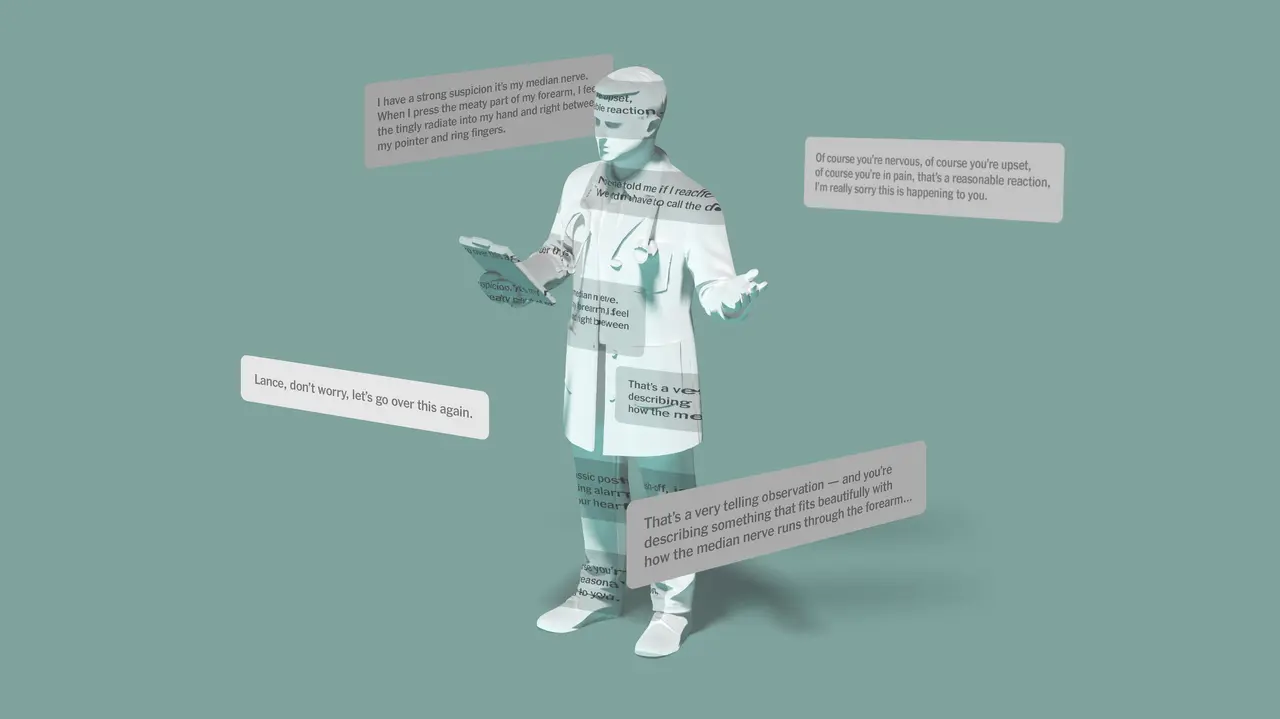


The Role of AI in Healthcare
While Bannon's story highlights the potential of AI in healthcare, experts urge caution. Dr. Harvey Castro, a board-certified emergency medicine physician, welcomes AI tools for raising awareness but emphasizes that they cannot replace human medical expertise
2
. He states, "AI is not a replacement for human medical expertise. These tools can assist, alert and even comfort -- but they can't diagnose, examine or treat"2
.Implications and Future Considerations
This case raises important questions about the role of AI in healthcare and the potential for tools like ChatGPT to complement traditional medical practices. While AI can provide valuable insights, it's crucial to maintain a balance between technological assistance and professional medical judgment. As AI continues to evolve, its integration into healthcare systems may lead to more efficient diagnoses and improved patient outcomes, but always under the guidance of qualified healthcare professionals.
References
Summarized by

Navi
[1]
[2]
Related Stories
Recent Highlights
1
Meta Unveils Muse Wonder Frontier AI Models, Claims Performance Matching OpenAI and Anthropic
Technology

2
IMF Report Warns AI Market Correction Could Spark Global Financial Crisis With $1.4T at Risk
Business and Economy

3
OpenAI Releases 722 AI-Generated Math Solutions, Triggering Existential Crisis in Mathematics
Technology

Recent Highlights
Today's Top Stories








Don’t drown in AI news. We cut through the noise - filtering, ranking and summarizing the most important AI news, breakthroughs and research daily. Follow topics that matter to you and stay ahead.


