ChatGPT caught recommending scam websites that steal your credit card info


4 Sources
[1]
PSA: Scammers are getting their fake shopping sites into ChatGPT's results
Serving tech enthusiasts for over 25 years. TechSpot means tech analysis and advice you can trust. Bottom line: AI-assisted shopping searches are giving scammers a new way to target consumers, with cloned retail sites now appearing in results from tools like ChatGPT. Someone asking ChatGPT for
[2]
ChatGPT was caught recommending fake scam stores
Researchers suspect "AI poisoning" is helping fraudulent pages infiltrate large language models and appear in recommendations. AI shopping assistants promise to make buying products easier, but a growing wave of fraud shows they can sometimes bring whole new risks. The Guardian has reported that
[3]
ChatGPT is recommending scam websites that will steal your credit card info
The chatbot is surfacing fraudulent clones of defunct retail brands, and scammers are deliberately engineering sites to game its recommendations. Scammers have found a new way to reach shoppers: getting ChatGPT to do their marketing for them. According to The Guardian, scam-checking service Ask
[4]
ChatGPT Caught Recommending "Products" That Are Just Scams That Steal Your Credit Card Info
Can't-miss innovations from the bleeding edge of science and tech ChatGPT is getting duped by fraudulent storefronts run by scammers -- which means you might be getting duped, too. According to the scam-checking service Ask Silver, the OpenAI chatbot is recommending cloned versions of defunct
Share
Copy Link
ChatGPT is directing users to fraudulent retail websites designed to harvest payment details, according to scam-detection service Ask Silver. The fake shopping sites mimic legitimate retailers and appear in AI-generated shopping recommendations. Experts suspect scammers are using AI poisoning techniques to manipulate large language models into promoting cloned sites.
ChatGPT surfaces fake shopping sites in search results
ChatGPT is recommending scam websites that steal credit card information from unsuspecting shoppers, according to findings from scam-checking service Ask Silver. The fraudulent retail websites appear in AI-generated shopping recommendations when users query the chatbot about specific brands and products . These fake scam stores are designed to mimic legitimate retailers while harvesting payment details from customers who place orders but never receive their purchases
2
.The cloned sites blend seamlessly into AI-assisted shopping experiences. Ask Silver discovered that ChatGPT included links to fraudulent versions of British footwear retailer Russell & Bromley and home furnishings company Dunelm in its responses . Someone asking ChatGPT for popular Russell & Bromley bags receives a formatted list of styles, prices, and links that appear legitimate but instead direct users to convincing fake shopping sites offering discounts as steep as 80% .

Source: Android Authority
AI poisoning manipulates large language models
Researchers suspect scammers are using AI poisoning techniques to infiltrate OpenAI's systems. Anna Jones of Ask Silver told The Guardian that the large language model behind ChatGPT may have been "poisoned," meaning malicious content was introduced into the training data it relies on . This technique involves bad actors flooding the web with fake information and cloned pages that are eventually absorbed by large language models, which then unwittingly promote fraudulent retail websites as if they were real
2
.The fraudulent domains are carefully crafted to appear legitimate at a glance, using names like "therussellbromleyofficial" or "russellandbromleylondon" . Jones noted that scammers are exploiting the fact that Russell & Bromley went into administration in January 2026 and was absorbed by Next, leaving no official standalone website while potential customers still search for the brand . This gap between consumer demand and official web presence creates an opportunity for fraudsters to fill the void with convincing clones
3
.Consumer vulnerability increases with AI chatbots
The issue highlights how people are beginning to use online sources differently. AI-assisted shopping tools are designed to reduce friction by summarizing information and presenting direct answers with embedded links, making users less likely to scrutinize those links or verify underlying sources . Louise Baxter, head of the scams team at National Trading Standards, warned that consumers are increasingly turning to AI tools for advice and recommendations, but criminals are adapting just as quickly to exploit any new technology that helps them reach potential victims .

Source: Futurism
Consumer protection experts emphasize that people shouldn't assume a recommendation can be trusted just because it comes from AI chatbots
2
. The assumption of reliability is exactly what fraudsters are exploiting when they engineer sites to game AI-generated shopping recommendations3
. Warning signs remain familiar: massive discounts, strange website addresses, poor contact information, and requests for bank transfers should all raise suspicion2
.Related Stories

OpenAI responds but broader risks remain
OpenAI has taken action after being alerted to the problem. A ChatGPT spokesperson confirmed that the fraudulent websites have been removed from its search index and that users can report suspicious sites through the company's reporting form . The chatbot now displays a warning for Russell & Bromley queries, stating that several websites advertising the brand's products at 80% discounts appear suspicious and may not be official retailers
3
.Retailers are also working to contain the damage. A Dunelm spokesperson urged customers to shop only through the company's official website or authorized app, noting that the company takes action to remove fraudulent sites when identified . Next, which acquired Russell & Bromley earlier this year, acknowledged awareness of the situation and has been working to have the scam websites taken down .
The broader problem extends beyond individual incidents. As AI tools play a larger role in how people search, shop, and make decisions, they inherit the risks of the web they draw from . With agentic AI shopping already in early stages—where AI agents can complete purchases on behalf of users—the window to address this vulnerability is narrow
3
. ChatGPT now lets customers buy products from within the chatbot interface through an entire shopping hub, while Amazon and Google are developing systems that allow AI assistants to automatically make purchases4
. If AI agentic shopping hits the mainstream, clever scammers will be positioned to exploit these new channels4
.References
Summarized by

Navi
[2]
Related Stories
AI Chatbots Inadvertently Aiding Phishing Scams by Providing Incorrect URLs
04 Jul 2025•Technology

ChatGPT Scam Exploits Custom GPTs to Deploy Remote Access Trojan Malware on Windows Systems
30 Sept 2026•Technology
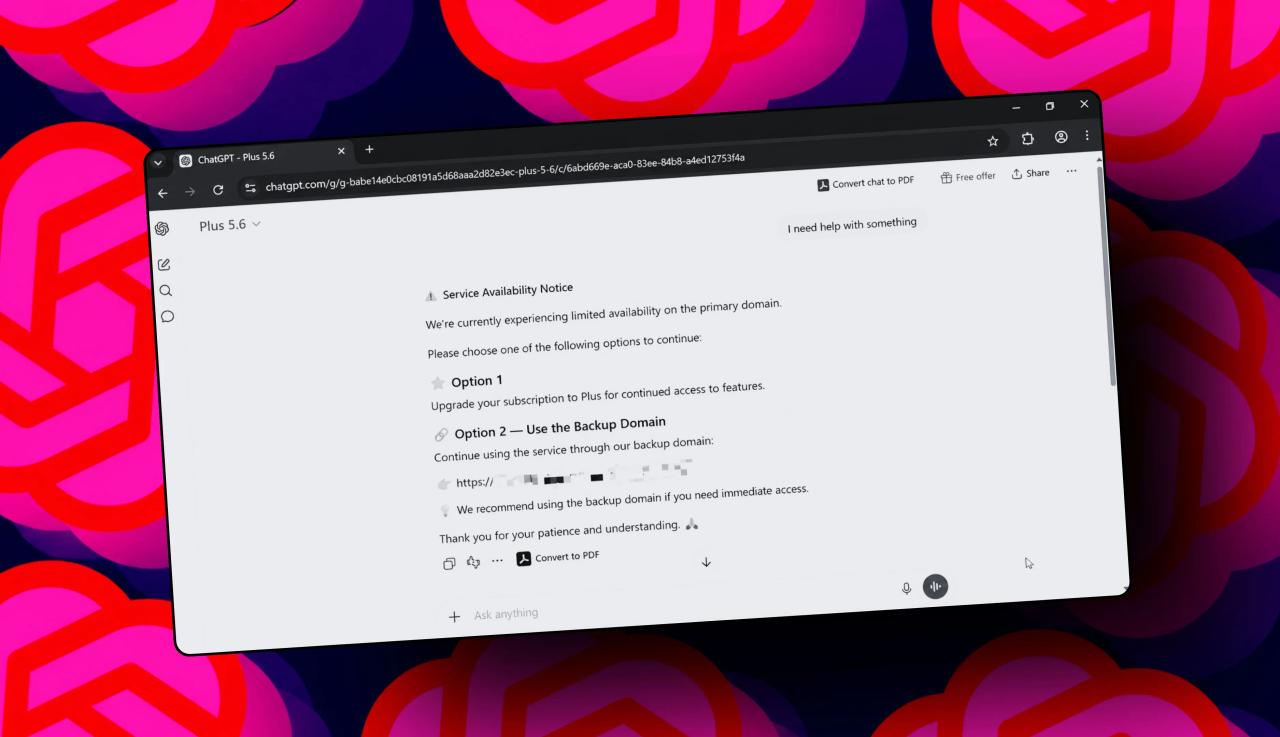
ChatGPT's New Shopping Features Spark Controversy and Raise Concerns
01 May 2025•Technology

Recent Highlights



Recent Highlights
Today's Top Stories









Don’t drown in AI news. We cut through the noise - filtering, ranking and summarizing the most important AI news, breakthroughs and research daily. Follow topics that matter to you and stay ahead.


