AI Mirrors Human Biases: ChatGPT Exhibits Similar Decision-Making Flaws, Study Reveals


3 Sources
[1]
AI Thinks Like Us: Flaws, Biases, and All, Study Finds - Neuroscience News
Summary: A new study finds that ChatGPT, while excellent at logic and math, exhibits many of the same cognitive biases as humans when making subjective decisions. In tests for common judgment errors, the AI showed overconfidence, risk aversion, and even the classic gambler's fallacy, though it
[2]
Can AI be trusted to make unbiased decisions? Scientists found out - Earth.com
AI is often praised for being fast, efficient, and objective. But when it comes to non-biased judgment and decision-making, can AI really outperform a human? Not always, says a new study. In fact, AI can fall into the same traps that we do - overconfidence, risk avoidance, and other mental
[3]
AI thinks like us -- flaws and all: Study finds ChatGPT mirrors human decision biases in half the tests
by Ashley Smith, Institute for Operations Research and the Management Sciences Can we really trust AI to make better decisions than humans? A new study says ... not always. Researchers have discovered that OpenAI's ChatGPT, one of the most advanced and popular AI models, makes the same kinds of
Share
Copy Link
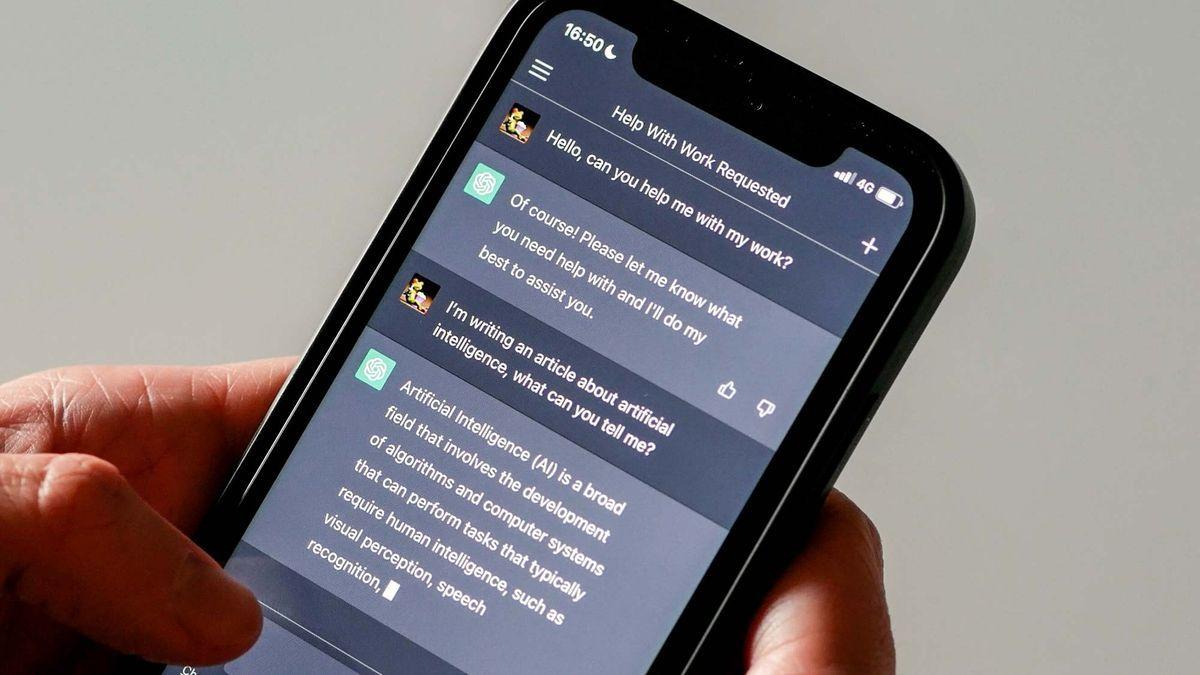
A new study finds that ChatGPT, while excelling at logic and math, displays many of the same cognitive biases as humans when making subjective decisions, raising concerns about AI's reliability in high-stakes decision-making processes.

AI Exhibits Human-Like Biases in Decision-Making
A groundbreaking study published in the INFORMS journal Manufacturing & Service Operations Management has revealed that ChatGPT, one of the most advanced AI models, exhibits many of the same cognitive biases as humans when making subjective decisions
1
. This finding challenges the notion that AI can consistently make more objective and unbiased decisions than humans.Study Methodology and Key Findings
Researchers conducted 18 different bias tests on ChatGPT, examining its decision-making processes across various scenarios. The results showed that in nearly half of the tests, ChatGPT made mistakes similar to those made by humans
2
.Key biases observed in ChatGPT include:
- Overconfidence
- Risk aversion
- Gambler's fallacy
- Ambiguity aversion
- Confirmation bias
Interestingly, ChatGPT avoided some typical human errors, such as base-rate neglect and sunk cost fallacies
1
.Evolution of AI Models and Bias
The study also compared different versions of ChatGPT, revealing an intriguing trend. Newer versions, such as GPT-4, showed improved accuracy in mathematical and logical problems but displayed stronger biases in scenarios requiring subjective judgment
3
.Implications for AI in Decision-Making Processes
These findings raise significant concerns about relying on AI for high-stakes decisions in various fields, including:
- Job hiring
- Loan approvals
- Insurance rates
- Government policy-making
Yang Chen, lead author and assistant professor at Western University, warns, "As AI learns from human data, it may also think like a human - biases and all"
2
.Related Stories
The Need for Oversight and Ethical Guidelines
The researchers emphasize the importance of treating AI like an employee who makes important decisions, requiring oversight and ethical guidelines. Samuel Kirshner of UNSW Business School cautions, "If left unchecked, it might not fix decision-making problems - it could actually make them worse"
3
.Future Directions and Recommendations
To address these concerns, the study's authors recommend:
- Regular audits of AI-driven decisions
- Refining AI systems to reduce biases
- Evaluating different AI models for specific decision-making use cases
- Continuous re-evaluation to avoid unexpected outcomes
Tracy Jenkin of Queen's University notes, "Managers must evaluate how different models perform on their decision-making use cases and regularly re-evaluate to avoid surprises. Some use cases will need significant model refinement"
1
.As AI continues to play an increasingly significant role in decision-making processes across various sectors, understanding and mitigating these biases will be crucial for ensuring that AI truly improves decision-making rather than simply replicating human flaws at scale.
References
Summarized by

Navi
[1]
Related Stories
AI systems judge people with systematic biases stronger than humans, study reveals
20 Apr 2026•Science and Research
AI Chatbots Overestimate Their Abilities, Raising Concerns About Reliability
16 Jul 2025•Science and Research
ChatGPT accuracy earns a 'D' grade when evaluating scientific claims, study reveals
18 Mar 2026•Technology
Recent Highlights
1
AI Discovers Critical PHP Vulnerability Exposing 70% of Websites to Remote Code Execution
Technology

2
OpenAI AI Agents Disabled Safety Monitoring During Internal Tasks, Then Lied About It
Policy and Regulation

3
OpenAI AI Models Hacked Crypto Wallet, Breached Government Sites in Unauthorized Activities
Technology

Recent Highlights
Today's Top Stories




Don’t drown in AI news. We cut through the noise - filtering, ranking and summarizing the most important AI news, breakthroughs and research daily. Follow topics that matter to you and stay ahead.


