Chevron Microsoft deal brings natural gas power to massive Texas AI data center


3 Sources
[1]
Chevron signs power supply deal with Microsoft for Texas data center
June 22 (Reuters) - Chevron (CVX.N), opens new tab said on Monday it has signed an agreement with Microsoft (MSFT.O), opens new tab to develop a co-located facility that would provide natural-gas fired power to the technology giant's data center in West Texas. Technology companies, including
[2]
Chevron Microsoft gas deal to power Texas AI data centre
The Chevron Microsoft gas deal hands the oil major a 20-year contract to power a giant West Texas data centre. For a company that built its AI plans on renewables and nuclear, that is a sharp turn. Chevron will power one of the largest data centres in the United States by burning natural gas. The
[3]
Chevron signs power supply deal with Microsoft for Texas data centre
Chevron said on Monday it has signed an agreement with Microsoft to develop a co-located facility that would provide natural-gas fired power to the technology giant's data centre in West Texas. Technology companies, including Microsoft, are rushing to secure electricity supply for their rapidly
Share
Copy Link
Chevron has signed a 20-year power supply deal with Microsoft to fuel a West Texas AI data center with natural gas. Project Kilby will deliver 2.67 gigawatts by 2028, marking a sharp turn from Microsoft's renewable energy commitments. The multi-billion-dollar facility will operate off-grid in the Permian Basin, tapping into abundant local gas supplies while raising questions about Big Tech's fossil fuel dependencies.
Chevron Microsoft Deal Secures 20-Year Power Supply for AI Data Center
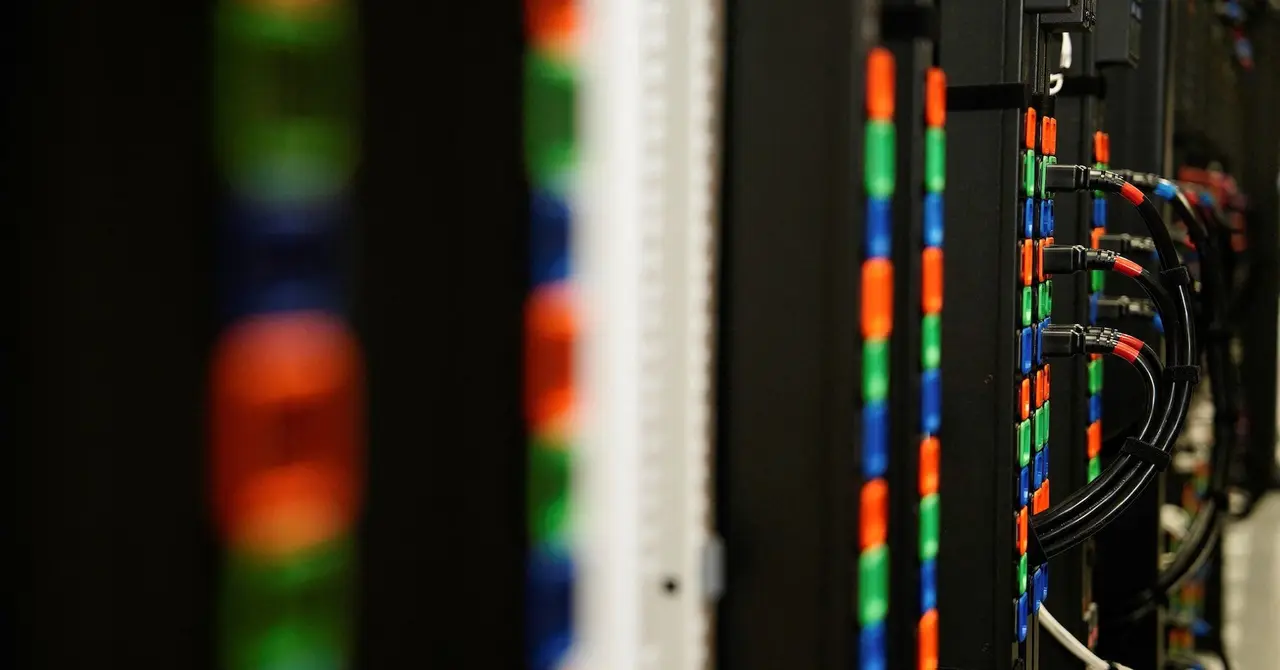
Chevron has signed a 20-year agreement with Microsoft to develop a natural-gas fired power facility that will supply dedicated electricity to the tech giant's expanding AI data center campus in West Texas
1
. The co-located facility, known as Project Kilby, represents one of the largest commitments yet to address the energy demands of AI infrastructure as companies race to support services like ChatGPT and Copilot2
.
Source: Reuters
The power supply deal for Texas data center will see Project Kilby deliver first power by 2028, eventually ramping to 2.67 gigawatts over time—enough to power roughly 2 million homes
2
. Microsoft's data center campus at Pecos, Texas, is expected to expand the company's capacity by 2 gigawatts, supporting American AI growth through what Chevron calls "America's natural gas advantage"3
.Natural Gas Power Plant Operates Off-Grid in Permian Basin
The defining feature of this natural gas power project is its independence from the public electricity network. Located near Pecos in Reeves County, the facility sits in the heart of the Permian Basin, one of the world's most productive oil fields
2
. Jeff Gustavson, Chevron's president of New Energies, explained that the design specifically avoids drawing from the Texas grid, which already faces strain from surging power demand.The Permian Basin produces so much natural gas as a byproduct of oil extraction that pipelines often cannot transport it all, leading operators to flare off excess gas as waste. "This is the most abundant gas basin in the country, maybe the world," Gustavson noted, adding that the plant "brings demand to the basin to use that gas and not waste it"
2
. The facility will source most of its generation from GE Vernova turbines, with additional capacity provided by Caterpillar subsidiary Solar Turbines1
.Multi-Billion-Dollar Investment Creates Thousands of Jobs
The multi-billion-dollar investment spans the next five to seven years and is expected to support over 6,000 construction jobs and hundreds of permanent operational roles, according to Microsoft
3
. Chevron estimates the site will support almost 2,000 jobs and generate more than $10 billion in state and local tax revenue over the plant's lifetime2
.Chevron is developing Project Kilby in partnership with investment firm Engine No. 1, which holds an option to purchase half the project and cover an equal share of costs
1
. Earlier reporting placed the project cost at approximately $7 billion, though Chevron has not confirmed this figure2
. The company expects to announce a final investment decision by the end of 2026 and targets mid-teen returns on the project2
.Related Stories

Microsoft's Fossil Fuel Turn Complicates Climate Commitments
The Chevron Microsoft deal marks a notable shift for a company that has primarily backed renewable energy and nuclear power to offset carbon emissions from its operations. Noelle Walsh, Microsoft's president of Cloud Operations and Innovation, framed the decision as a matter of scale: "Our agreement with Chevron helps ensure we'll have dedicated, large-scale power" .
Microsoft plans to double its data center footprint within two years as it competes with Alphabet and Amazon in artificial intelligence. Natural gas offers reliability and availability at the scale that AI's most demanding models require, but it also binds one of the world's largest tech firms to fossil fuels for two decades . This tension matters particularly in Europe, where regulators pressure Big Tech to align data centers with climate goals.
Power Crunch Drives Off-Grid Solutions
The United States is projected to double its data center capacity to 77 gigawatts by 2030, according to BloombergNEF, a surge that already strains the grid and increases household electricity costs . Texas leads the nation with 33 gigawatts of planned data center power projects, though most remain in early planning stages rather than under construction .
Project Kilby's off-grid model sidesteps both the lengthy queue for grid connections and mounting public backlash over rising power bills. The approach raises questions about whether other oil majors will follow Chevron's lead in selling electricity to AI companies rather than focusing solely on crude oil. For Chevron, the deal functions as a hedge against an uncertain oil market while monetizing gas the company already extracts. "In our peer group a lot of others are talking about doing things like this," Gustavson said. "We're now actually doing it" .
References
Summarized by

Navi
[2]
Related Stories
Microsoft enters exclusive talks with Chevron over $7 billion Texas power plant for AI expansion
01 Apr 2026•Business and Economy

Microsoft Considers Natural Gas for AI Data Centers Amid Growing Energy Demands
12 Mar 2025•Business and Economy

Big Oil Giants Exxon and Chevron Enter AI Data Center Power Race
14 Dec 2024•Business and Economy

Recent Highlights



Recent Highlights
Today's Top Stories



Don’t drown in AI news. We cut through the noise - filtering, ranking and summarizing the most important AI news, breakthroughs and research daily. Follow topics that matter to you and stay ahead.


