China Expands Travel Restrictions on AI Experts at Private Firms Including Alibaba and DeepSeek


5 Sources
[1]
China is increasingly keeping its best AI talent to itself | TechCrunch
For China's top AI researchers, the borders are quickly closing. Researchers, startup founders and executives at private firms are now reportedly subject to travel restrictions, with some of the industry's most prominent figures required to seek government approval before heading abroad. The
[2]
Chinese AI experts in private firms now required to secure approval before international travel -- Beijing enforces policy to secure top-tier talent, expands measures beyond government
Some Chinese AI industry leaders must get the green light from Beijing before they can take that international vacation. China now requires people working in AI at private firms to secure travel approval before leaving the country. According to Bloomberg, the restrictions apply to individuals
[3]
China restricts overseas travel for top AI talent at Alibaba and DeepSeek, Bloomberg News reports
May 26 (Reuters) - China is restricting overseas travel for top professionals involved in advanced and strategically important AI work at firms like Alibaba Group Holding (9988.HK), opens new tab and DeepSeek, Bloomberg News reported on Tuesday, citing people familiar with the matter. The
[4]
China extends AI travel curbs from DeepSeek to other private firms
The first publicly reported case came in March, when DeepSeek staff began surrendering passports shortly after the lab's R1 model briefly upended assumptions about how much compute Chinese frontier labs needed to match Silicon Valley benchmarks. The Wall Street Journal reported around the same
[5]

China Imposes Travel Limits on AI Workers at Private Firms: Report - Decrypt
Talent mobility in the country is becoming a national security variable, Decrypt was told. China is reportedly requiring some senior AI workers at private firms including Alibaba and DeepSeek to obtain approval before traveling abroad, tightening state control over a key part of the country's
Share
Copy Link
China now requires AI experts at private firms to secure government approval before traveling abroad. The restrictions target startup founders, researchers, and executives at companies like Alibaba and DeepSeek, marking an expansion beyond state institutions. Beijing aims to prevent intellectual property leakage as the performance gap with U.S. AI models shrinks to just 2.7%.
China AI Talent Faces New Travel Barriers
China has extended travel restrictions to AI experts working at private firms, requiring them to obtain government approval before leaving the country. The policy affects startup founders, researchers, and executives at companies including Alibaba and DeepSeek, according to reports from Bloomberg and other outlets
3
. This marks a significant expansion of Beijing's control over China AI talent, moving beyond previous restrictions that primarily targeted researchers at public educational institutions and state-owned enterprises.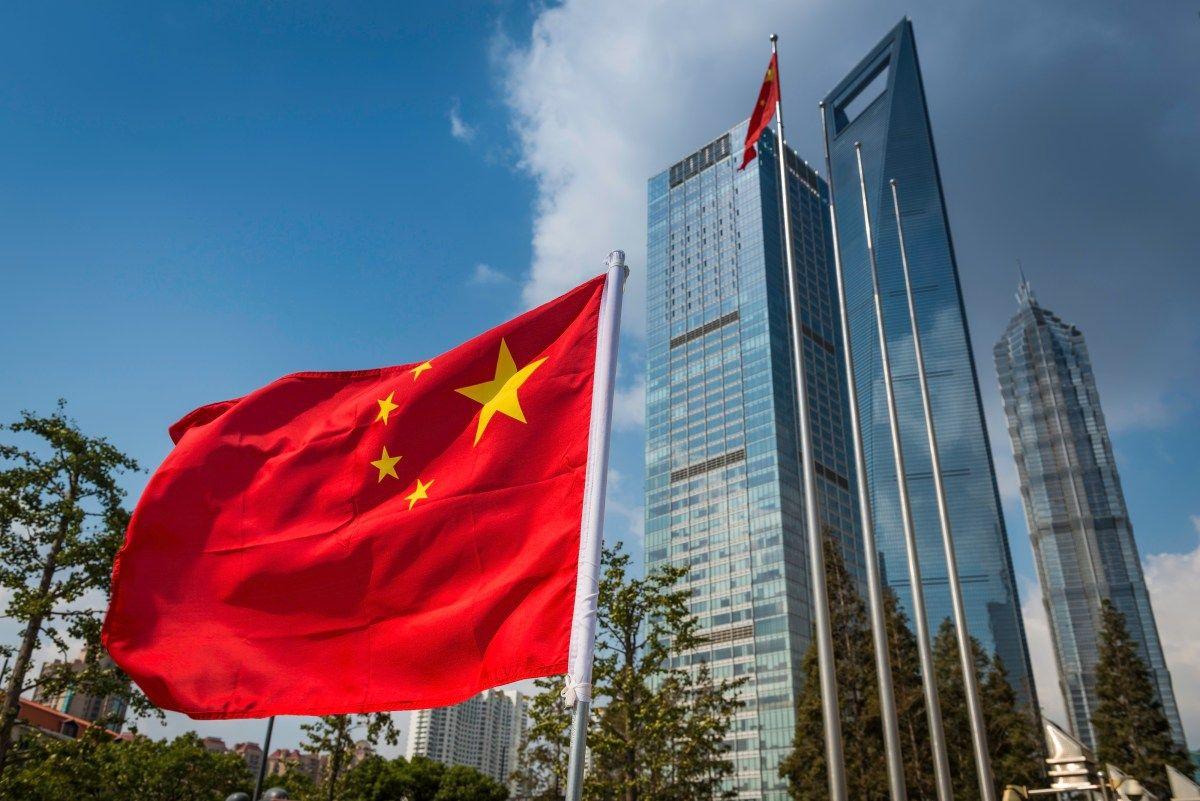
Source: TechCrunch
The individuals added to the restricted list are assessed based on their impact on China's AI ambitions rather than their job titles or employer type
2
. While there's no official guidance yet on which specific roles or expertise levels qualify, sources indicate the policy targets those considered strategically important to the nation's technological advancement. Some Chinese AI experts had previously been required to report overseas travel plans, but mandatory approval represents a more restrictive approach to securing top-tier talent.Strategic Response to Narrowing Technology Gap
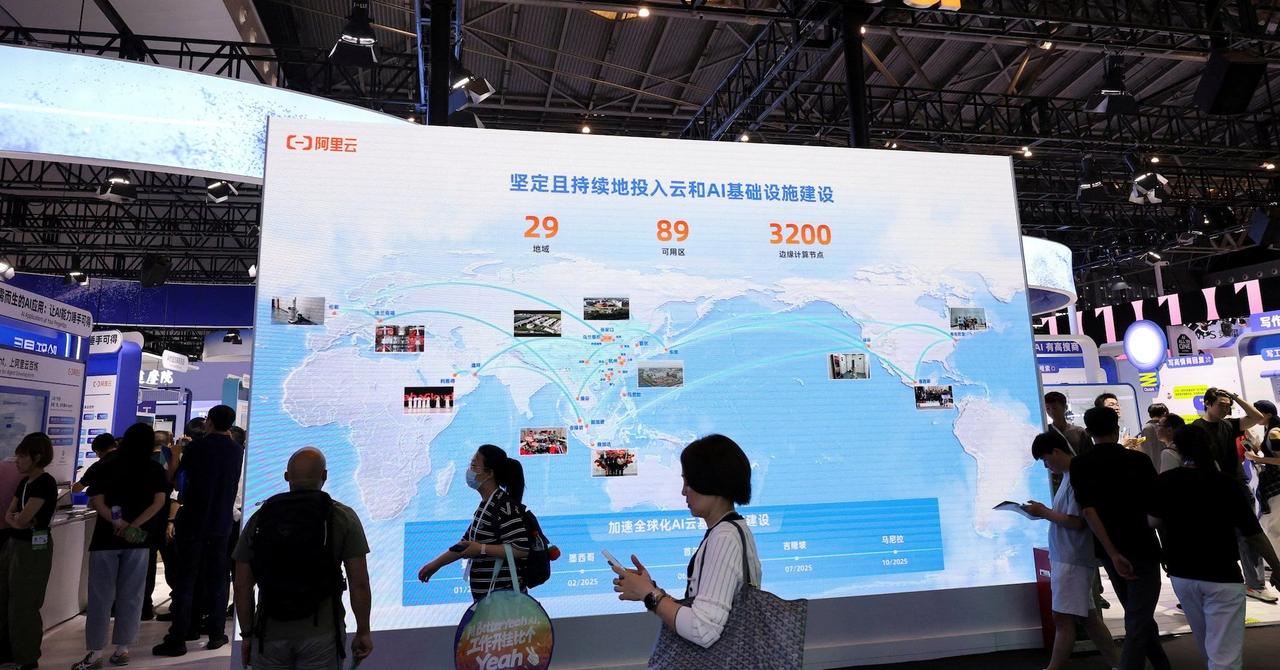
The travel curbs for AI talent arrive as China closes the performance gap with American AI labs at an unprecedented pace. Stanford's 2026 AI Index reveals the gap between top U.S. and Chinese AI models had shrunk to just 2.7% as of March 2026, down dramatically from about 31% in 2023
1
. China now files 69.7% of global AI patents and produces 23.2% of global AI publications, demonstrating rapid advancement in the sector4
.
Source: Reuters
Beijing's concerns about intellectual property leakage intensified following Meta's $2 billion acquisition of Manus AI, a Chinese startup that had relocated to Singapore. China has barred Manus' two co-founders from leaving the country while regulators investigate whether the deal violates foreign investment rules
1
. The co-founders are now exploring options to unwind the deal, including raising approximately $1 billion from external investors to buy back the company from Meta.Broader State Control Over Technology Sector
The restrictions on Chinese AI experts represent just one component of Beijing's comprehensive strategy to maintain control over its technology sector. In late April, China's National Development and Reform Commission instructed leading AI firms, including Moonshot AI, StepFun, and ByteDance, to reject U.S.-origin capital in upcoming funding rounds unless they receive prior government clearance
1
4
. Several Chinese AI startups are now considering reincorporating from overseas jurisdictions back into mainland China after Beijing signaled that offshore-incorporated entities will face harder domestic IPO approvals.The first publicly reported case of passport surrender came in March when DeepSeek staff began turning in their travel documents shortly after the lab's R1 model demonstrated that Chinese frontier labs could match Silicon Valley benchmarks with less compute power
4
. Around the same time, the Wall Street Journal reported that Chinese authorities had begun warning top AI entrepreneurs against U.S. travel, citing fears that researchers could leak sensitive technical information abroad or that American companies could acquire valuable intellectual property.Related Stories

National Security Calculus and Talent Mobility
For frontier AI researchers at private firms, talent mobility has become part of the state's national security calculus. Joshua Chu, lawyer and co-chair of the Hong Kong Web3 Association, explained that passports and conference schedules are now treated as "national security variables" when Beijing worries about technology leakage
5
. This approach blurs the line between private enterprise and state control, recasting the bargain for talent returning to China.The policy complicates China's "reverse brain drain" narrative, which has framed returning chip and AI researchers as proof that Beijing can attract elite talent with money, titles, and prestige
5
. AI-talent migration to the U.S. has already dropped 89% since 2017, while a wider return flow of Chinese scientists and engineers in AI and semiconductors has accelerated4
.Implications for International Collaboration
The travel restrictions complicate international collaboration that has historically strengthened Chinese academic AI work. American AI tech companies have been spending billions to acquire talent, with Meta offering $100 million bonuses and even larger salaries to hire experts from other companies
2
. However, the policy may discourage Chinese talent based abroad from returning home and could force domestic AI engineers with aspirations of working internationally to leave earlier, before they're added to the restricted list.
Source: Decrypt
China restricts overseas travel as part of escalating economic countermeasures that include two rounds of export controls on 14 rare earth materials critical to high-tech military manufacturing in 2025, and a separate ban preventing state-funded data centers from deploying foreign AI chips
1
. The travel controls are easier to impose than to enforce, particularly as the affected population grows from a handful of DeepSeek staff to potentially thousands of researchers across the wider Chinese AI ecosystem. Whether private-sector researchers will accept this trade-off remains to be tested, as the policy represents what some observers describe as an informal exit ban applied without judicial review4
.References
Summarized by

Navi
[3]
Related Stories
China extends AI travel curbs to spouses and children of top tech executives
28 Sept 2026•Policy and Regulation

China Urges AI Leaders to Avoid US Travel Amid Security Concerns
01 Mar 2025•Policy and Regulation

China weighs export controls on AI models and chips to prevent Western acquisition
21 Jul 2026•Policy and Regulation
Recent Highlights
1
Microsoft and Nvidia Launch Surface Laptop Ultra: A $2,599 AI-Ready PC With RTX Spark Chip
Technology

2
Meta Muse AI Agent Surges to 6.6M Downloads Despite Privacy and Security Controversies
Technology
3
Scientists Build AI Model That Reconstructs Images From Brain Scans in Record Time
Science and Research

Recent Highlights
Today's Top Stories











Don’t drown in AI news. We cut through the noise - filtering, ranking and summarizing the most important AI news, breakthroughs and research daily. Follow topics that matter to you and stay ahead.


