China expands trade secret rules to shield AI algorithms and data from foreign access


2 Sources
[1]
New trade secret rules: China says its AI data is none of your business
Under new Chinese regulations, any algorithm, dataset or program not publicly disclosed now counts as a trade secret. Algorithms and computer programmes are now considered trade secrets by the Chinese government. The new regulations, called "Trade Secret Protection," went into effect on Monday.
[2]
China adds data and AI to trade secret rules to block leaks
Effective Monday, the Regulations on Trade Secret Protection mark the first time Chinese law protects such digital assets as proprietary secrets, according to state broadcaster China Central Television. China expanded its trade secret rules to include data and algorithms, as Beijing steps up
Share
Copy Link
China implemented sweeping trade secret regulations that classify algorithms, datasets, and AI programs as proprietary secrets for the first time. The rules impose strict security requirements on remote work and cross-border collaboration, with fines up to €630,000 for violations. The move comes as Beijing intensifies efforts to prevent technology leaks and protect domestic innovation amid strategic competition with the US.
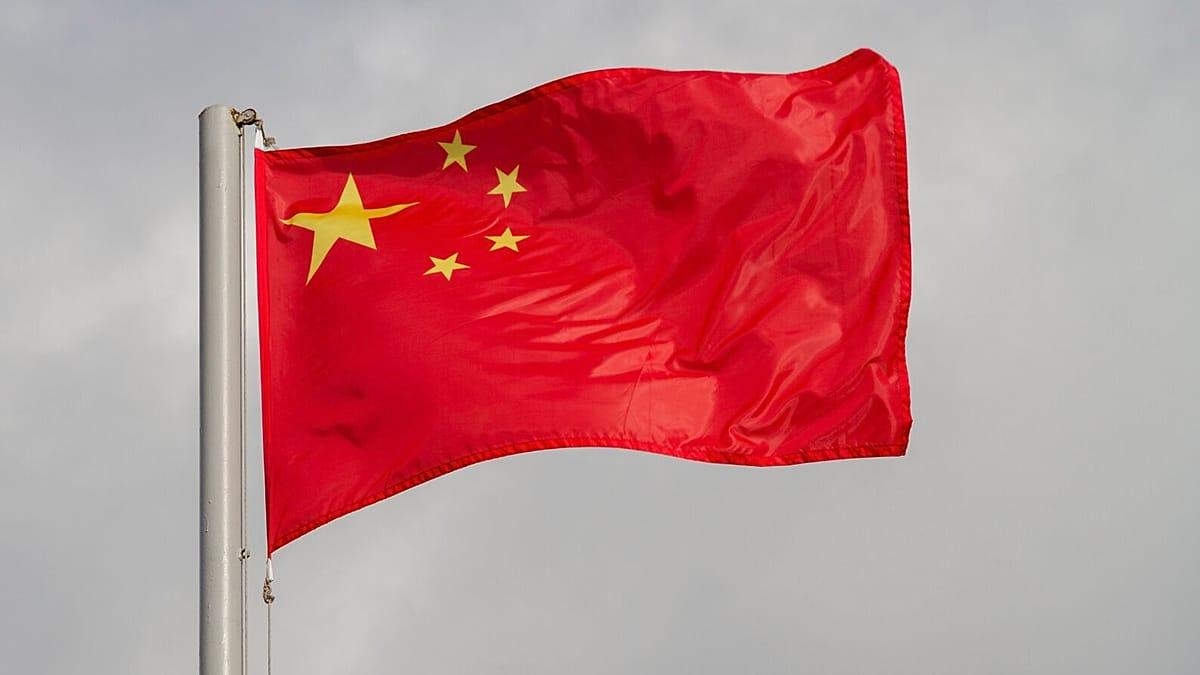
China Trade Secret Rules Expand to Cover AI and Data
China has implemented comprehensive new trade secret protection regulations that explicitly classify algorithms, datasets, and computer programs as proprietary secrets for the first time in Chinese law. The Regulations on Trade Secret Protection, which took effect on Monday, represent the first major update to China's trade secrets framework since 1998 and mark a significant escalation in Beijing's efforts to prevent technology leaks
1
2
.Under the new framework, any information related to technology—including structure, raw materials, formulas, materials, samples, patterns, processes, methods, data, algorithms, computer programs, and codes—now qualifies as a trade secret, provided it is not publicly known, has commercial value, and remains confidential
1
. Information already described in media reports or open documentation falls outside the regulation's scope.Safeguarding AI Advancements Through Strict Security Measures
The new trade secret protection regulations impose stringent security requirements for remote work security requirements and cross-border collaboration security. Companies operating in China must now implement protective measures including access controls that limit file access by employee rank, data anonymization to mask personally identifiable information, and detailed logs tracking who has accessed, copied, or modified sensitive data
1
2
.The State Administration for Market Regulation (SAMR) has launched a month-long enforcement campaign focusing on key sectors including biomedicine, semiconductors, and AI. The agency has vowed to crack down on "malicious poaching" and employees who change jobs while carrying trade secrets. Individuals and companies can report suspected violations, and confirmed breaches could result in fines up to 5 million yuan (€630,000)
1
2
.Shielding Key Technologies Amid Strategic Competition
The regulations represent Beijing's latest move in shielding key technologies as strategic competition with the United States intensifies. The People's Daily, the ruling Communist Party's flagship newspaper, praised the measures for adapting to the digital era, noting that "digital assets such as data, algorithms, computer programs, and code have become core trade secrets for enterprises"
2
.The rules also target infringement on trade secrets committed outside the country, though enforcement mechanisms remain unspecified. This extraterritorial reach signals Beijing's determination to protect domestic innovation as China climbs the global value chain
2
.Related Stories

Preventing Technology Leaks Through Multiple Channels
China has deployed multiple strategies for preventing technology leaks beyond the new regulations. In April, Beijing ordered Meta Platforms Inc. to unwind its $2 billion acquisition of agentic AI startup Manus, which started in China but relocated to Singapore. The government is also restricting overseas travel for AI talent at private firms such as Alibaba Group and DeepSeek
2
.Concurrently with the trade secret rules, China's cabinet released separate regulations to strengthen oversight of outbound investment. These rules prohibit domestic investors from transferring restricted goods, technology, or data overseas without prior approval, and ban companies from providing technical training that facilitates foreign acquisitions of sensitive capabilities
2
.AI and Data Protection as Economic Priority
The Chinese state is conducting an "Enterprise Trade Secret Protection Capacity Enhancement Service" throughout June, a program it has run annually since 2023. During this month, authorities will hold business trainings to "cultivate awareness" of the new regulations and conduct risk assessments with companies
1
.According to state broadcaster China Central Television, this marks the first time Chinese law protects digital assets such as algorithms and datasets as proprietary secrets, underscoring Beijing's recognition that AI and data protection have become critical to maintaining competitive advantages in the digital economy
2
. The legal push reflects broader efforts to lock down domestic innovation as China positions itself as a global technology leader.References
Summarized by

Navi
Related Stories
China enforces national security rules on overseas investments amid intensifying tech competition
01 Jul 2026•Policy and Regulation
China weighs export controls on AI models and chips to prevent Western acquisition
21 Jul 2026•Policy and Regulation
China formalizes sweeping overseas investment rules after blocking $2 billion Meta-Manus deal
01 Jun 2026•Policy and Regulation

Recent Highlights
1
Microsoft and Nvidia Launch Surface Laptop Ultra: A $2,599 AI-Ready PC With RTX Spark Chip
Technology

2
Meta Muse AI Agent Surges to 6.6M Downloads Despite Privacy and Security Controversies
Technology
3
Scientists Build AI Model That Reconstructs Images From Brain Scans in Record Time
Science and Research

Recent Highlights
Today's Top Stories









Don’t drown in AI news. We cut through the noise - filtering, ranking and summarizing the most important AI news, breakthroughs and research daily. Follow topics that matter to you and stay ahead.


