China's spy agency has spent two years hunting AI chips


2 Sources
[1]
China's Spies Set Sights on A.I. Chips Years Before Nvidia Scandal
China's espionage agency has been running a secret campaign to help the country's companies acquire advanced A.I. chips and to gather intelligence on the sector, officials say. When China's top espionage agency updated its priorities this year, it added a revealing goal: overcoming Western
[2]
China's spies set sights on AI chips years before Nvidia scandal: Report
China's Ministry of State Security has reportedly been running a secret campaign to acquire advanced AI chips. This initiative aims to overcome Western export restrictions and achieve technological self-reliance. A dedicated working group has been established to assist Chinese companies in
Share
Copy Link
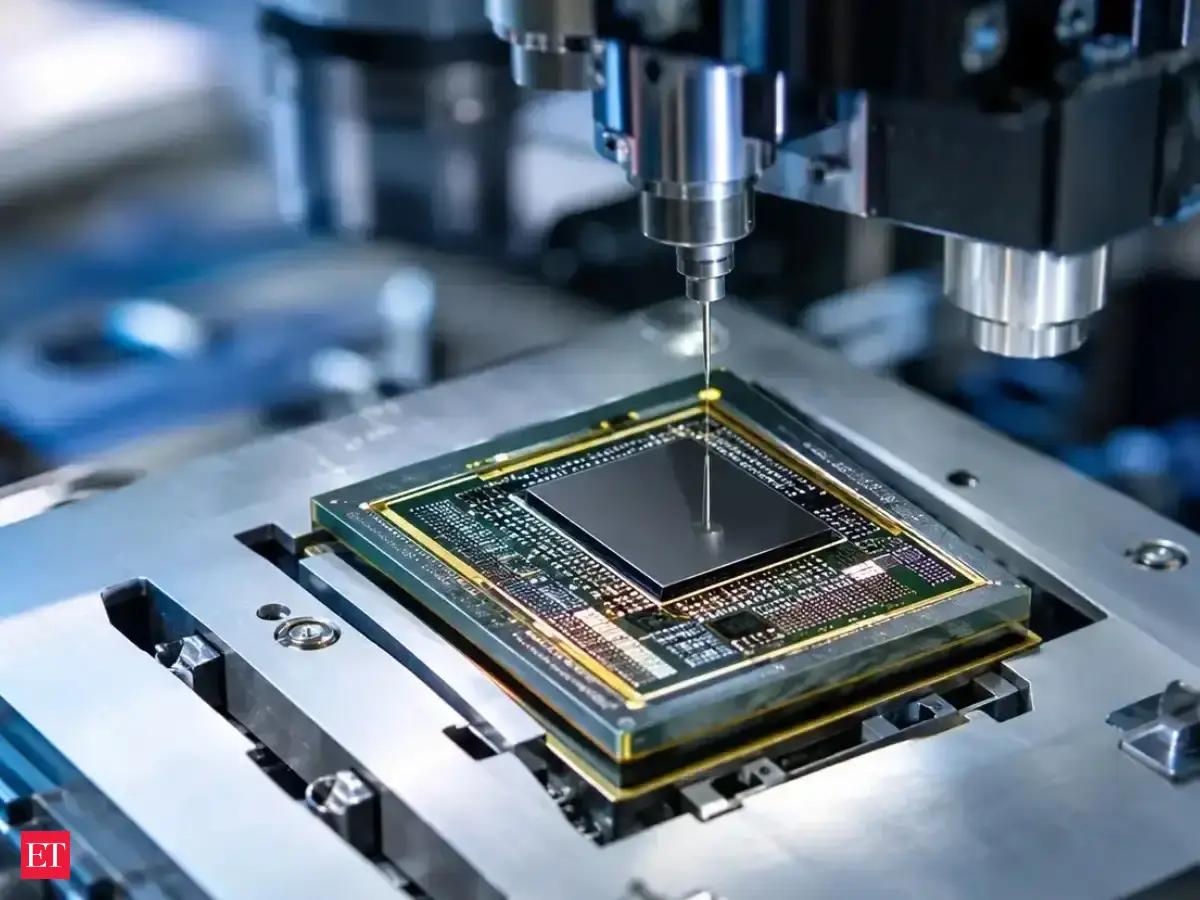
China's Ministry of State Security has run a secret campaign, at least two years long, to help domestic companies obtain advanced AI chips and collect intelligence on the semiconductor industry, per a New York Times investigation citing serving and former officials from multiple governments
1
2
.
Source: ET
Organized at the top
The campaign is not ad hoc. The agency created a dedicated working group under Chen Yixin, its chief, which reports directly to him
2
. Its job is helping Chinese companies obtain and smuggle advanced chips and collecting intelligence on semiconductor supply chains2
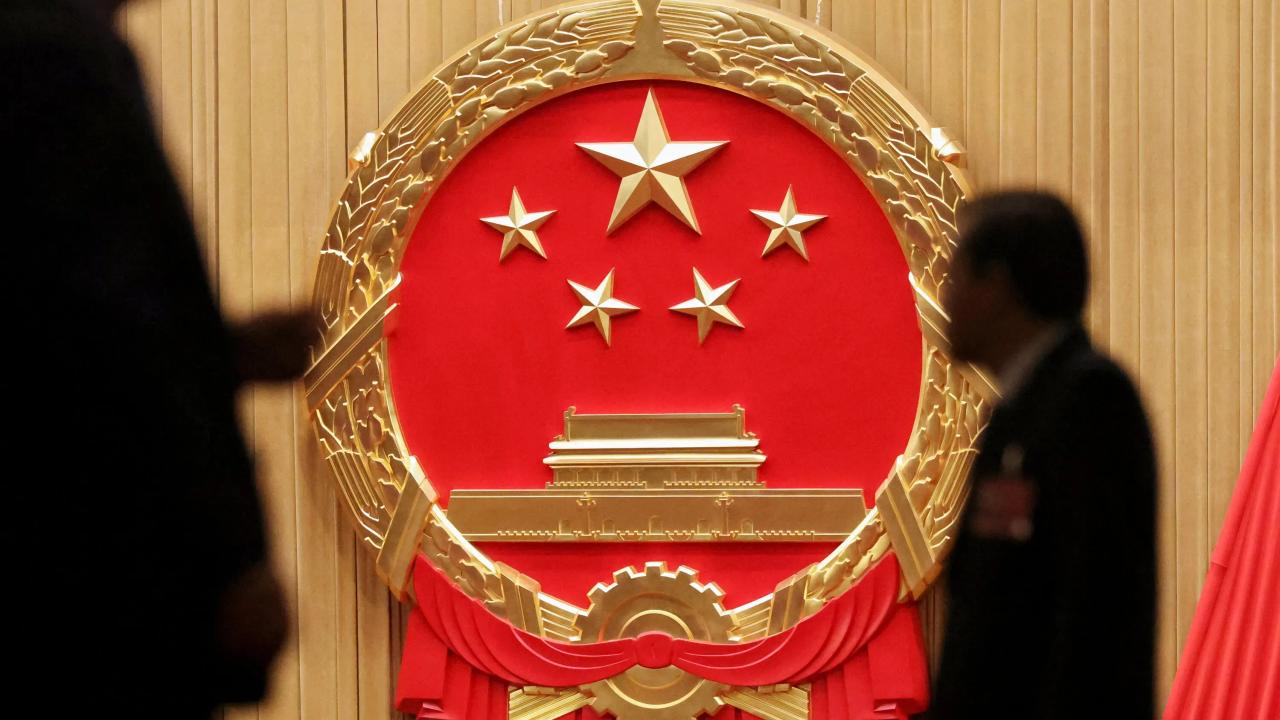
. The stated aim, per Xi Jinping's January remarks to the Politburo and a speech Chen gave in April, is overcoming Western technology blockades and achieving self-reliance. In January, Xi called for "extraordinary measures to intensify the drive for core technologies in priority sectors"1
. He also said, "as swiftly as possible, solve the 'chokehold' problems holding back development of future industries"1
.
Source: NYT
Xi set up the Central Science and Technology Commission in 2023 to speed up that self-reliance push, and the New York Times places the spy effort inside the strategy it coordinates
2
. The push began against the backdrop of US export controls introduced in late 2022, which barred advanced Nvidia chips from China over concerns about military and intelligence applications2
.For the ministry, this is a change of job. The agency has historically focused on eliminating threats to Communist Party rule, as the New York Times describes it. Chasing chips is a departure from that focus
1
.The case that surfaced it
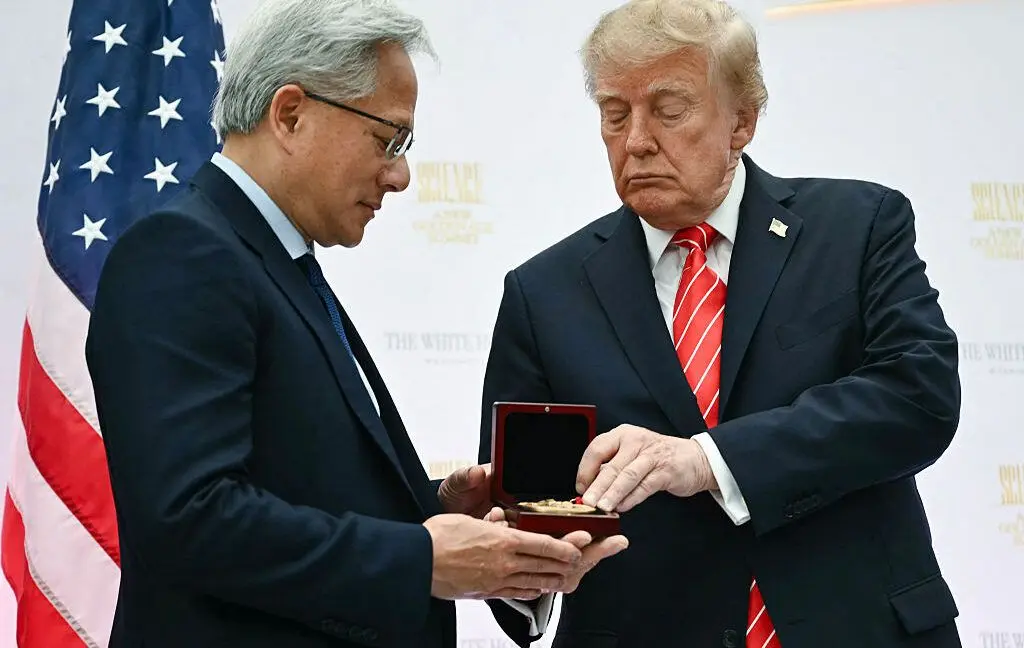
The individual case that brought the broader campaign to light involves Alice Huang, a Chinese businesswoman and founder of Singapore-based Megaspeed. According to the New York Times, US officials say she worked with the agency to spy on Nvidia chief executive Jensen Huang
1
2
. Megaspeed bought billions of dollars of Nvidia chips and supplied computing capacity to Chinese companies via overseas data centres, which could have let them get around US export restrictions2
.The allegations are just that. Huang has not replied to requests for comment, and China calls the claims "pure fabrication"
1
2
. The campaign's details rest on claims by unnamed serving and former officials outside China.Related Stories

Washington's answer
The Trump administration on Monday announced a licensing rule for overseas data centres
2
. Before they can supply sizeable computing capacity to companies based in China, Russia and Iran, the centres will need government licences2
. Per the report, the new rule targets the kind of arrangement Megaspeed allegedly ran, and it takes effect in about 90 days2
.References
Summarized by

Navi
Related Stories
Nvidia CEO Jensen Huang Targeted in Chinese Spy Plot as Trump Ignores Intelligence Warnings
29 Oct 2026•Policy and Regulation
China's military wants Nvidia's best chips, and a new report says it is hunting them
18 Nov 2026•Policy and Regulation

Jensen Huang's Affair with Suspected Chinese Spy Exposes $7 Billion AI Chip Smuggling Network
06 Nov 2026•Policy and Regulation

Recent Highlights



Recent Highlights
Today's Top Stories








Don’t drown in AI news. We cut through the noise - filtering, ranking and summarizing the most important AI news, breakthroughs and research daily. Follow topics that matter to you and stay ahead.


