China suspends autonomous driving permits after 100+ Baidu robotaxis stall in Wuhan


2 Sources
[1]
China Suspends New Autonomous Driving Permits After Baidu Outage
China has suspended issuing new licenses for autonomous vehicles, according to people familiar with the matter, after dozens of Baidu Inc.'s Apollo Go robotaxis suddenly stopped in Wuhan last month, stranding passengers and disrupting traffic. The incident alarmed authorities, and three agencies
[2]
Bloomberg: China pauses AV permits after Baidu disruption
Baidu's robotaxi operations in Wuhan have been suspended, sources tell the publication. China has suspended issuing new licenses for level-four autonomous vehicles (AV) after more than 100 Baidu Apollo Go robotaxis abruptly stopped in Wuhan in late March, Bloomberg news reported. Level-four AVs do
Share
Copy Link
China has suspended issuing new licenses for autonomous vehicles following a March incident where over 100 Baidu Apollo Go robotaxis suddenly stopped in Wuhan, stranding passengers and disrupting traffic. Three government agencies convened a meeting with local officials, calling for enhanced safety reviews. The permit suspension prevents self-driving companies from expanding fleets or entering new cities.
China Autonomous Driving Industry Faces Regulatory Pause After Major Incident
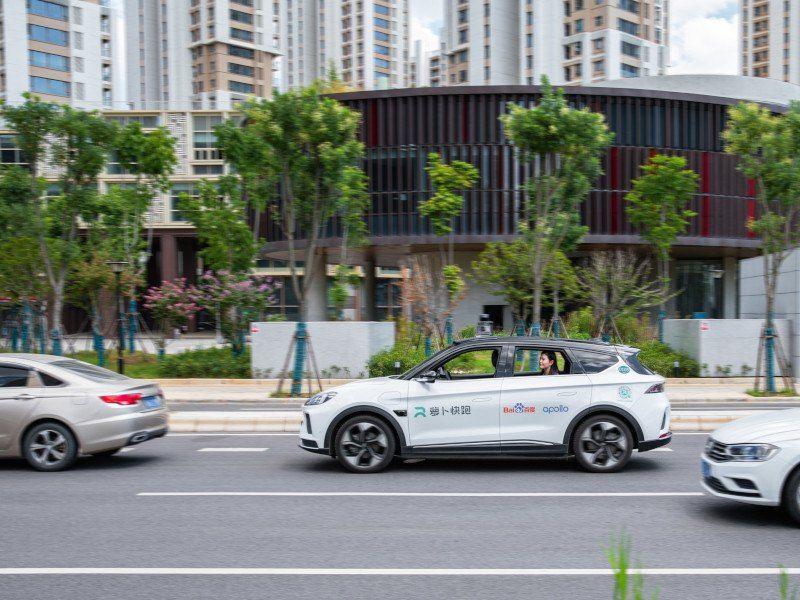
China has halted the issuance of new licenses for autonomous vehicles following a significant disruption in Wuhan last month that saw more than 100 Baidu Apollo Go robotaxis simultaneously stall on city streets. The March 31 incident, which stranded passengers and caused traffic disruptions, has prompted three government agencies—including the Ministry of Industry and Information Technology, the Ministry of Public Security, and the Ministry of Transportation—to convene an urgent meeting with officials from cities operating robotaxis or autonomous-driving pilots
1
. The permit suspension marks a significant setback for China's rapidly expanding autonomous vehicle sector, which analysts at Soochow Securities estimate will reach 83.1 billion yuan ($12.2 billion) by 20301
.
Source: Silicon Republic
System Malfunctions Trigger Safety Concerns and Enhanced Monitoring
Local police in Wuhan attributed the outage to system malfunctions, though Baidu has yet to comment on the specific cause
2
. Videos circulating on social media showed Baidu AVs lined up on roads, completely unmoving, creating gridlock across the city2
. The incident alarmed authorities sufficiently to suspend robotaxi services in Wuhan while investigations continue. Regulators have called for local governments to conduct a full self-review and implement enhanced safety monitoring to prevent similar incidents1
. This regulatory pause specifically affects Level 4 autonomous vehicles, which require no human intervention during operation.Self-Driving Companies Face Fleet Expansion Freeze
The suspension prevents self-driving companies from adding new robotaxis to their fleets, launching new test projects, or expanding to new cities, though the duration of the halt remains unclear
1
. This marks at least the second time regulators have paused new permits due to a Baidu-related incident. Apollo Go, the largest robotaxi provider in China with hundreds of vehicles operating across more than a dozen cities, now faces operational suspension in Wuhan pending the investigation's outcome1
. Rival companies Pony AI and WeRide confirmed their services continue operating normally, with Pony AI noting that preparation for expansion into Changsha and Hangzhou is progressing as planned1
.Related Stories



Balancing Public Safety, Job Losses, and AI Technology Competition
Beijing faces a delicate balancing act between addressing safety concerns and negative public sentiment over AI technology-related job losses while maintaining its competitive edge against the US in autonomous driving, particularly against rivals like Waymo
1
. Two years ago, Wuhan residents protested the deployment of Apollo Go robotaxis, fearing taxi drivers would lose their jobs. In response, regulators froze approvals in late 2024 for several months before resuming in early 20251
. The financial impact is already visible: shares of China's two US-listed robotaxi companies have declined this year, with WeRide down almost 10% and Pony AI plunging around 30%1
. Both companies remain unprofitable and require substantial investment to develop new products and support global expansion plans, making this regulatory setback particularly challenging for the industry's growth trajectory.References
Summarized by

Navi
[2]
Related Stories
Recent Highlights



Recent Highlights
Today's Top Stories













Don’t drown in AI news. We cut through the noise - filtering, ranking and summarizing the most important AI news, breakthroughs and research daily. Follow topics that matter to you and stay ahead.


