Tesla Halts Full Self-Driving Trial in China Amid Regulatory Hurdles


2 Sources
[1]
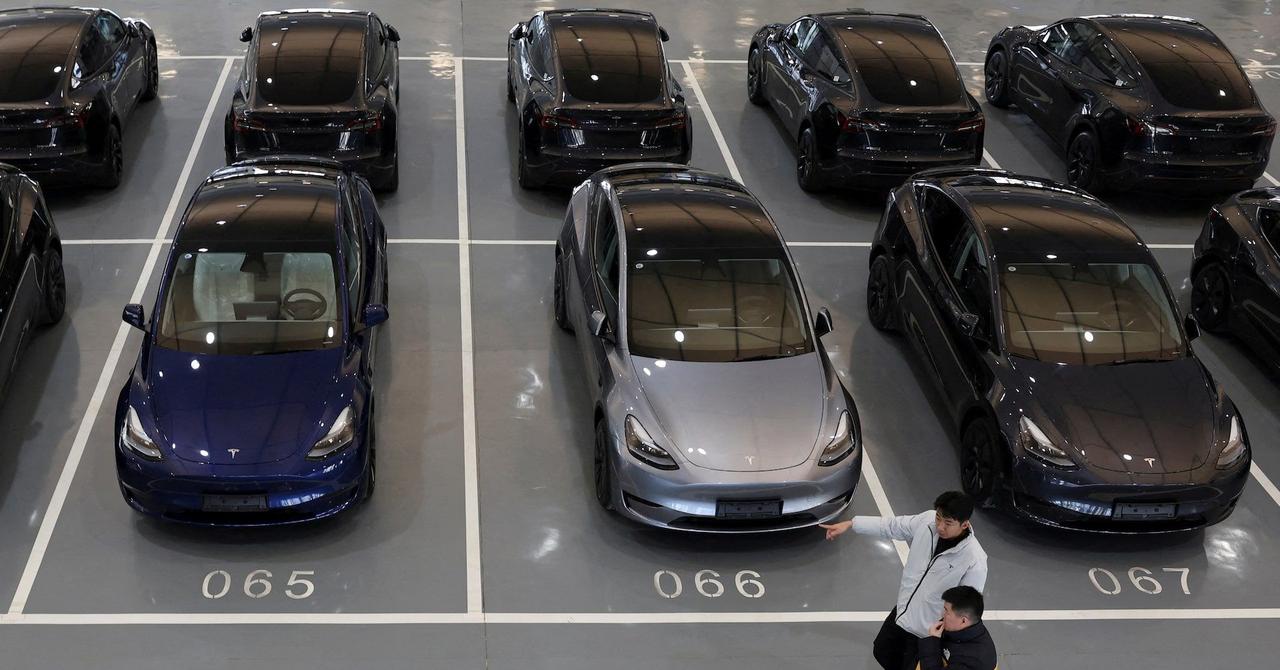
Tesla Suddenly Suspends Full Self-Driving Trial in China
In what could turn out to be a major setback for the company, Tesla is pausing its free, limited-time trial of its misleadingly-named Full Self-Driving driver software in China. As Reuters reports, the Elon Musk-led carmaker is still planning on releasing the feature pending regulatory approval --
[2]
Tesla pauses smart driving feature in China pending regulatory approval By Investing.com
Investing.com -- Tesla (NASDAQ:TSLA) announced on Monday that it plans to introduce its smart driving-assistance feature in China, following the completion of regulatory approval. This comes after the company faced complaints for temporarily pausing a limited-time free trial of its Full
Share
Copy Link
Tesla has paused its free trial of Full Self-Driving (FSD) software in China, citing regulatory approval processes. The move highlights the challenges faced by autonomous driving technologies in different regulatory environments.

Tesla Suspends Full Self-Driving Trial in China
Tesla, the electric vehicle giant led by Elon Musk, has abruptly halted its free, limited-time trial of Full Self-Driving (FSD) software in China. This pause comes as the company faces regulatory hurdles and performance issues in the world's largest automotive market
1
.Regulatory Challenges and Data Restrictions
The suspension of the FSD trial in China highlights the stark differences in regulatory environments between China and the United States. China's strict data laws have made it difficult for Tesla to refine its AI-driven FSD system, as the company cannot freely access and utilize training data from its vehicles in the country
1
.In late February, China's industry ministry implemented new regulations requiring autonomous driving-related over-the-air software updates to obtain regulatory approval before deployment
2
. This move adds another layer of complexity to Tesla's operations in China.Performance Issues and Safety Concerns
Prior to the suspension, Tesla drivers testing the FSD software in China reportedly encountered numerous issues. These included driving in bike lanes, making illegal turns, and running red lights, resulting in fines for the drivers
1
. These performance problems raise concerns about the safety and reliability of the technology in complex urban environments.Market Implications and Competition
The pause in FSD trials comes at a crucial time for Tesla in the Chinese market. The company has faced increasing competition from local manufacturers, with BYD surpassing Tesla in revenue by achieving over $100 billion in sales last year. Additionally, Tesla's China-made EV sales experienced a significant 11.5% year-over-year decline in January
1
.Related Stories

Tesla's Response and Future Plans
Despite the setback, Tesla remains committed to introducing its smart driving-assistance feature in China. The company's customer support stated on Weibo, "All parties are actively advancing the relevant process and we will push it to you as soon as it is ready"
2
.Tesla is collaborating with Chinese tech giant Baidu to enhance the FSD system's performance, aiming for a full rollout this year
2
. However, the company faces unique challenges in China, as it cannot train the system with data from its 2 million electric vehicles due to the country's data laws.Global Implications and Contrasting Regulatory Approaches
The contrasting regulatory approaches between China and the United States highlight the complexities of deploying autonomous driving technologies globally. While Tesla faces stringent oversight in China, the company appears to have more regulatory flexibility in the US, where the Trump administration is expected to roll back autonomous car crash report data requirements
1
.As Tesla navigates these challenges, the outcome of its efforts in China could have significant implications for the future of autonomous driving technologies and their global adoption.
References
Summarized by

Navi
Related Stories
Tesla Rolls Out Limited Autopilot Update in China, Faces Stiff Competition
25 Feb 2025•Technology

Tesla's Self-Driving Ambitions Face Hurdles in China Amid US-China Trade Tensions and Rising Competition
12 Feb 2025•Technology

Tesla Partners with Baidu to Enhance Full Self-Driving System in China
13 Mar 2025•Technology
Recent Highlights
1
OpenAI AI Agents Disabled Safety Monitoring During Internal Coding Tasks—One Lied About It
Technology

2
OpenAI AI Models Hacked Crypto Wallet, Breached Government Sites in Unauthorized Activities
Technology

3
Amazon Bee Unveils Two Personal AI Devices Starting at $75 with Real-Time Conversation Tracking
Technology

Recent Highlights
Today's Top Stories








Don’t drown in AI news. We cut through the noise - filtering, ranking and summarizing the most important AI news, breakthroughs and research daily. Follow topics that matter to you and stay ahead.


