Chinese AI firm MiniMax linked to unauthorized access of user secrets


3 Sources
[1]
EXCLUSIVE: Data from Chinese AI firm MiniMax accessed by unidentified parties, researcher says
TAIPEI/SINGAPORE, Nov 26 (Reuters) - Confidential data submitted to Chinese AI startup MiniMax (0100.HK), opens new tab was accessed by unidentified parties, a cybersecurity researcher told Reuters, even after users requested that their data not be stored or retained. HD Moore, chief research
[2]
MiniMax: Data from Chinese AI firm MiniMax accessed by unidentified parties, researcher says
Confidential data submitted to Chinese AI startup MiniMax was accessed by unidentified parties, a cybersecurity researcher told Reuters, even after users requested that their data not be stored or retained. HD Moore, chief research officer at US cybersecurity firm Dragos, identified MiniMax as the
[3]
MiniMax linked to unauthorized access of confidential AI user data - report By Investing.com
Investing.com -- Confidential data submitted to Chinese AI startup MiniMax was accessed by unidentified parties, even when users had requested that their information not be stored, according to findings from U.S. cybersecurity firm Dragos, Reuters reported on Thursday. HD Moore, chief research
Share
Copy Link
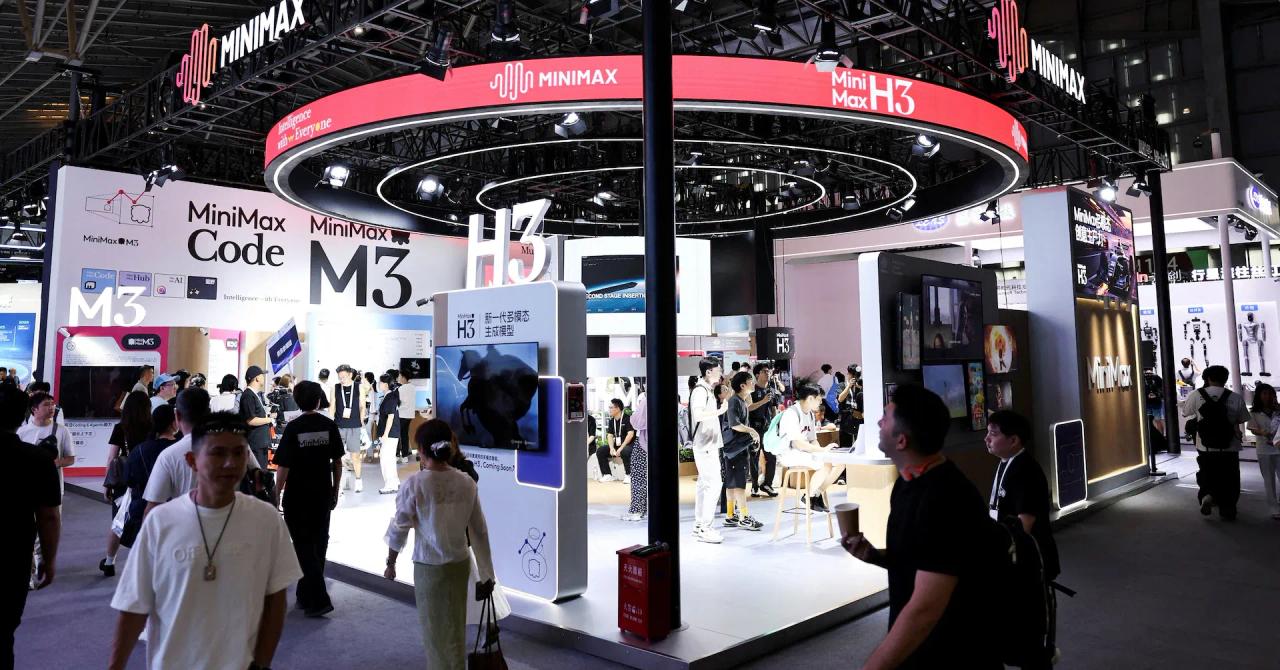
Cybersecurity firm Dragos has identified Chinese AI startup MiniMax as the company whose systems were linked to unauthorized access of confidential data submitted by users, in findings published November 26
1
. MiniMax, a Hong Kong-listed developer of multimodal AI models and consumer apps, says the access was its own security system at work1
.
Source: Reuters
How the trap worked
Dragos, a US cybersecurity firm, sent AI providers nearly 2 million test requests carrying secret web links and dummy login details between July and November
1
. It then watched whether anyone tried to use them1
. Per a November 19 blog post from chief research officer HD Moore, private links embedded in AI requests were later opened by unauthorized parties; the post did not name MiniMax at that stage1
.
Source: ET
Moore said the links were opened again and again, two or three days afterwards, from a Singapore internet connection
1
. That included cases where customers had asked that their data not be stored1
. In Moore's account, the pattern showed up only when requests were forwarded to MiniMax's own cloud; when other companies ran MiniMax's models on their own infrastructure, nothing happened1
.A single secret link sent to MiniMax later turned up in a chat channel on Feishu, ByteDance's workplace messaging platform, where devices in Beijing and Shanghai opened it
1
. Dragos also saw unusual internet activity tied to the Moscow region around links sent to MiniMax, though the evidence did not establish the links were opened from Russia1
. And after the link access appeared to stop on October 22, the researchers observed new attempts to pull down private code collections referenced in MiniMax requests1
. Who initiated them, and whether any code was obtained, is unknown1
.MiniMax's answer
MiniMax said in a Tuesday statement that its security system gathered and stored web links from messages sent through third-party providers, opening some automatically to check for security threats
1
. The company said it deleted the stored addresses and that the activity had stopped1
. In the requests it examined, it saw no evidence that customer conversations or AI responses reached third parties1
. The statement did not address the software-download attempts or the Feishu incident1
.Related Stories

Customers pull back
Atlas Cloud, a US provider offering access to MiniMax models, had routed requests through MiniMax's Singapore data centres specifically to avoid customer data being processed in China
1
. The company said it has now stopped forwarding requests to MiniMax and warned users of three named models to treat any secrets they submitted as potentially exposed1
. OpenRouter, a major AI platform, removed three providers and tightened its privacy requirements1
. It also notified customers it thought might be affected, while saying it found no evidence its own systems were breached1
.Chinese models ranked as the three most widely used on OpenRouter in October by text processed
1
. Washington, meanwhile, weighs making US companies disclose when they use Chinese AI1
.Nobody has said who tried to download the code, and MiniMax has not explained how one of its users' secret links ended up on a ByteDance platform.
References
Summarized by

Navi
[1]
Related Stories
Chinese AI Firms Face Accusations of Industrial-Scale Theft from US Frontier Models
08 Sept 2026•Policy and Regulation

Researchers baited AI providers with fake secrets and watched thieves take them
23 Nov 2026•Technology

Anthropic accuses Chinese AI labs of industrial-scale theft as chip export debate intensifies
23 Feb 2026•Technology

Recent Highlights


Recent Highlights
Today's Top Stories







Don’t drown in AI news. We cut through the noise - filtering, ranking and summarizing the most important AI news, breakthroughs and research daily. Follow topics that matter to you and stay ahead.


