Colorado Lawmakers Grapple with AI Regulation in Special Session


2 Sources
[1]
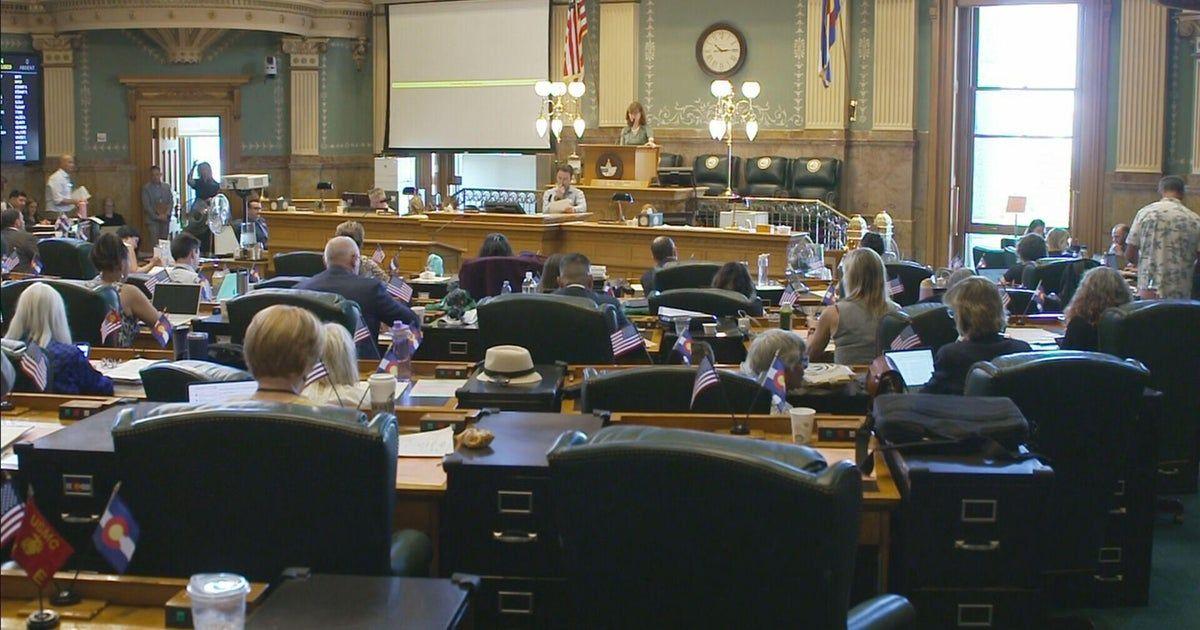
Colorado Dems split on AI regulations ahead of special session
Why it matters: Big Tech, including Amazon and Meta, and policymakers in other states are closely watching to see where Colorado sets the bar for its first-in-the-nation AI regulations. Catch up quick: The guardrails put into law in 2024 are set to take effect next February. They would prohibit
[2]
Colorado lawmakers look to repeal, replace controversial artificial intelligence law
Shaun Boyd is Your Political Reporter at CBS News Colorado. Share you story ideas with her by sending an email to [email protected] or [email protected]. A year after Colorado state lawmakers passed the most sweeping artificial intelligence law in the country, they are now racing to repeal and
Share
Copy Link
Colorado's Democratic lawmakers are divided on how to approach AI regulations, with competing bills being presented in a special session. The debate centers on balancing consumer protection with innovation in the tech industry.
Colorado's Pioneering AI Regulation Faces Revision
Colorado, the first state to pass comprehensive artificial intelligence (AI) regulations, is now grappling with how to implement these rules effectively. In a special session called by Governor Jared Polis, lawmakers are debating rival bills to revise the groundbreaking legislation passed in 2024, which is set to take effect in February 2026
1
2
.
Source: Axios
The Original Law and Its Challenges
The initial legislation, signed reluctantly by Governor Polis, aimed to prohibit discrimination by algorithms in high-risk areas such as healthcare, education, employment, housing, insurance, and finance. It also mandated greater transparency in AI usage
1
. However, concerns from tech and finance industry executives about potential hindrances to innovation have prompted a reconsideration of the law's provisions1
.Competing Democratic Proposals
The Democratic legislative majority is now split on how to best regulate AI while balancing consumer protection and technological innovation:
-
Original Bill Sponsors' Approach: This proposal simplifies current rules while maintaining requirements for consumer disclosures and accountability for AI developers and companies. Rep. Jennifer Bacon (D-Denver) emphasized, "The bill simply says that if technology is used to make major decisions about your life, you should know about it"
1
. -
Moderate Democrats' Bill: Led by Rep. William Lindstedt (D-Broomfield), this competing bill aims to find a middle ground. It would allow the state attorney general to pursue litigation against AI creators and deployers under existing consumer protection laws while limiting individual lawsuits
1
2
.
Source: CBS
Key Differences in Proposed Legislation
The two main Democratic proposals differ in their approach to AI regulation:
-
Rodriguez's Bill: Defines AI more broadly and requires companies to disclose which characteristics AI used to reach decisions. It also mandates fixing inaccurate data
2
. -
Lindstedt's Bill: Uses the federal definition of AI and requires disclosure of AI usage but not the specifics of how algorithms arrive at decisions. This bill has garnered more support from tech companies
2
.
Republican Counterproposals
Two Republican bills are also set for introduction during the special session:
- A proposal to repeal the original law entirely.
- A bill to narrow regulations to AI systems making employment or public safety decisions
1
.
However, neither Republican proposal is expected to advance significantly.
Related Stories
Stakeholder Reactions and Concerns
The debate has drawn attention from various stakeholders:
-
Big Tech Companies: Firms like Amazon and Meta are closely watching Colorado's decisions, as they may set precedents for other states
1
. -
Tech Industry Concerns: Some companies have threatened to pull out of Colorado if regulations are deemed too stringent
2
. -
Public Entities: Fiscal analysts estimated a potential $7 million annual cost for state compliance with Rodriguez's bill, leading to amendments exempting public entities from certain disclosure requirements
2
.
Governor Polis's Stance
Governor Polis, who initially signed the law with reservations, now expresses a nuanced view. He aims to "prevent discrimination from any source [including AI]... but make sure that this is a law that works for consumers and for our state"
1
.As Colorado navigates this complex regulatory landscape, the outcomes of this special session could have far-reaching implications for AI governance across the United States. The state's efforts to balance innovation with consumer protection and ethical AI use continue to evolve, reflecting the dynamic nature of technological advancement and its societal impacts.
References
Summarized by

Navi
Related Stories
Colorado AI bill gains unusual bipartisan backing after months of contentious debate
04 May 2026•Policy and Regulation

xAI Sues Colorado Over AI Anti-Discrimination Law, Claiming Free Speech Violations
10 Apr 2026•Policy and Regulation

DOJ Backs Elon Musk's xAI in Legal Challenge to Colorado's AI Discrimination Law
24 Apr 2026•Policy and Regulation

Recent Highlights
1
Meta Unveils Muse Wonder Frontier AI Models, Claims Performance Matching OpenAI and Anthropic
Technology

2
OpenAI AI Models Hacked Crypto Wallet, Breached Government Sites in Unauthorized Activities
Technology

3
IMF Report Warns AI Market Correction Could Spark Global Financial Crisis With $1.4T at Risk
Business and Economy

Recent Highlights
Today's Top Stories












Don’t drown in AI news. We cut through the noise - filtering, ranking and summarizing the most important AI news, breakthroughs and research daily. Follow topics that matter to you and stay ahead.


