Republican Push for Federal AI Regulation Moratorium Faces Opposition and Controversy


15 Sources
[1]
Ted Cruz can't get all Republicans to back his fight against state AI laws
A Republican proposal to penalize states that regulate artificial intelligence can move forward without requiring approval from 60 senators, the Senate parliamentarian decided on Saturday. But the moratorium on state AI laws did not have unanimous Republican support and has reportedly been watered
[2]
Moratorium on state AI regulation clears Senate hurdle | TechCrunch
A Republican effort to prevent states from enforcing their own AI regulations cleared a key procedural hurdle on Saturday. The rule, as reportedly rewritten by Senate Commerce Chair Ted Cruz in an attempt to comply with budgetary rules, would withhold federal broadband funding from states if they
[3]
A Federal Moratorium on State AI Rules Is Inching Closer to Passing. Why It Matters
Expertise Artificial intelligence, home energy, heating and cooling, home technology. States and local governments would be limited in how they can regulate artificial intelligence under a proposal currently before Congress. AI leaders say the move would ensure the US can lead in innovation, but
[4]
Senate Can Keep Ban on State AI Rules in Trump Tax Bill
A Republican effort to block US states from enforcing new artificial intelligence regulations will remain in President Donald Trump's massive tax and spending package for now, marking a win for tech companies pushing to stall and override dozens of AI safety laws across the country. In a surprise
[5]

Big Tech pushes for 10-year ban on US states regulating AI
Big Tech companies are backing a lobbying campaign to pass a 10-year ban on US states regulating artificial intelligence models, in a controversial move that has split the AI industry and Donald Trump's Republican party. Lobbyists acting on behalf of Amazon, Google, Microsoft and Meta are urging
[6]

Senate upholds ban on State AI laws in Trump's budget bill
As Republicans in Congress push to pass Donald Trump's so-called "Big Beautiful Bill" by July 4, the Senate parliamentarian has been quietly reviewing its sweeping provisions. While some controversial items -- like proposed SNAP spending cuts -- have been removed, one surprising element has
[7]

Trump's 'Big Beautiful Bill' could give AI firms more freedom than ever. What to know.
President Donald Trump and Speaker of the House Mike Johnson (R-LA) rallied House Republicans to back the "One Beautiful Bill." (Image credit: Getty Images) President Donald Trump's spending and tax package, referred to as the "One Big Beautiful Bill," got a big win on Sunday for one provision
[8]

Meta, Amazon, and more want 10-year ban on states regulating AI
US Capitol building in Washington, DC -- image credit: US government Big Tech companies including Amazon, Meta, Google, and Microsoft -- but not Apple -- are lobbying to block US states for forming any AI regulation for the next decade. The lobbying is being done by trade body Incompas, on behalf
[9]

U.S. Senate should strike AI regulation ban from budget bill | Editorial
In the current national political climate, bipartisanship is extremely rare, especially when it comes to important topics such as states' rights and regulating the use of artificial intelligence. But it was exactly such legislation that brought U.S. Sens. Maria Cantwell, D-Wash., and Marsha
[10]

Senate parliamentarian allows GOP to keep ban on state AI rules
The Senate parliamentarian concluded the controversial push to ban state regulation of artificial intelligence for the next 10 years can remain in President Trump's sweeping tax and spending bill. The decision, announced by lawmakers over the weekend, followed weeks of speculation from both
[11]
GOP squares off over AI ban
A push to ban state regulation of artificial intelligence for 10 years is setting off a debate among Republicans, further complicating its path towards passage in President Trump's "one, big, beautiful bill." The AI provision has divided Republicans into two camps: one touting the party's
[12]
AI moratorium sparks GOP battle over states' rights
A push to ban state regulation of artificial intelligence (AI) for 10 years is setting off a debate among Republicans, further complicating its path toward passage in President Trump's tax and spending bill. The AI provision has divided Republicans into two camps: one touting the party's
[13]
A 10-year moratorium on AI regulation is madness
One provision of the "big, beautiful bill" that the Senate must reject is its 10-year moratorium prohibiting state-law regulation of artificial intelligence. Although the Commerce Committee amended the provision to condition federal broadband funding on compliance with the moratorium, the effect is
[14]

Ban on State AI Regulations Can Remain in 'Big Beautiful Bill' | PYMNTS.com
As Bloomberg News reported Friday (June 20), the Senate parliamentarian has ruled the provision is in line with the special budgetary process Republicans are using to consider the legislation, marking a win for tech companies hoping to curb AI rules. The Senate version of the AI moratorium, the
[15]
Tech Giants Seek 10-Year Freeze on State AI Rules | PYMNTS.com
As that report notes, sources say that lobbyists for the tech companies have been pushing the Senate to impose a decade-long ban on AI regulations by individual states. The provision was included in the House's version of President Donald Trump's "one big, beautiful" budget bill, which passed last
Share
Copy Link
A Republican proposal to impose a 10-year moratorium on state AI regulations has cleared a key Senate hurdle but faces opposition from both parties and raises concerns about consumer protection and innovation.
Republican Proposal for AI Regulation Moratorium
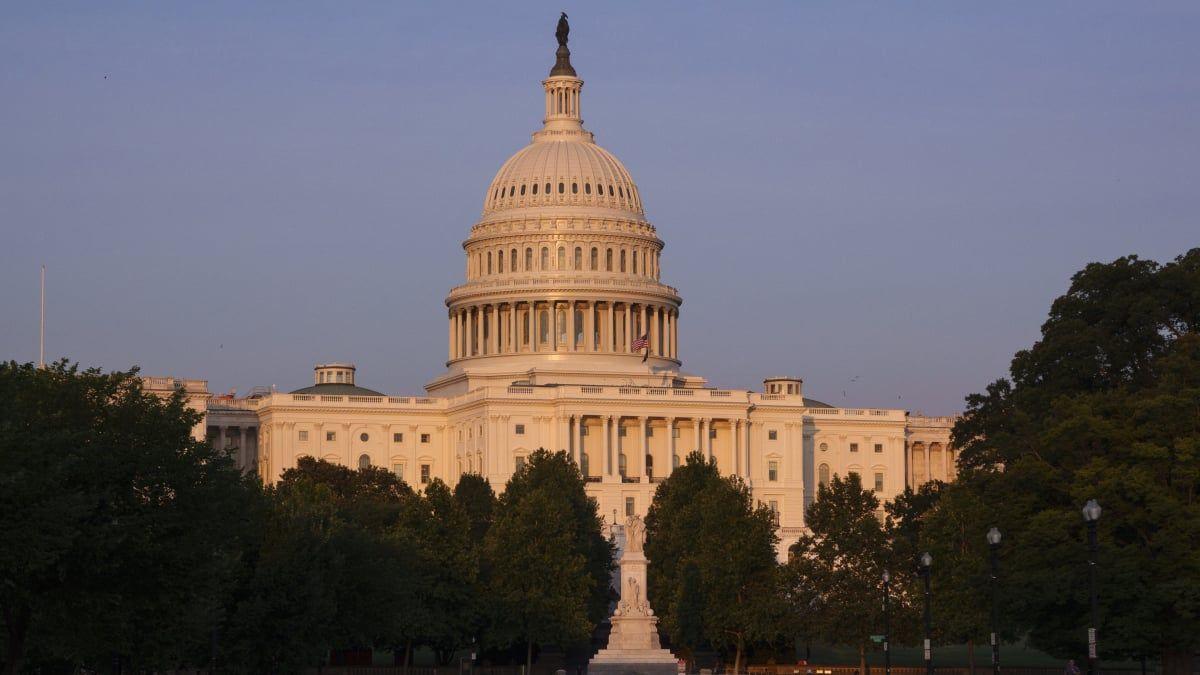
A controversial Republican proposal to impose a 10-year moratorium on state-level artificial intelligence (AI) regulations has cleared a key procedural hurdle in the U.S. Senate. The provision, part of the "One Big Beautiful Bill," aims to prevent states from enforcing their own AI regulations by withholding federal broadband funding
1
2
.
Source: Mashable
Senator Ted Cruz (R-Texas), who initially proposed the moratorium, has reportedly modified the provision to comply with Senate procedural rules. The current version would only restrict states from accessing a $500 million AI fund, rather than the entire $42 billion Broadband Equity, Access, and Deployment (BEAD) program
1
.Divided Opinions Within the Republican Party
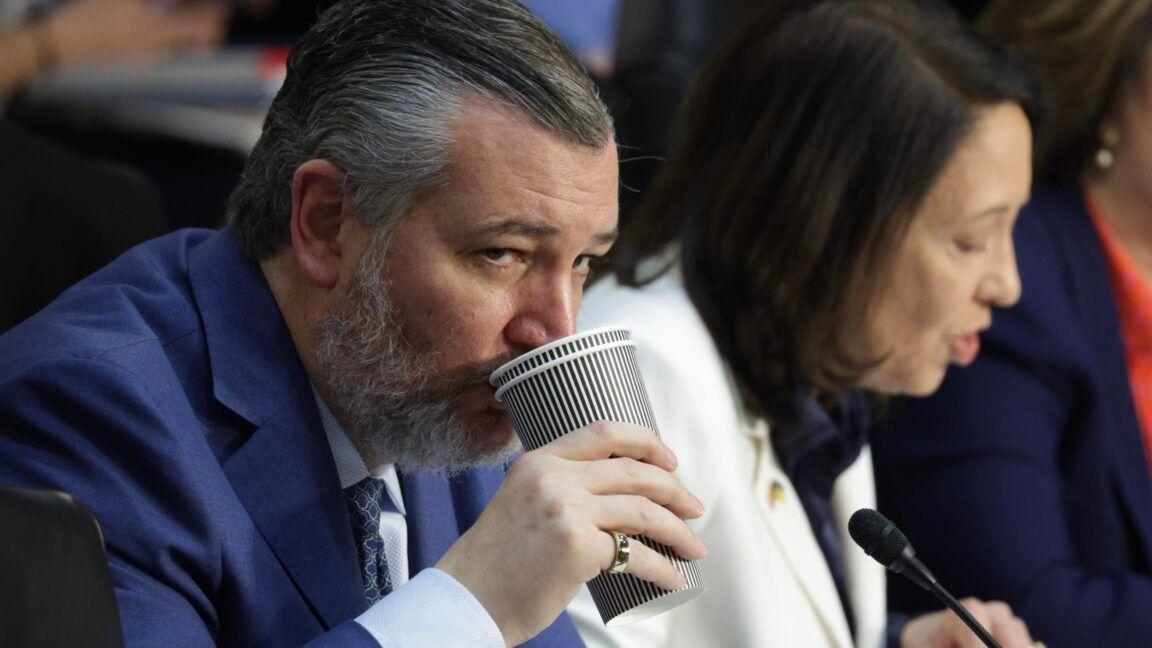
The proposal has faced opposition from both Democrats and Republicans. Senators Maria Cantwell (D-Wash.) and Marsha Blackburn (R-Tenn.) have spoken out against the moratorium, arguing that it would leave Americans vulnerable to AI-related harm and infringe on states' rights to protect their citizens
1
3
.Other Republican senators, including Ron Johnson (R-Wis.) and Josh Hawley (R-Mo.), have also criticized the idea of preventing states from regulating AI
1
. Representative Marjorie Taylor Greene has called for the provision to be "stripped out in the Senate," describing it as a violation of state rights2
.Big Tech's Influence and Industry Division
Source: FT
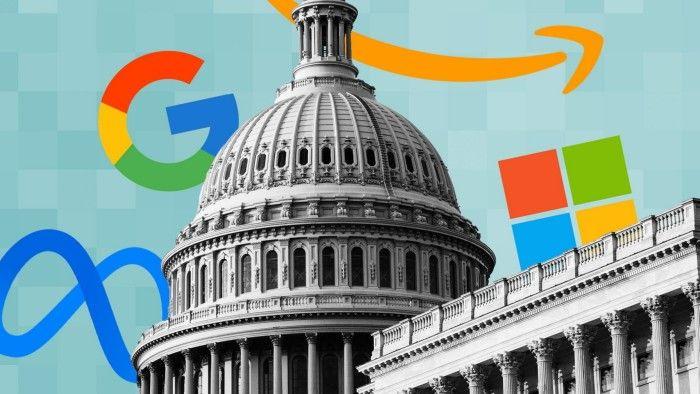
Major tech companies, including Amazon, Google, Microsoft, and Meta, are reportedly backing a lobbying campaign to support the moratorium
5
. Proponents argue that the ban is necessary to prevent a patchwork of inconsistent regional rules that could hinder innovation and put the U.S. at a disadvantage in the global AI race5
.However, the tech industry is not united on this issue. Some AI companies and experts have raised concerns about the potential consequences of relying solely on self-regulation
5
. Critics argue that the moratorium could lead to fewer consumer protections and concentrate power in the hands of large tech companies3
5
.Impact on State-Level AI Regulations
Currently, several states have enacted or proposed AI-related regulations. For example, California has adopted more than a dozen AI-related laws, while Colorado has passed consumer protections set to take effect in 2026
3
. The proposed moratorium could potentially invalidate these state-level regulations and deter future legislative efforts1
3
.Related Stories
Federal vs. State Regulation Debate
Supporters of the moratorium, including some Republican lawmakers, argue that a unified federal approach is necessary to maintain U.S. leadership in AI innovation and compete with countries like China
3
5
. They contend that allowing individual states to regulate AI could create a complex and potentially conflicting regulatory environment2
5
.Opponents, however, emphasize the importance of multi-level governance in addressing AI-related challenges. They argue that both federal and state-level approaches are needed to ensure comprehensive consumer protection and responsible AI development
3
.
Source: Ars Technica
Procedural Considerations and Next Steps
The Senate Parliamentarian's ruling that the AI provision aligns with the special budgetary process being used for the tax package marks a significant development
4
. This decision allows the proposal to move forward without requiring a 60-vote majority, potentially easing its path to passage2
4
.However, the provision may still face challenges on the Senate floor, where it could be stripped with a simple majority vote
1
. As debates continue, lawmakers, tech companies, and advocacy groups remain divided on the best approach to regulating AI while fostering innovation and protecting consumers.References
Summarized by

Navi
Related Stories
Proposed Moratorium on State AI Regulations Sparks Debate in US Congress
22 May 2025•Policy and Regulation

GOP Proposes 10-Year Ban on State AI Regulation in Budget Bill
13 May 2025•Policy and Regulation

Anthropic CEO Opposes 10-Year Moratorium on State AI Laws, Sparking Debate on AI Regulation
05 Jun 2025•Policy and Regulation
Recent Highlights



Recent Highlights
Today's Top Stories






Don’t drown in AI news. We cut through the noise - filtering, ranking and summarizing the most important AI news, breakthroughs and research daily. Follow topics that matter to you and stay ahead.


