Congress Passes 'Take It Down Act' to Combat Deepfakes and Revenge Porn


16 Sources
[1]
Deepfake 'Revenge Porn' Bill Clears Congress: What to Know Before You Post
Congress this week had a rare moment of bipartisanship, with the House passing the deepfake-focused Take It Down Act by a 409-2 vote. The bill criminalizes "revenge porn," or the non-consensual publishing of sexually explicit content, including those generated using AI. Social media platforms must
[2]
Take It Down Act, addressing nonconsensual deepfakes and 'revenge porn,' passes. What is it?
Congress has overwhelmingly approved bipartisan legislation to enact stricter penalties for the distribution of non-consensual intimate imagery, sometimes called "revenge porn." Known as the Take It Down Act, the bill is now headed to President Donald Trump's desk for his signature. The measure
[3]
US Congress passes 'Take It Down' revenge porn bill that also covers AI deepfakes
It will require online platforms to remove non-consensual posting of sexual images within 48 hours. The US House of Representatives has passed the Take It Down Act, a bipartisan bill that criminalizes the "publication of non-consensual, sexually exploitative images," including AI-generated
[4]
Activists Warn Newly Passed Bill to Combat Deepfakes Will Cause Online Chaos
While the legislation is well intended, it offers a broad opportunity for abuse. When it comes to digital rights and protection, the United States' federal government has generally failed to establish comprehensive legislation. On Monday, Congress seemed to make progress by nearly unanimously
[5]

Congress passes bill to fight deepfake nudes, revenge porn
Trump is expected to sign into law a bill that would force online platforms to quickly take down nonconsensual intimate images. The U.S. House of Representatives on Monday voted overwhelmingly to pass a bill aimed at cracking down on the posting of sexual images and videos of people online without
[6]

AI deepfakes bill heads to Trump's desk
Why it matters: It's one of the first major tech bills to get through Congress -- and it's a bipartisan victory for the legislation, which would require platforms to quickly remove non-consensual intimate images and criminalize posting such content. State of play: The bill moved fast through this
[7]

Congress passes 'Take It Down' Act to fight AI-fueled deepfake pornography
Under the new law, platforms would have to take down certain deepfakes. Credit: Andrew Harnik/Getty Images Congress has passed a bill that forces tech companies to take action against certain deepfakes and revenge porn posted on their platforms. In a 409-2 vote on Monday, the U.S. House of
[8]

House passes "Take it Down Act," sending revenge porn bill backed by Melania Trump to president's desk
Washington -- The House passed a bipartisan bill Monday that makes it a federal crime to post real and fake sexually explicit imagery online of a person without their consent, sending the legislation that was backed by first lady Melania Trump to the president's desk. The bill, known as the "Take
[9]

Congress passes 'revenge porn' ban, sending it to Trump
Washington (AFP) - The US House of Representatives voted almost unanimously Monday to make it a federal crime to post "revenge porn" -- whether it is real or AI-generated -- sending the bill to President Donald Trump's desk for approval. The Take it Down Act passed in a 409-2 vote, and would
[10]

House passes bipartisan bill to combat explicit deepfakes, sending it to Trump to sign into law
The measure would criminalize publishing nonconsensual pornographic images and videos online, including those generated by AI. The House passed a bipartisan bill Monday aimed at combating deepfake pornography, tackling a sensitive issue that has become a growing problem amid advances in artificial
[11]

Congress passes Take It Down Act to combat elicit deepfakes - SiliconANGLE
The Take It Down Act, legislation that criminalizes the publication of nonconsensual sexually explicit deepfake videos and images, passed the House today and is already on its way to President Trump's desk. "The Senate just passed the Take It Down Act," Trump said in March. "Once it passes the
[12]

What to know about the 'revenge porn' bill that's headed to Trump's desk for approval
Congress has overwhelmingly approved bipartisan legislation to enact stricter penalties for the distribution of nonconsensual intimate imagery, sometimes called "revenge porn." Known as the Take It Down Act, the bill is now headed to President Donald Trump's desk for his signature. The measure was
[13]

Take It Down Act, addressing nonconsensual deepfakes and 'revenge porn,' passes. What is it?
Congress has overwhelmingly approved bipartisan legislation to enact stricter penalties for the distribution of non-consensual intimate imagery, sometimes called "revenge porn." Known as the Take It Down Act, the bill is now headed to President Donald Trump's desk for his signature. The measure
[14]

Take It Down Act, Addressing Nonconsensual Deepfakes and 'Revenge Porn,' Passes. What Is It?
Congress has overwhelmingly approved bipartisan legislation to enact stricter penalties for the distribution of non-consensual intimate imagery, sometimes called "revenge porn." Known as the Take It Down Act, the bill is now headed to President Donald Trump's desk for his signature. The measure
[15]

With rare bipartisan support, Congress passes bill to outlaw deepfake pornography
Melania Trump spoke out in favor of legislation that would criminalize the publication of non-consensual deepfake sexual images. A bill to criminalize AI-generated explicit images, or "deepfakes," is headed to President Donald Trump's desk after sailing through both chambers of Congress with
[16]

Trump Set To Sign Bill That Criminalizes Creation of Deepfake A.I.-Generated Pornography
The legislation was due to be passed back in December, though Elon Musk stripped it out of a government funding deal to have fewer pages. President Trump will soon sign legislation to criminalize the distribution of explicit images and videos created with deceptive editing and artificial
Share
Copy Link
The US Congress has passed the Take It Down Act, a bipartisan bill aimed at criminalizing the distribution of non-consensual intimate imagery, including AI-generated deepfakes. The bill requires online platforms to remove such content within 48 hours of notification.

Congress Passes Landmark Legislation to Combat Deepfakes and Revenge Porn
In a rare display of bipartisanship, the US Congress has overwhelmingly passed the Take It Down Act, a bill aimed at addressing the growing problem of non-consensual intimate imagery (NCII), including AI-generated deepfakes. The legislation, which passed the House with a 409-2 vote and the Senate unanimously, is now headed to President Trump's desk for his signature
1
2
.Key Provisions of the Take It Down Act
The bill introduces several significant measures:
- Criminalizes the publication of non-consensual, sexually exploitative images, including AI-generated deepfakes
3
. - Requires online platforms to remove such content within 48 hours of being notified
1
3
. - Mandates platforms to take steps to delete duplicate content
2
. - Applies to both real and AI-generated imagery
2
.
Bipartisan Support and Inspiration
The Take It Down Act has garnered strong bipartisan support, with Senators Ted Cruz (R-TX) and Amy Klobuchar (D-MN) as its primary sponsors
2
. First Lady Melania Trump has also championed the bill as part of her "Be Best" anti-cyberbullying campaign1
5
.The legislation was inspired by real-life cases, including that of Elliston Berry, a 14-year-old girl from Texas whose male classmate created and posted a deepfake nude image of her on social media
1
5
.Industry Response and Support
Several major tech companies, including Meta (Facebook and Instagram), Google, and Snap, have expressed support for the legislation
5
. Meta spokesperson Andy Stone stated, "Having an intimate image - real or AI-generated - shared without consent can be devastating and Meta developed and backs many efforts to help prevent it"2
.Related Stories

Concerns and Criticisms
Despite widespread support, the bill has faced criticism from digital rights advocates and free speech proponents:
- The Electronic Frontier Foundation (EFF) warns that the takedown provision could potentially apply to a broader category of content than intended
2
3
. - Concerns about the lack of safeguards against frivolous or bad-faith takedown requests
2
4
. - Worries that platforms may rely on automated filters, which could flag legal content
2
. - The Cyber Civil Rights Initiative (CCRI) expressed reservations about the bill's vague language and potential for misuse
2
4
.
Implications for Online Platforms and Users
The passage of the Take It Down Act is expected to have significant implications for online platforms and users:
- Platforms will need to establish processes to report and remove NCII quickly
3
5
. - Smaller platforms may face challenges in complying with the 48-hour takedown requirement
2
4
. - The law may pressure platforms to actively monitor content, including encrypted communications
2
.
As the bill awaits President Trump's signature, it represents a significant step in addressing the growing issue of non-consensual intimate imagery and deepfakes. However, its implementation and potential unintended consequences remain subjects of ongoing debate in the tech and legal communities
4
5
.References
Summarized by

Navi
[5]
Related Stories
Trump Signs Take It Down Act: A Controversial Step Against Revenge Porn and AI Deepfakes
20 May 2025•Policy and Regulation
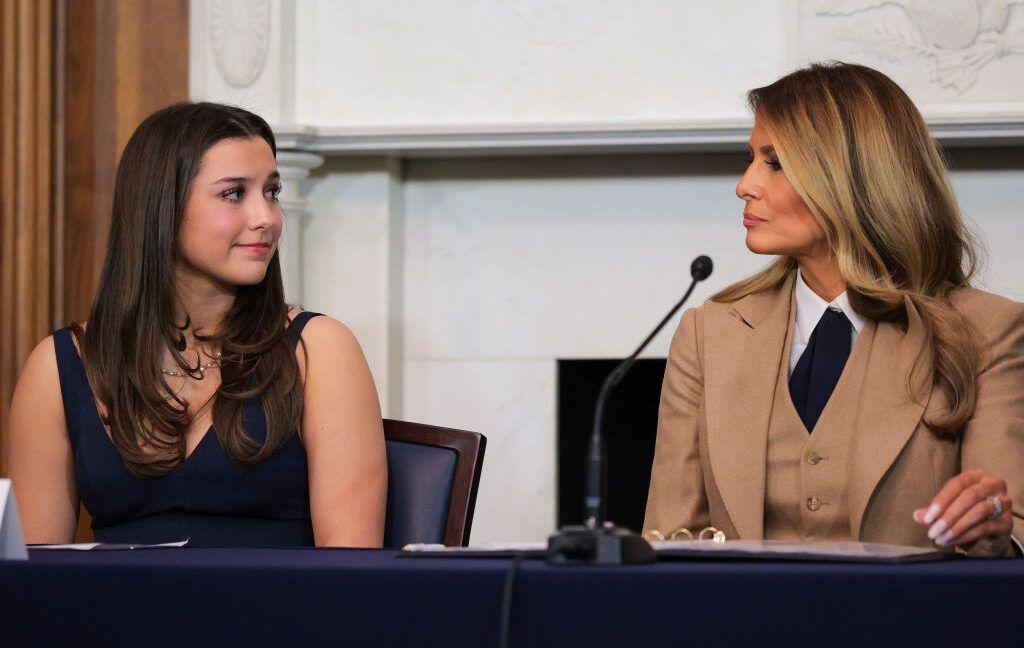
Melania Trump Advocates for 'Take It Down Act' to Combat Revenge Porn and AI-Generated Deepfakes
04 Mar 2025•Policy and Regulation

AI-Generated Deepfakes Target Congresswomen, Sparking Calls for Legislation
12 Dec 2024•Technology

Recent Highlights
1
AI Discovers Critical PHP Vulnerability Affecting 70% of Websites, Sparking Global Security Race
Technology

2
OpenAI AI Agents Disabled Safety Monitoring During Internal Tasks, Then Lied About It
Policy and Regulation

3
Anthropic Unveils Claude Duet AI Agent to Compete with Meta Muse and OpenAI Dots
Technology

Recent Highlights
Today's Top Stories




Don’t drown in AI news. We cut through the noise - filtering, ranking and summarizing the most important AI news, breakthroughs and research daily. Follow topics that matter to you and stay ahead.


