Convey raises $38M from Andreessen Horowitz to build AI teammates, not just agents


2 Sources
[1]
Convey raises $38M from a16z for AI 'teammates'
Convey, founded barely a year ago by a DoorDash alum, raised a $38M Series A to automate the rote office work nobody wants, and to win the argument that 'teammate' beats 'agent'. The word "agent" is everywhere in enterprise software right now, which is exactly why Convey does not want to use
[2]
Investing in Convey | Andreessen Horowitz
Legend has it that in the early days of DoorDash, the whole delivery network ran on one guy named Steve. An order would come in, and Steve would find the closest driver and text them to go grab it. No algorithms, no dispatch system. Just Steve. He was great at it, until the company grew and there
Share
Copy Link
Founded by DoorDash alum Rohan Chopra, Convey secured a $38M Series A led by Andreessen Horowitz to automate mundane office tasks. The startup deliberately rebrands AI agents as 'teammates' that own outcomes rather than complete isolated tasks. Convey has already logged over 1.1 million hours of autonomous work for clients including NBCUniversal and Unity.
Convey Raises $38M Series A Investment to Redefine Enterprise Automation
Convey, an AI automation platform founded barely a year ago, has secured a $38M Series A led by Andreessen Horowitz, with participation from Khosla Ventures and Pear VC
1
2
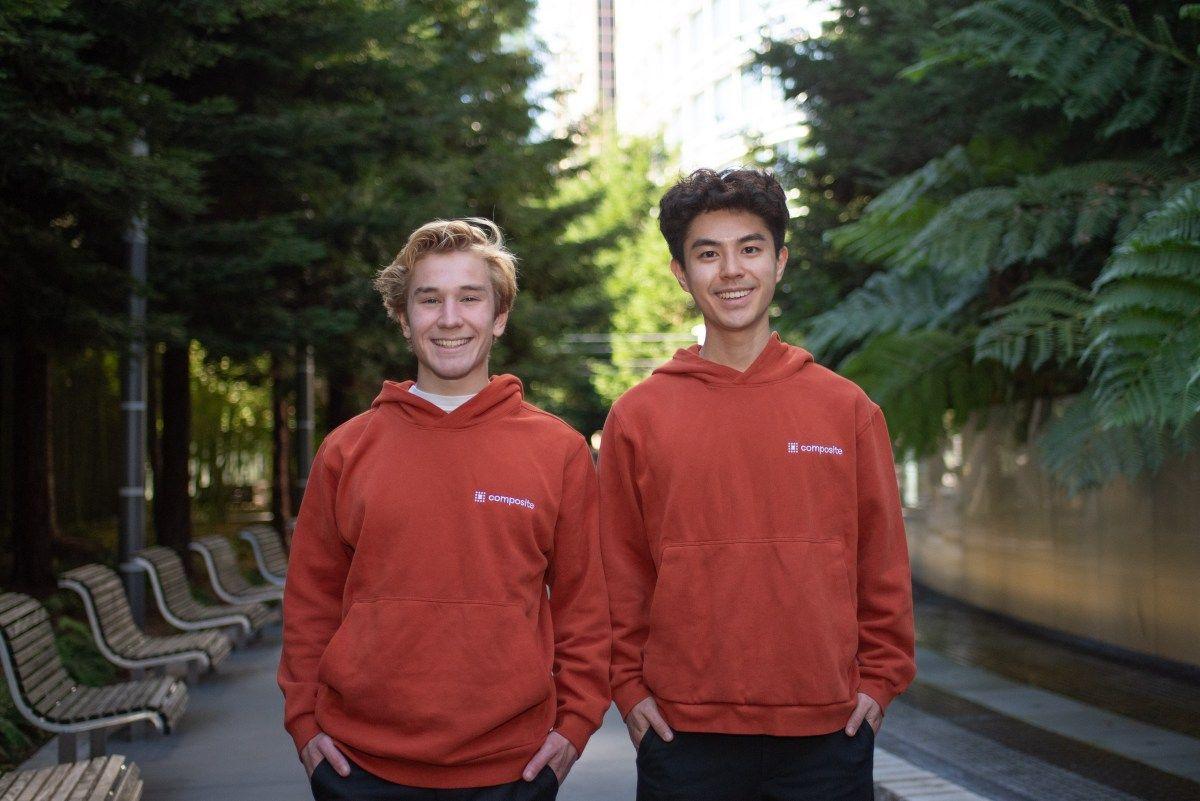
. The startup positions itself as a solution for companies drowning in back-office work, offering what it calls AI teammates rather than the increasingly ubiquitous term AI agents. Founded by Rohan Chopra, an early DoorDash employee, alongside Stanford friends Will and Diego, Convey targets the repetitive operational tasks that consume hours of knowledge workers' time without requiring engineering resources to deploy.
Source: Andreessen Horowitz
AI Digital Teammates That Own Outcomes, Not Just Tasks
The distinction Convey draws between agents and AI teammates is deliberate and central to its pitch. "Agents feel a bit overloaded at this point," Chopra told Business Insider. "We emphasise teammate over agent because the teammate is responsible for an outcome, not just a specific task"
1
. In practice, this means Convey's platform handles unloved jobs like ingesting orders, reconciling invoices, and preparing customer reports. The platform allows non-technical teams to onboard these digital workers by simply sharing their screen and walking through a process, much like training a new hire2
.What differentiates Convey from other enterprise AI tools is its underlying architecture. Most AI agents run fresh prompt loops each time and improvise when encountering unexpected situations. Convey instead compiles what it learns into versioned, testable programs that execute reliably across hundreds of thousands of runs, flagging humans only when genuinely necessary
2
. Each teammate operates with its own identity and permissions within existing security frameworks, addressing a critical concern for enterprise adoption.Productivity Gains Already Measured in Millions of Hours
Convey claims to have already run more than 1.1 million hours of autonomous work for clients including NBCUniversal, TelevisaUnivision, Unity, Samsara, ChargePoint, and Faire
2
. One large streaming service recovered over 450 hours per week by handing off reporting and ad operations workflows. Savoya, another client, used Convey to lift EBITDA 40% year over year and projects savings of 10,000 hours this year2
. These figures, while self-reported, suggest the platform is moving beyond pilots into production-scale deployment.Related Stories


From DoorDash Dispatch to Automating the Modern Office
The origin story traces back to Chopra's time at DoorDash, where legend has it the entire delivery network initially ran on one person named Steve who manually texted drivers to assign deliveries
2
. When DoorDash scaled, Chopra built software that automated Steve's brokering work, freeing him to tackle other problems. This experience revealed a pattern Chopra saw repeated across industries: talented people in accounting, operations, or account management spending hours daily on repetitive work because tools never caught up. Convey aims to automate mundane office tasks for companies that lack DoorDash's engineering budget to build custom solutions.Navigating the Layoff Conversation and Competitive Threats
The timing of Convey's raise is sensitive, coinciding with companies like Snap, Block, and Wix citing AI in job cuts
1
. Chopra emphasizes that Convey frees people from work they hated rather than replacing them, positioning employees as "100x operators" who hand off grunt work to focus on higher-value activities2
. Whether automation liberates or eliminates workers ultimately depends on how companies deploy the technology.A potentially larger threat comes from OpenAI and Anthropic, which are pushing deeper into agent territory and could absorb much of this market
1
. Chopra's bet mirrors DoorDash's survival against Uber: that focus beats breadth. At barely a year old with one product category and a positioning that rivals can replicate quickly, Convey is wagering that its "teammate" framing and enterprise-grade reliability provide enough differentiation. Whether that constitutes a defensible moat or merely a head start remains the central question for investors and customers watching how this market evolves.References
Summarized by

Navi
[1]
[2]
Related Stories
Recent Highlights



Recent Highlights
Today's Top Stories







Don’t drown in AI news. We cut through the noise - filtering, ranking and summarizing the most important AI news, breakthroughs and research daily. Follow topics that matter to you and stay ahead.


