Danny Boyle Admits Using AI in Film Ink to Animate Photos and Create CGI Animals


3 Sources
[1]
Director Danny Boyle Says He Used AI to Animate Photos in Latest Film 'Ink'
The director Danny Boyle has taken the unusual step of admitting that he used generative AI on his latest movie, Ink. The famed British director of films including 28 Days Later and Slumdog Millionaire told the Telluride Film Festival in Colorado that "there's about 30 seconds of it in our movie
[2]
28 Days Later director Danny Boyle admits using "about 30 seconds" of AI in his upcoming Netflix movie: "It's a useful tool... provided you use it respectfully"
Danny Boyle is the latest filmmaker to experiment with AI for Ink Danny Boyle's latest movie, Ink, has just premiered at the Venice and Telluride Film Festivals, and the movie has caused something of a stir, as the credits disclose that the Trainspotting director used generative AI in the making
[3]
Danny Boyle on using AI in his upcoming film: "It's a very useful tool"
The director has confirmed the promising-looking Ink has around 30 seconds of generative AI within it. As artificial intelligence continues to become an increasingly large part of day-to-day life, we should continue to terms with the technology being used in creative projects, even if it might rub
Share
Copy Link
Director Danny Boyle disclosed that his upcoming Netflix film Ink contains about 30 seconds of generative AI, used to animate old photographs and create mice effects. The admission at the Telluride Film Festival has sparked debate about the use of AI in filmmaking, with Boyle defending it as a useful tool when used respectfully.
Danny Boyle Confirms AI Use in Ink at Telluride Film Festival
Director Danny Boyle has openly acknowledged using generative AI in his latest film Ink, a biographical drama about media mogul Rupert Murdoch's acquisition of British tabloid The Sun
1
. Speaking at the Telluride Film Festival in Colorado, the acclaimed British filmmaker behind 28 Days Later and Slumdog Millionaire revealed that approximately 30 seconds of AI-generated content appears in the movie2
. The disclosure, which also appears in Ink's credits, marks a rare instance of transparency in Hollywood regarding the use of AI in filmmaking.
Source: PetaPixel
AI to Animate Photos and Create AI-Generated Animals
Boyle specified two primary applications of generative AI in Ink. The technology was deployed to animate old photographs, reportedly including images of former U.K. Prime Minister Margaret Thatcher and the Kray brothers, bringing historical imagery to life for the late-1960s and early-1970s setting
1
. Additionally, AI-generated animals were created for the film, specifically mice running around The Sun's newsroom. Boyle explained this choice stems from a previous encounter with PETA after using real chimpanzees in 28 Days Later. "They wrote to me and said 'you must never do that again,' and I haven't," Boyle told Vanity Fair, adding that he has since relied on CGI animals3
. "AI is very very good at creating animals," he emphasized.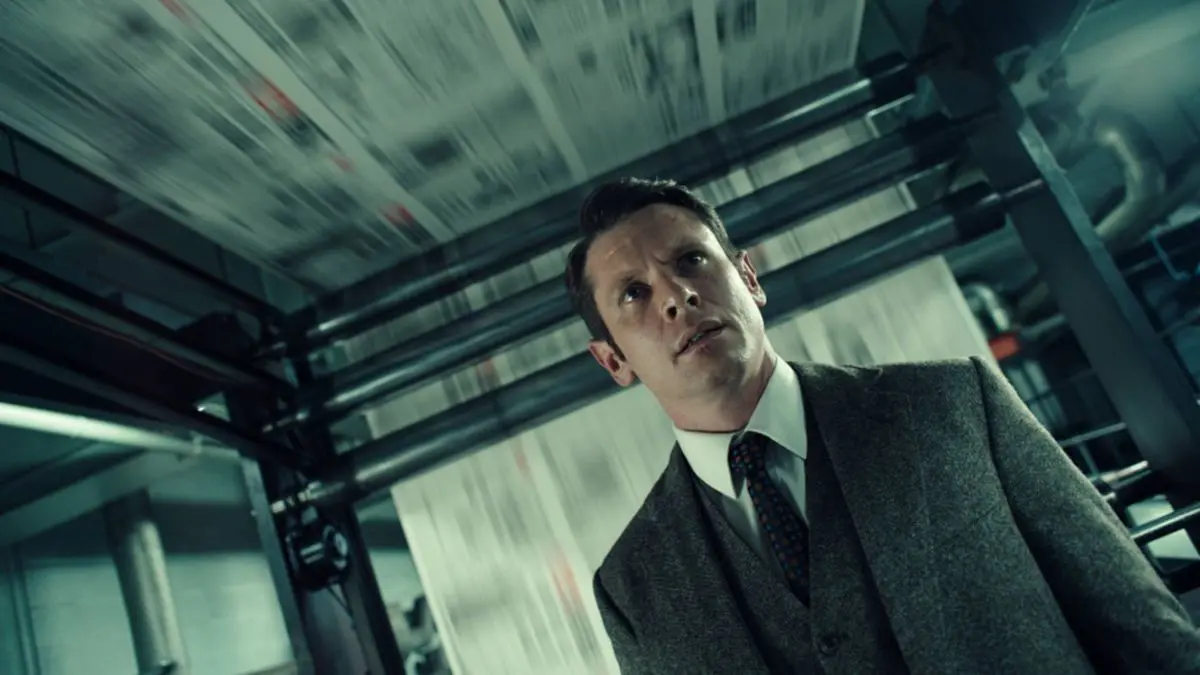
Source: GamesRadar
Boyle Defends AI as a Useful Tool with Ethical Considerations
Addressing the broader debate about the use of AI in filmmaking, Boyle positioned the technology as "a very useful tool, in many ways, provided you use it respectfully, and provided you pay actors if you're going to replace them with some kind of AI embodiments," comparing it to animation projects or part of the VFX toolbox
2
. When asked about his perspective on AI, the director deflected somewhat, stating, "It doesn't really matter what I think about AI, it matters what 20 year olds think about it is the honest truth"1
. However, his emphasis on respectful use and fair compensation for actors suggests an awareness of the ethical considerations surrounding AI in creative industries.Related Stories

Industry Backlash and Questions About VFX Artists
The revelation has triggered significant backlash from audiences and industry observers. Critics have questioned why Boyle couldn't employ traditional VFX studios and human visual effects artists to achieve the same results for animating old photographs or building CGI animals
2
. Notably, while Boyle emphasized the need to compensate actors replaced by AI, he did not address whether VFX artists potentially displaced by generative AI received similar consideration. Fans have expressed disappointment on social media, with comments ranging from "THIS TAKE SUCKS. MAKE REAL THINGS" to "We will be skipping this one!"3
. Many pointed out that 3D animators possess the skills to create high-quality CGI animals and effects, questioning whether using generative AI simply circumvents their expertise.Implications for Hollywood's Approach to AI Transparency
Boyle's candid admission stands in stark contrast to many in Hollywood who refuse to disclose AI use in their productions
1
. This transparency, while potentially controversial, sets a precedent that could influence how the film industry approaches AI disclosure moving forward. As Ink prepares for its U.S. theatrical release on December 11 and its Netflix and UK cinema debut on January 8, the conversation around responsible AI integration in filmmaking continues to evolve. The film, which premiered at both the Venice and Telluride Film Festivals and stars Jack O'Connell as Sun newspaper editor Larry Lamb alongside Guy Pearce as Rupert Murdoch, now serves as a test case for audience acceptance of disclosed AI use in major productions.References
Summarized by

Navi
Related Stories
AI in Film Divides Hollywood as Studios Shift from Clip Generation to Full Production Workflows
19 May 2026•Entertainment and Society
Hollywood reframes AI as infrastructure while studios navigate creative boundaries and job concerns
17 Mar 2026•Technology

Martin Scorsese joins AI startup Black Forest Labs, sparking debate over Hollywood's AI adoption
02 Jun 2026•Entertainment and Society

Recent Highlights



Recent Highlights
Today's Top Stories









Don’t drown in AI news. We cut through the noise - filtering, ranking and summarizing the most important AI news, breakthroughs and research daily. Follow topics that matter to you and stay ahead.


