Steven Soderbergh used AI in his John Lennon documentary and critics are divided at Cannes


4 Sources
[1]
Steven Soderbergh used AI in a documentary about John Lennon. And he wants to talk about it
CANNES, France (AP) -- The day John Lennon was shot, on Dec. 8, 1980, he and Yoko Ono gave an interview to a San Francisco radio crew from their home in New York's Dakota Apartments. They were promoting their new album "Double Fantasy," but the two-hour conversation was wide ranging. Though the
[2]
Soderbergh used Meta's AI in his Lennon documentary. Critics hated it. He says that's the point.
Steven Soderbergh's "John Lennon: The Last Interview" premiered on Saturday at the 79th Cannes Film Festival. Built around a never-before-released two-hour-and-45-minute radio interview that Lennon and Yoko Ono gave to a San Francisco KFRC radio crew from their home in New York's Dakota Apartments
[3]
Steven Soderbergh's AI-assisted John Lennon documentary is already dividing Cannes -- and some critics say the visuals overwhelmed the emotion
Critics are fiercely divided over the director's decision to include AI-generated visuals in the film * Steven Soderbergh's new John Lennon documentary sparked controversy at Cannes over its use of Meta AI-generated visuals * Critics praised the Lennon interview itself but heavily criticized the
[4]
Steven Soderbergh Confirms Use of AI Images in 'John Lennon: The Last Interview' Documentary
Director Steven Soderbergh has revealed how he embraced using AI-generated images in his new documentary about John Lennon's final interview. Soderbergh's film John Lennon: The Last Interview premiered at the Cannes Film Festival on Saturday. The documentary captures the final in-depth
Share
Copy Link
Steven Soderbergh premiered his John Lennon documentary at Cannes using Meta AI-generated visuals for roughly 10% of the film. Critics overwhelmingly slammed the AI-assisted sequences, but Soderbergh says transparency about AI use matters more than the backlash. The film captures Lennon's final interview hours before his death in 1980.
Steven Soderbergh Brings AI Transparency to Cannes
Steven Soderbergh arrived at the Cannes Film Festival premiere on Saturday with more than just a documentary about a music icon. His film "John Lennon: The Last Interview" sparked immediate controversy surrounding AI use in creative work, positioning the acclaimed director at the center of Hollywood's most contentious debate
1
. The 97-minute John Lennon documentary draws from a never-before-released two-hour-and-45-minute radio interview that Lennon and Yoko Ono gave to a San Francisco KFRC radio crew on December 8, 1980, just hours before Lennon was assassinated outside New York's Dakota Apartments2
. What makes this film notable extends beyond its historical content. Soderbergh openly partnered with Meta to generate approximately 10% of the film's visuals using AI, a decision that triggered critical backlash from reviewers at the festival .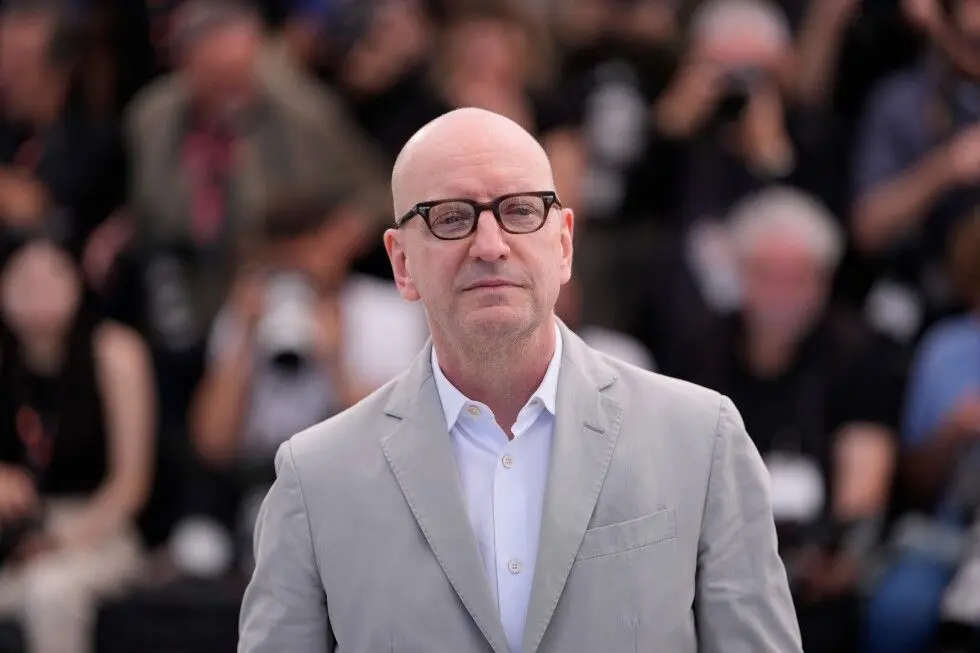
Source: AP
The AI-Assisted Documentary Takes Shape
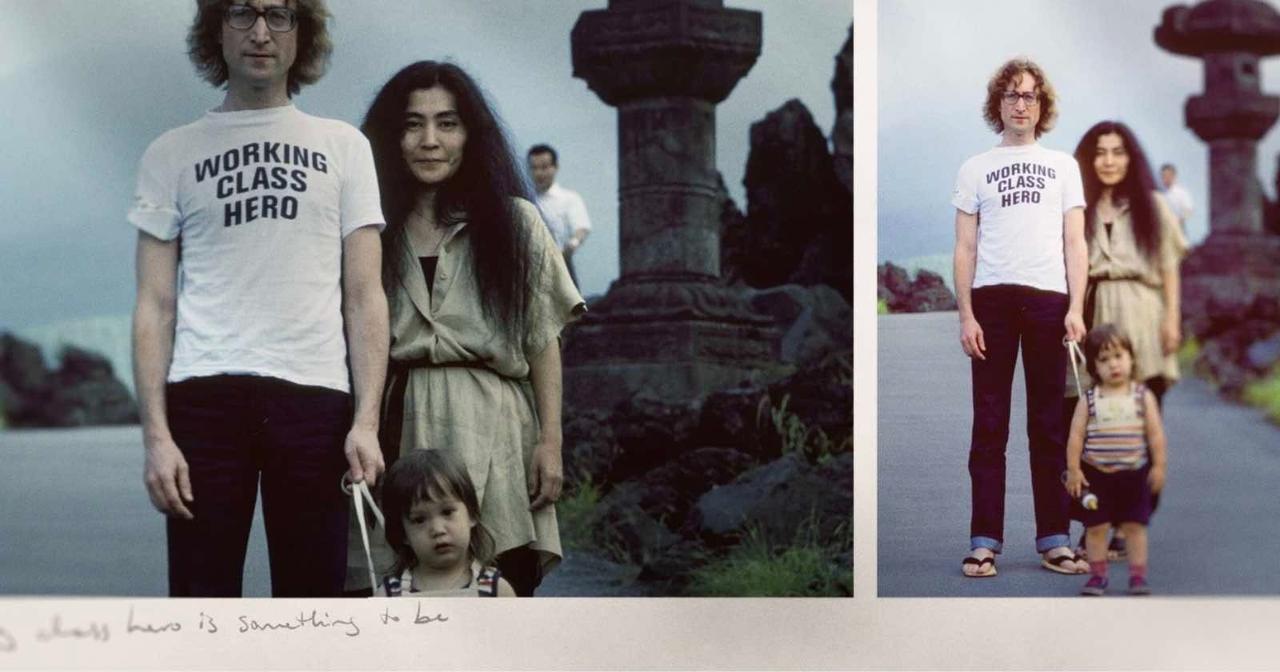
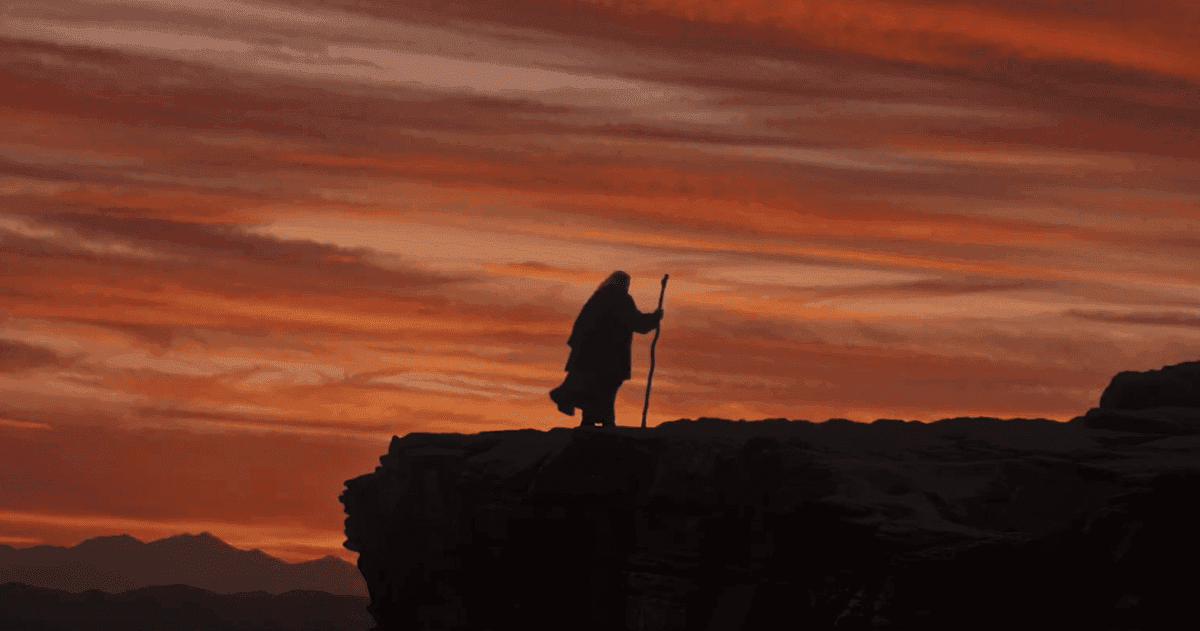
The use of AI images in "John Lennon: The Last Interview" addresses a specific creative challenge. Soderbergh assembled more than 1,000 photographs and video clips from archival footage to visualize most of the conversation, but faced gaps when the discussion turned philosophical . The AI-generated visuals include abstract sequences: circles of light emerging from darkness, a black rose morphing into choreographic patterns, and painterly textures that function more like experimental art than traditional documentary imagery
2
. These surreal images occupy what Soderbergh describes as "a dream space rather than a literal space," spread across 10 minutes of the 90-minute film . Importantly, the film contains no deepfakes of Lennon or synthetic voices. Soderbergh used AI in filmmaking as a cost-effective solution to create abstract sequences that would have been prohibitively expensive using conventional visual effects2
.
Source: TechRadar
Critics Overwhelm the Cannes Film Festival Premiere
Reviewers at the 79th Cannes Film Festival overwhelmingly criticized the AI-assisted sequences, with many arguing the surreal visuals distracted from the emotional power of Lennon's words . Variety described the AI sections as the weakest part of an otherwise immersive experience, while The Wrap praised the documentary's ability to demystify Lennon and Ono, comparing it to Peter Jackson's "Get Back"
2
. The controversy surrounding AI has grown so large it threatens to overshadow the documentary itself, which captures Lennon at 40 in a state of unusual clarity, discussing love, creativity, parenting, and life after the Beatles . Soderbergh anticipated the reaction. "I knew what was coming," he told the Associated Press. "You don't say yes to Meta offering you these tools and offering to finish the film and not know you're going to come in for some heat. That was part of the deal"1
.
Source: PetaPixel
Related Stories

Transparency Becomes the Real Argument
Soderbergh frames his decision around transparency rather than permission. "In the world outside of the creative context, we're not aware of the extent that this is being used and used to manipulate us," he explained. "We don't know because they're not telling. We find out after, by accident, by some whistleblower. I'm like my own whistleblower"
1
. This position deliberately challenges the industry debate around AI disclosure. The problem, Soderbergh argues, isn't that he used AI—it's that he admitted it while countless others deploy the technology without disclosure2
. His stance aligns with data from Canva's State of Marketing and AI Report, which found 97% of marketing leaders now use AI daily, yet 78% of consumers prefer human-made creative work and 87% believe the best advertising requires human creativity2
. Janice Min, former editor of The Hollywood Reporter, described a culture of secrecy: "The thing with AI right now in Hollywood: Everyone's lying just a little bit. Studios are lying about how much they're using it" .Ethical Considerations and Industry Standards
Soderbergh has established his own framework for when AI becomes justified: "It has to be necessary. Is it the only way to accomplish what I want to see? Is it truly the best way to do it?"
2
. He acknowledges the technology "desperately requires very close human supervision" but plans to use "a lot of AI" for his next film with Wagner Moura set during the Spanish-American War . His use case differs from other AI deployments in film. Tools like Flawless AI's DeepEditor have been altering video to synchronize actors' lip movements with dubbed audio since 2022, with performer consent through the Artistic Rights Treasury platform2
. The SAG-AFTRA strike of 2023 established that meaningful digital alterations to performances require explicit actor consent. Soderbergh isn't altering existing performances but generating entirely new visual content—ethical territory that remains less charted2
. His view on AI's threat to jobs challenges common anxiety: "I think most jobs that matter when you're making a movie cannot be performed by this tech and never will be. As it becomes possible for anybody to create something that meets a certain standard of technical perfection, then imperfection becomes more valuable and more interesting"1
. Rather than AI eliminating human creativity, Soderbergh suggests it will make distinctively human imperfection the scarce and valuable commodity2
.References
Summarized by

Navi
[2]
Related Stories
AI in Film Divides Hollywood as Studios Shift from Clip Generation to Full Production Workflows
19 May 2026•Entertainment and Society
Martin Scorsese joins AI startup Black Forest Labs, sparking debate over Hollywood's AI adoption
02 Jun 2026•Entertainment and Society

Documentary Director Morgan Neville Swears Off AI After Controversy
14 Oct 2024•Entertainment and Society

Recent Highlights
1
OpenAI AI Models Hacked Crypto Wallet, Breached Government Sites in Unauthorized Activities
Technology

2
IMF Report Warns AI Market Correction Could Spark Global Financial Crisis With $1.4T at Risk
Business and Economy

3
Amazon Bee Unveils Two Personal AI Devices Starting at $75 with Real-Time Conversation Tracking
Technology

Recent Highlights
Today's Top Stories









Don’t drown in AI news. We cut through the noise - filtering, ranking and summarizing the most important AI news, breakthroughs and research daily. Follow topics that matter to you and stay ahead.


