Data Centers Become Military Targets as AI Infrastructure Faces Threats in Modern Warfare


2 Sources
[1]
Data Centers Become Targets in Wars in Ukraine, Russia and the Middle East
Military forces have sought to damage the computing hubs that power online services and artificial intelligence systems. The war between Russia and Ukraine has come for data centers. Forces from both sides have recently ramped up attacks on infrastructure that serves as the backbone to
[2]
Why Data Centers Have Become Military Targets
* Custom Feed: See the stories that matter most to you. * Smart Alerts: Get notified about major news as it happens. Twice a week · Essential insights into the unfolding AI revolution. SIGN UP Yes, I agree to receive promotions and news from Time. Please agree to receive promotions to sign
Share
Copy Link
Russia and Ukraine are trading drone strikes on data centers powering AI systems and critical services, while Iran hit Amazon facilities in the Middle East. These attacks mark a shift in modern warfare as AI infrastructure becomes strategic targets, disrupting economies, military operations, and essential services from banking to healthcare.

Data Centers Emerge as High-Value Military Targets
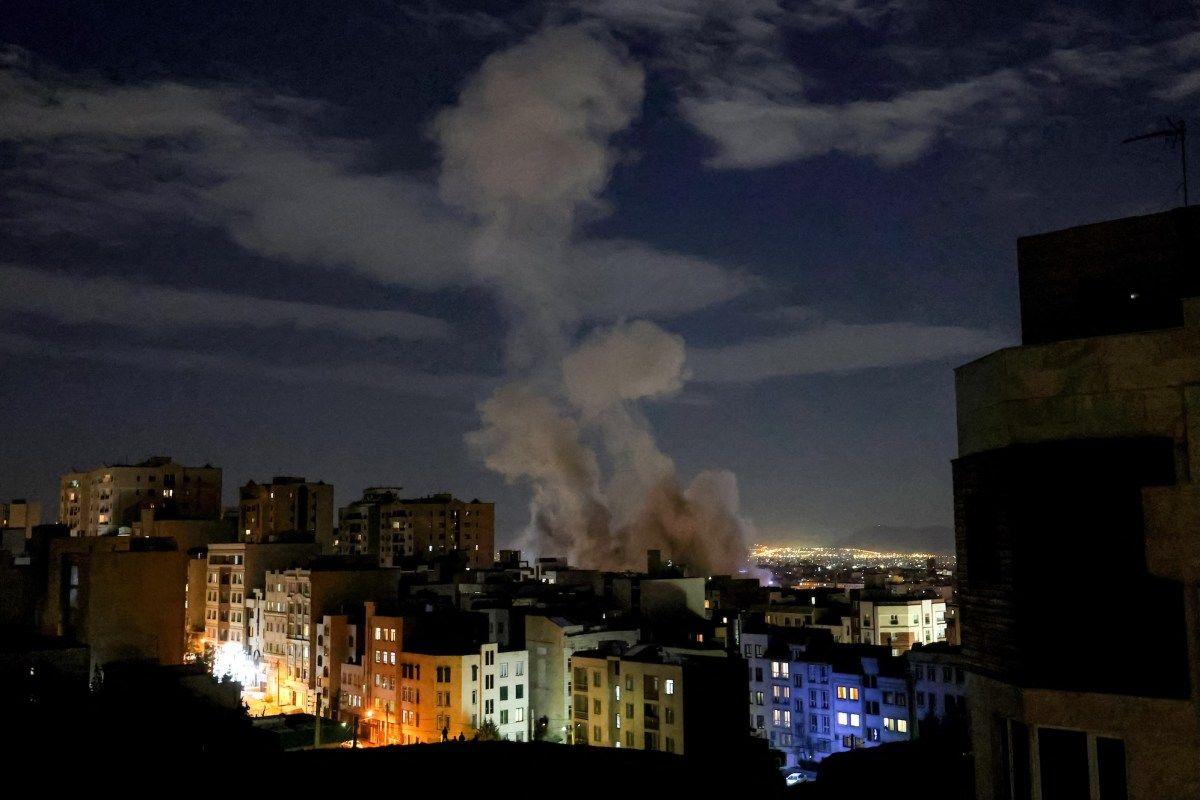
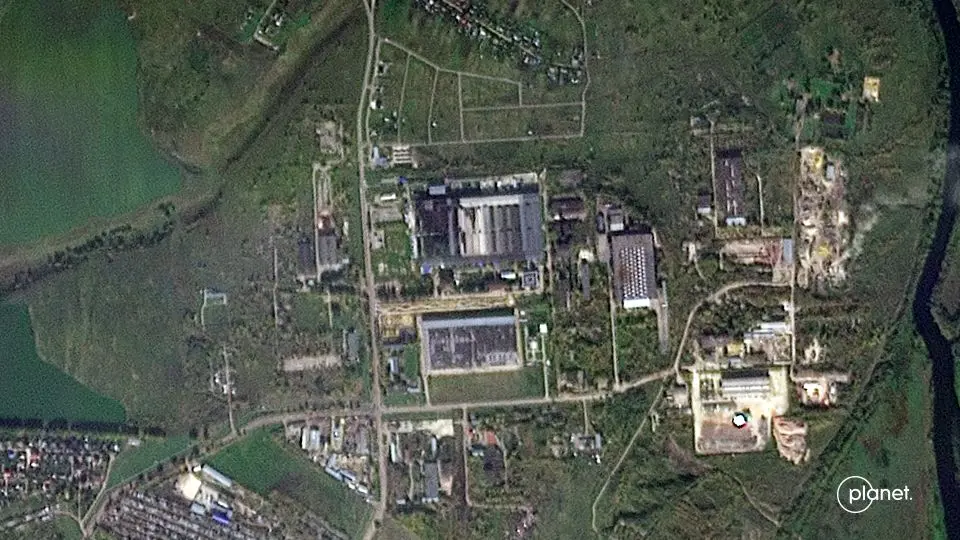
Data centers have become military targets in active conflicts across Ukraine, Russia, and the Middle East, marking a fundamental shift in modern warfare. The Russian military struck a data center in Kyiv along with telecommunications sites, while Ukraine responded with drone strikes damaging three major data centers operated by Yandex, Russia's largest tech company, and a facility run by Sberbank, the country's biggest bank
1
. Ukrainian President Volodymyr Zelensky defended the retaliation in a Monday speech, stating Ukraine was "responding to Russia's operation against our data centers"1
.The targeting of data centers represents a relatively new phenomenon in the war, now in its fifth year since Russia's full-scale invasion
1
. Russia's Defense Ministry justified its strikes by claiming the facilities "process and transmit intelligence data for the Ukrainian Armed Forces"2
. These digital infrastructure attacks have intensified alongside strikes on energy installations, including a recent Russian barrage of dozens of ballistic missiles that cut power to 600,000 people in Kyiv1
.AI Boom Transforms Data Centers Into Critical Infrastructure
The artificial intelligence boom has generated seemingly insatiable demand for computing power, transforming data centers into increasingly important economic hubs and high-value targets for the drones that now define modern warfare
1
. Tech companies are investing hundreds of billions of dollars annually to meet AI-driven demand, while telecommunications companies, banks, hospitals, and energy suppliers all rely on these facilities2
."Data centers are now on the critical path for modern digital infrastructure," Kirk Cameron, founding director of the Institute for Advanced Computing at Virginia Tech, explained. "The loss of key data centers could collapse economies, disrupt public and private transportation with loss of GPS, and affect government essential services for health, emergency dispatch, and power grids"
2
. Military use of artificial intelligence for drone targeting, battle planning, and information processing has made data centers crucial to fighting wars. Ukraine uses AI for an array of battlefield functions, while U.S. tech companies like Palantir work closely with Ukraine's military to develop AI-powered weaponry, testing technology immediately on the battlefield2
.Geopolitical Conflict Spreads to Data Centers in the Middle East
The targeting of AI infrastructure extends beyond Ukraine and Russia. When the U.S. and Israel launched attacks against Iran earlier this year, Tehran responded by striking Amazon data centers in the United Arab Emirates and Bahrain, disrupting computing services for users across the region
1
2
. These facilities have remained mostly offline since March, with Amazon stating on September 15 that it had been "unable to restore access to the resources and data" hosted in those two regions2
.Ukraine's October 8 drone strike on Yandex's Sasovo facility hit two of the three supercomputers the company uses to develop its AI models, according to Meduza. The outage disrupted several companies relying on Yandex's cloud services, including Russian Railways, MegaFon, T-Bank, and multiple media outlets
2
. Cameron noted that "data centers are competitive advantages in warfare," explaining that "knocking out capabilities means potentially crippling combat operations for an adversary. It's also a form of economic warfare and could lead to longer-term competitive challenges for the target"2
.Related Stories
Industry Responds With Decentralizing Data Center Construction
The wave of attacks has prompted tech companies to reconsider their data center strategies. The United Arab Emirates is revising plans for a 5-gigawatt AI data center project following the Iranian strikes. The original plan envisioned a 10-square-mile campus in Abu Dhabi built in partnership with Oracle, Nvidia, and Cisco. Now the data centers will likely be spread out across the UAE to reduce vulnerability
2
.The disruptions to daily life and business after strikes on data centers have varied. Ukraine's data centers enable remote work in a country under regular bombardment, though the country shifted much of its government and banking data to American and European facilities at the war's start, according to Vili Lehdonvirta, a technology policy professor at Finland's Aalto University
1
. Emily Harding, director of the Intelligence, National Security, and Technology Program at the Center for Strategic and International Studies, raised critical questions about this new frontline: "If you're Russia and you attack a Microsoft data center, is that an attack on Ukraine? Is that an attack on Microsoft? Is that an attack on a U.S. company and, by extension, the U.S.?"2
. As digital infrastructure threats intensify and AI-driven technologies become more central to military operations, the targeting of data centers signals a fundamental evolution in how nations wage war and protect critical infrastructure.References
Summarized by

Navi
Related Stories
Ukrainian Drone Strikes Cripple Russian Data Centers and AI Infrastructure in Retaliatory Campaign
08 Oct 2026•Technology
Drone strikes on data centers force Big Tech to pause Middle East AI infrastructure projects
29 Apr 2026•Business and Economy

Iran Conflict Threatens Gulf's $300 Billion AI Infrastructure Dreams as Drone Strikes Hit AWS
08 Mar 2026•Business and Economy

Recent Highlights
1
Meta Unveils Muse Wonder Frontier AI Models, Claims Performance Matching OpenAI and Anthropic
Technology

2
IMF Report Warns AI Market Correction Could Spark Global Financial Crisis With $1.4T at Risk
Business and Economy

3
OpenAI Releases 722 AI-Generated Math Solutions, Triggering Existential Crisis in Mathematics
Technology

Recent Highlights
Today's Top Stories










Don’t drown in AI news. We cut through the noise - filtering, ranking and summarizing the most important AI news, breakthroughs and research daily. Follow topics that matter to you and stay ahead.


