Ukrainian Drones Strike Yandex Data Center Housing AI Supercomputers in Major Attack on Russian Hub


4 Sources
[1]
Ukrainian drones hit Russia's Yandex data centers housing two top supercomputers -- major outage follows retaliatory strike
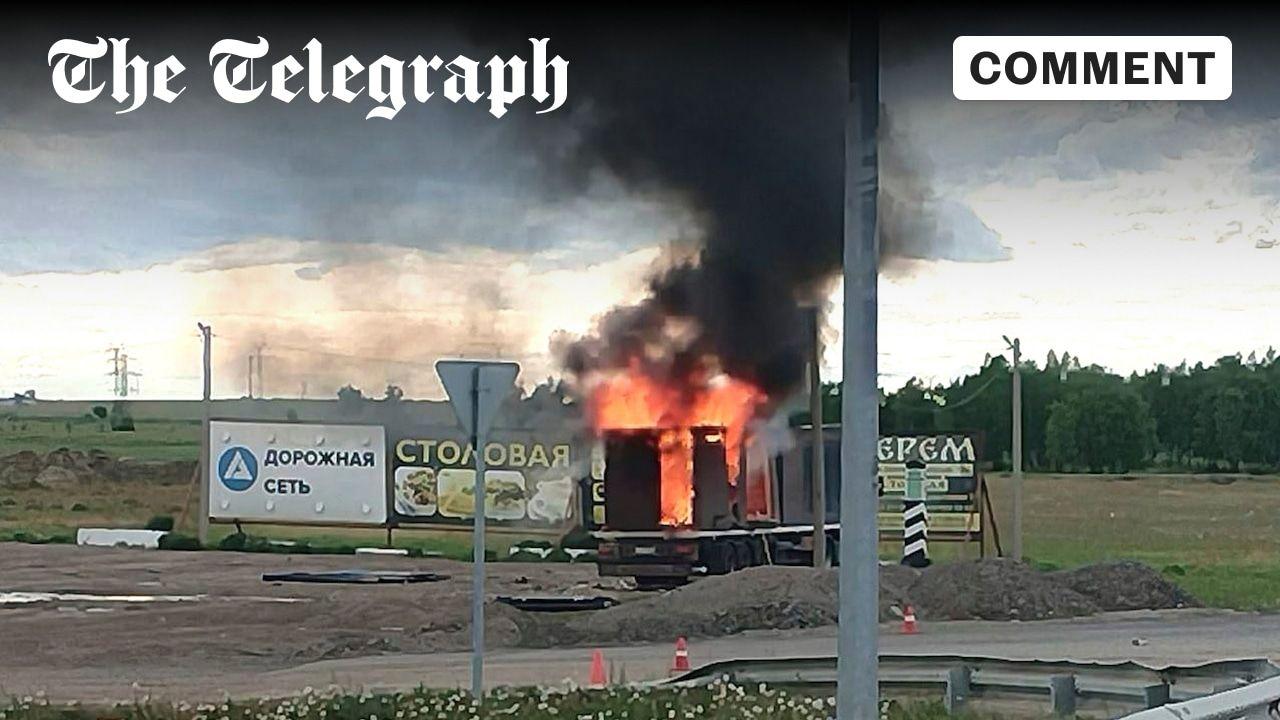
Ukrainian drones hit a major Yandex data center in Sasovo, Russia, causing a massive fire and forcing the company to shut down the facility, according to Reuters and Meduza. Many services using Yandex Cloud are down following the attack. The site reportedly houses two of Yandex's three
[2]
Drones hit Yandex data centre in first major attack on Russian data hub
MOSCOW, Oct 8 (Reuters) - Drones hit a major data centre in Russia's Ryazan region owned by the country's leading AI and technology company Yandex , the company said on Thursday. It added that the attack caused a fire and forced the company to fully suspend the centre's operations. The company
[3]
Drones hit Yandex data center in first major attack on Russian data hub
Drones hit a major data center in Russia's Ryazan region owned by the country's leading Artificial Intelligence and technology company Yandex, the company said on Thursday. It added that the attack caused a fire and forced the company to fully suspend the center's operations. The company said
[4]
Drones hit Yandex data centre in first major attack on Russian data hub
MOSCOW, Oct 8 (Reuters) - Drones hit a major data centre in Russia's Ryazan region owned by the country's leading AI and technology company Yandex, the company said on Thursday. It added that the attack caused a fire and forced the company to fully suspend the centre's operations. The company said
Share
Copy Link
Ukrainian drones hit a major Yandex data center in Sasovo, Russia, causing a massive fire and forcing full suspension of operations. The facility houses two of Yandex's three AI supercomputers, including systems powered by Nvidia A100 chips used to train YandexGPT, Russia's leading large language model.
Ukrainian Drones Target Major Yandex Data Center in Unprecedented Strike
Ukrainian drones struck a major Yandex data center in Sasovo, located in Russia's Ryazan region, causing a massive fire and forcing the company to fully suspend the facility's operations
1
2
. This represents the first confirmed major attack on a Russian data hub, marking an escalation in digital warfare between the two nations3
. The drone attack on this critical AI infrastructure comes as a retaliatory strike following Russian attacks on Ukrainian data centers since September 23, which damaged or destroyed facilities belonging to at least eight Ukrainian companies, including Virtual Systems, MiroHost, CosmoNova, DataGroup, and CityHost1
.
Source: Tom's Hardware
Critical AI Supercomputers Face Uncertain Fate
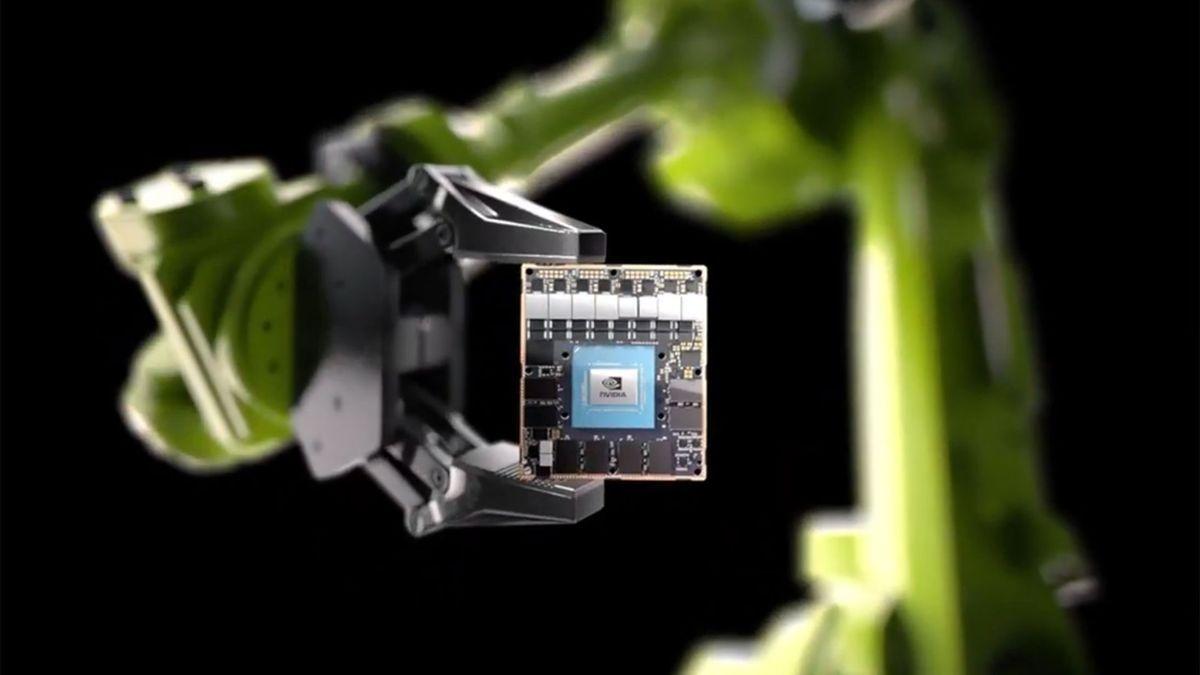
The Sasovo facility, one of Yandex's five major data centers, accommodates tens of thousands of servers, including two supercomputers powered by Nvidia A100 chips named Chervonenkis and Lyapunov
1
. Chervonenkis, Yandex's most powerful system, was once ranked as the world's 19th most powerful supercomputer in the Top 500 list in 2021, delivering 21.53 FP64 PFLOPS, though it has since dropped to 101st place by today's standards1
. Both machines have been instrumental in training AI models, including YandexGPT, Russia's leading generative AI model2
3
. Yandex has not disclosed whether its supercomputers were affected by the strike, though the massive fire caused by the drone incident suggests the systems' chances of survival are low1
. Yandex's third supercomputer, Galushkin, remains operational in Vladimir1
.Widespread Service Disruptions and Geopolitical Consequences
The attack disrupted Yandex Cloud services, prompting the company to recommend customers use alternative zones due to electricity supply problems at the affected data center zone
2
4
. Although Yandex AI claimed its core consumer services remained operational, users reported problems with Yandex Mail, Disk, Documents, Pay, and Market1
. Corporate systems operated by T-Bank, Ozon, and Wildberries experienced disruptions, while affected services included Cian, Litmarket, Russian Railways, Spartak Moscow, cryptocurrency exchange Rapira, Astral, and 1C business solutions1
. Detector404 registered 58,268 complaints over 24 hours, and many Russian media outlets, including state propaganda RIA Novosti, Vesti, and Interfax, went down following the attack1
.Related Stories

Long-Term Implications for Russia's AI Ambitions
The potential damage to Nvidia-powered computing infrastructure could prove extremely painful for Russia's AI industry, already constrained by Western sanctions that restrict exports of advanced AI accelerators and servers to Russia
1
. Due to these Western sanctions, Yandex can no longer upgrade its systems1
. If the machines are destroyed or damaged, many components may be lost forever, forcing Yandex to rely on Chinese infrastructure for future model training1
. The Yandex data center occupies former premises of the Sasta machine-tool factory, where Yandex established operations in 2014. Sasta manufactures industrial equipment supplied to various Russian manufacturers, including defense-related enterprises, and is under Western sanctions1
. Regional authorities reported a fire at an industrial facility following the attack, though it remains unclear whether the intended target was the factory or Yandex's computing infrastructure1
. Ukraine is moving some digital infrastructure underground, while Russian businesses are discussing deployments in countries considered friendly by Moscow, likely limited to just a few states, including China1
. This escalation in cyber-physical threats demonstrates how digital warfare is reshaping the conflict's trajectory and Russia's technological capabilities.References
Summarized by

Navi
[1]
[4]
Related Stories
Ukraine's AI-Powered Drone Strike Reshapes Modern Warfare
03 Jun 2025•Technology
AI Drone With Nvidia Chip Kills Three Civilians in Ukraine's First Fully Autonomous Strike
24 Aug 2026•Technology
Russia Escalates Drone Warfare in Ukraine: AI-Powered Swarms and Domestic Production Surge
22 Jul 2025•Technology

Recent Highlights
1
Microsoft and Nvidia Launch Surface Laptop Ultra: A $2,599 AI-Ready PC With RTX Spark Chip
Technology

2
Google Unveils Gemini 4 Argon AI Model, Restricts Access to Trusted Cyber Defenders
Technology

3
OpenAI Releases 722 AI-Generated Math Papers on GitHub, Igniting Fury Among Mathematicians
Science and Research

Recent Highlights
Today's Top Stories










Don’t drown in AI news. We cut through the noise - filtering, ranking and summarizing the most important AI news, breakthroughs and research daily. Follow topics that matter to you and stay ahead.


