Daydream App Integrates Apple Intelligence to Transform AI Shopping with Camera Roll and Siri


2 Sources
[1]
Fashion app Daydream uses Apple Intelligence to help you shop the outfits in your camera roll
Daydream, an AI-powered fashion discovery app, launched two new features on Monday to let iPhone users turn saved outfit photos into shoppable results and search for clothing and accessories through Siri, without opening the app. The new features were built using Apple's iOS 27 developer tools,
[2]
The Future of Shopping Search Isn't Better Keywords. It's Software That Knows Your Taste
In the fast-moving world of artificial intelligence, Daydream is betting that the next big shift in shopping will look less like search and more like having a personal stylist on call. The AI-powered shopping app, founded in 2024, pulls from more than 10,000 brands and retailers, using
Share
Copy Link
Daydream launched two Apple Intelligence-powered features enabling iPhone users to shop outfits directly from their camera roll and search via Siri using natural-language prompts. Built on iOS 27, the AI-powered fashion discovery app analyzes saved images to surface shoppable results from 3 million products across 10,000 brands, positioning itself as a personal stylist that understands user taste.
Daydream App Launches Apple Intelligence-Powered Shopping Features
Daydream, an AI-powered fashion discovery app, rolled out two features on Monday that leverage Apple Intelligence to transform how iPhone users shop for clothing and accessories
1
. The updates enable users to turn outfit photos saved in their camera roll into shoppable results and conduct searches through Siri without opening the app. Built using Apple's iOS 27 developer tools, these capabilities require an iPhone running iOS 27 with Siri AI enabled and the free Daydream app installed1
.Shopping from Camera Roll with Visual Search Technology
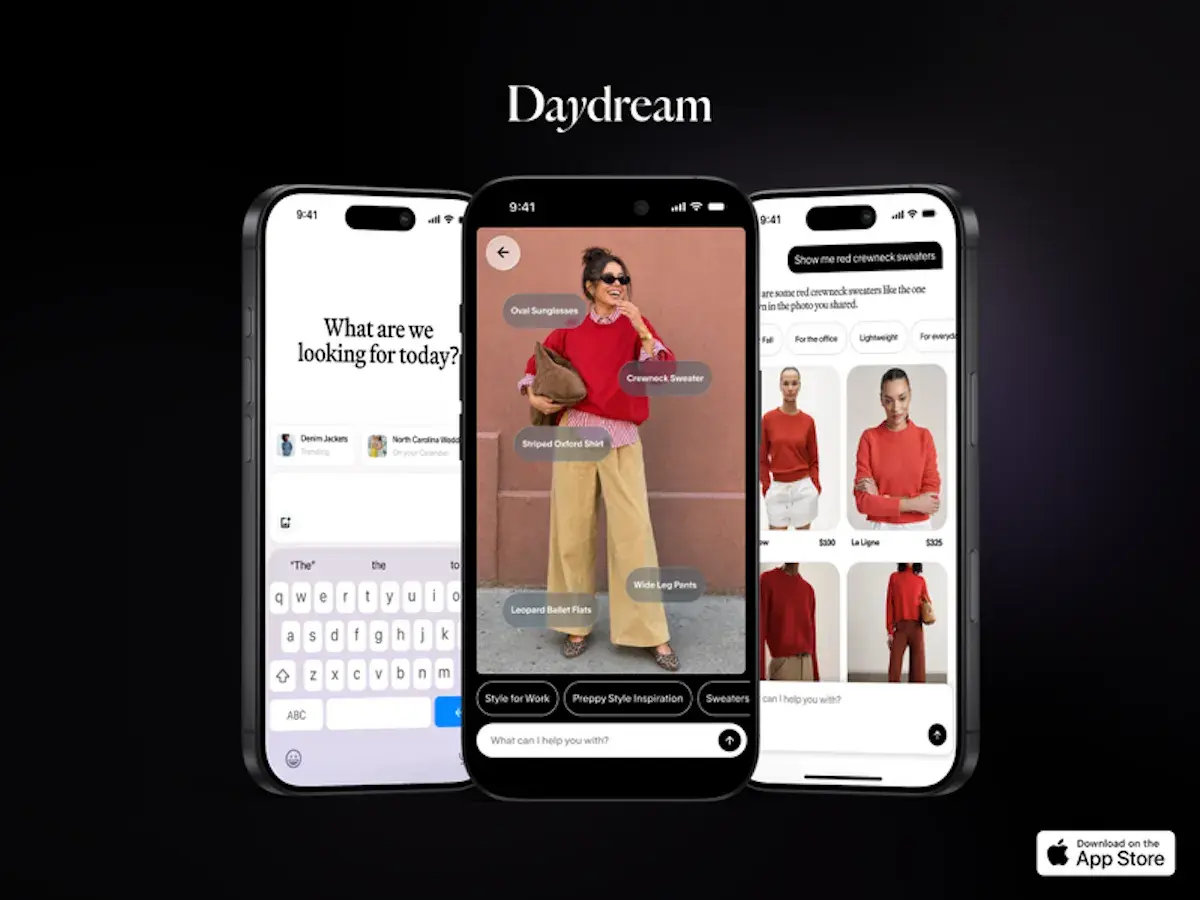
The first feature harnesses Apple's image-context capabilities to let users shop directly from images already stored in their Photos app
1
. Daydream analyzes outfit photos, identifies individual pieces, and automatically surfaces shoppable matches from its catalog of roughly 3 million products. Screenshots from Instagram or Pinterest can become starting points for AI shopping searches, with the app breaking down images into relevant items like sweaters, pants, shoes, or accessories. If the exact item remains available, Daydream matches the image back to the retailer selling it; otherwise, it surfaces similar options1
. The visual search technology also handles variation requests, such as "I like this sweater but want it in red," according to Julie Bornstein, co-founder and CEO of Daydream1
.
Source: TechCrunch
Siri Integration Enables Voice-Activated AI Shopping
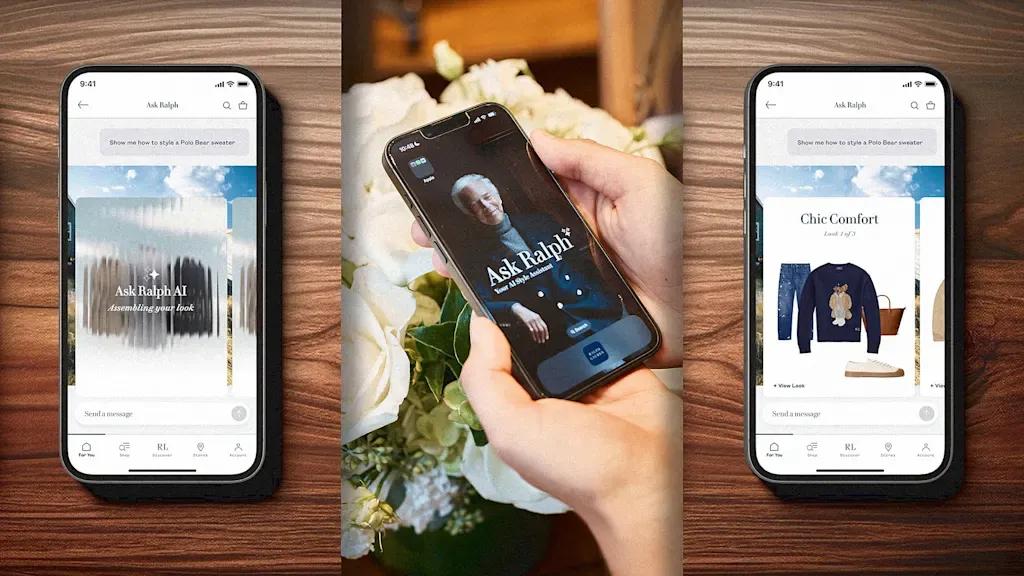
The second feature introduces Siri integration through natural-language prompts, allowing users to make requests by voice commands or text without launching Daydream's app
1
. A user could say, "Hey Siri, search Daydream for a cool blazer for my board meeting on Monday," and receive personalized shoppable results. The experience becomes more tailored when users complete Daydream's "style passport," which captures details including sizes, preferred brands, personal style, and budget1
. Bornstein describes the ideal interaction as asking for something highly specific—like a red lace midi dress for a Valentine's Day party that is "sexy, but not too sexy"—without translating that request into traditional search terms2
.Related Stories


Building a Shopping Agent That Understands User Taste
Daydream positions these features as steps toward creating a comprehensive shopping agent rather than standalone tools
1
. The company, founded in 2024, pulls from more than 10,000 brands and retailers, using natural-language prompts and user behavior to build a personalized style passport2
. The AI-driven personal stylist learns which brands users save, the silhouettes they gravitate toward, and the occasions they shop for, then uses those signals to tailor future recommendations. "This is one step toward the bigger vision, which is a shopping agent that understands someone's style well enough to work across every surface in their life, not just on one surface," Bornstein stated1
. The company expects to keep going deeper into on-device intelligence and further into everyday moments where people already discover things they want1
.Competitive Positioning in AI Shopping Landscape
Daydream joins a growing field of AI shopping tools rethinking product discovery, competing with major players like Google and Amazon, along with smaller competitors such as Onton and Alta
1
. Bornstein, who previously helped build e-commerce businesses at Nordstrom, Sephora, and Stitch Fix, argues that Daydream's fashion category expertise sets it apart1
2
. "Most visual search tools don't have the fashion category expertise, so they return results that don't feel accurate, from brands that aren't credible, or they link you to non-shoppable images," she explained1
. The key differentiator, according to Bornstein, is that Daydream has context about the shopper and can anticipate their taste, serving items that precisely fit their style and preferences2
. Since launching last year, the app has attracted over 1.5 million shoppers browsing products from more than 325 retailers including Anthropologie, Dolce & Gabbana, Uniqlo, J.Crew, Reformation, Gucci, and Nordstrom1
.References
Summarized by

Navi
[1]
Related Stories
Recent Highlights
1
Microsoft and Nvidia Launch Surface Laptop Ultra: A $2,599 AI-Ready PC With RTX Spark Chip
Technology

2
Trump Consulted Grok AI Before Ordering Venezuela Invasion and Capture of Nicolás Maduro
Policy and Regulation

3
Scientists Build AI Model That Reconstructs Images From Brain Scans in Record Time
Science and Research

Recent Highlights
Today's Top Stories







Don’t drown in AI news. We cut through the noise - filtering, ranking and summarizing the most important AI news, breakthroughs and research daily. Follow topics that matter to you and stay ahead.


