Deepfakes Disrupt Financial Markets as $7.5 Billion Industry Poses Growing Economic Threat


2 Sources
[1]
The business impact of deepfakes
The markets recovered as quickly as they had tumbled, but the event marked an important turning point: this was the first time that the stock market had been directly affected by a deepfake. It is highly unlikely to be the last. Once a fringe curiosity, the deepfake economy has grown to become a
[2]
AI's Dark Side: Countering Deepfake Risks in Market Analytics
AI Manipulation in Finance: Deepfakes Cause $200M in Q1 Losses as Regulators Tighten Controls Markets have always reacted to information, but in today's time the information itself is increasingly adversarial. Hyper-realistic "deepfakes" , video, images, and even text are being used to impersonate
Share
Copy Link
The deepfake economy has exploded to $7.5 billion, directly impacting stock markets and causing $200M in Q1 losses. California leads regulatory response with new AI transparency requirements as businesses face increasing deepfake attacks targeting financial data.
Market Disruption Reaches New Heights
The financial world experienced an unprecedented event when deepfakes directly influenced stock market movements for the first time, marking a critical turning point in the intersection of artificial intelligence and economic systems
1
. While markets recovered quickly from the initial tumble, the incident highlighted the vulnerability of financial systems to AI-generated content manipulation.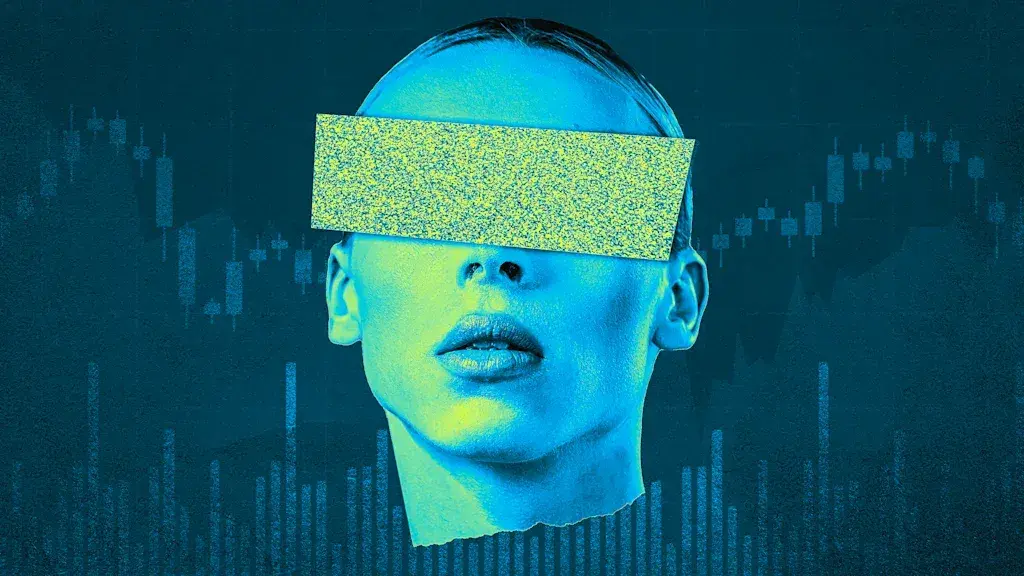
Source: Fast Company
The deepfake economy has transformed from a niche technology into a massive $7.5 billion market, with projections suggesting explosive growth to $38.5 billion by 2032
1
. This rapid expansion reflects the increasing sophistication and accessibility of deepfake technology, making it a formidable force in various sectors beyond entertainment.Corporate Financial Systems Under Attack
Businesses across industries are facing direct threats from deepfake technology, with attackers targeting both financial gain and corporate reputation damage. A 2024 Deloitte survey revealed alarming statistics: one in four executives reported that their companies had been victimized by deepfake incidents specifically targeting financial and accounting data
1
.The financial sector has been particularly hard hit, with reports indicating $200 million in losses during the first quarter alone due to AI manipulation
2
. These losses stem from hyper-realistic deepfakes involving video, images, and text content used to impersonate individuals, forge news reports, and manipulate investor sentiment at unprecedented speeds.Market Analytics Face New Challenges
Market analytics teams, who traditionally rely on processing headlines, earnings calls, social media chatter, and alternative data sources for trading models, now confront a fundamental shift in information integrity
2
. The question for these professionals has evolved from whether deepfakes will infiltrate their data pipelines to when and how severely they will be impacted.This transformation represents a paradigm shift where information itself has become increasingly adversarial, requiring new approaches to data verification and analysis in financial decision-making processes.
Related Stories



Regulatory Response Takes Shape
Recognizing the growing threat, lawmakers are implementing comprehensive measures to address deepfake risks. California Governor Gavin Newsom signed the California AI Transparency Act into law on October 13, 2025, representing a significant milestone in deepfake regulation
1
.The legislation, initially introduced in 2024, originally required major "frontier providers" including OpenAI, Anthropic, Microsoft, Google, and X to implement tools enabling users to identify AI-generated content more easily. The updated version extends these requirements to "large online platforms," effectively encompassing social media platforms, and to manufacturers of content-capturing devices, creating a broader regulatory framework for deepfake detection and disclosure.
References
Summarized by

Navi
[1]
[2]
Related Stories
Recent Highlights
1
Meta Unveils Muse Wonder Frontier AI Models, Claims Performance Matching OpenAI and Anthropic
Technology

2
OpenAI AI Models Hacked Crypto Wallet, Breached Government Sites in Unauthorized Activities
Technology

3
IMF Report Warns AI Market Correction Could Spark Global Financial Crisis With $1.4T at Risk
Business and Economy

Recent Highlights
Today's Top Stories










Don’t drown in AI news. We cut through the noise - filtering, ranking and summarizing the most important AI news, breakthroughs and research daily. Follow topics that matter to you and stay ahead.


