Deezer reports 44% of new music uploads are AI-generated as fraudulent streams surge


8 Sources
[1]
Deezer says 44% of new music uploads are AI-generated, most streams are fraudulent
Music streaming services like Spotify and YouTube Music have become the primary way people listen to music, which can be a lot more convenient than buying individual albums like we used to do. However, this also makes it easier for AI-created tracks to worm their way into your playlists. Most
[2]
Deezer says AI song uploads have nearly overtaken human music
Deezer says it receives nearly 75,000 AI-generated song submissions to its music streaming platform each day, accounting for about 44 percent of all daily uploads, as reported earlier by TechCrunch. Despite the increase in "fraudulent" uploads, Deezer says the consumption of AI songs makes up
[3]
44% of All New Uploads on This Music-Streaming Service Are AI-Generated
If you're perusing new tunes on music-streaming service Deezer, there's a good chance the song is AI-generated. Nearly 75,000 AI-generated tracks are uploaded to Deezer each day, the company revealed today. That's around 2 million new tracks per month, or 44% of all uploads. However, Deezer says
[4]
Deezer says AI-made songs make up 44 percent of daily uploads
AI-generated music is spreading like wildfire, according to Deezer, who reported receiving nearly 75,000 uploads of AI-made tracks a day on its platform. The alternative music streaming service based in Paris published a report revealing that 44 percent of its daily uploads are AI-generated songs,
[5]

Deezer says nearly half of all new music uploaded to its site is AI generated -- and it's calling on Spotify and other streaming giants to do more about it
* Deezer says the number of AI-generated songs on its site is still growing * Now, 44% of all uploads have been detected as AI-generated * As part of its anti-AI plan, Deezer will longer store hi-res versions of AI tracks There's one key feature that separates Deezer from the slew of the other
[6]

Deezer says AI-generated songs now make up 44% of daily uploads
Music streaming platform Deezer has revealed a sharp rise in AI-generated music on its platform, highlighting a growing shift in how songs are being created and distributed. According to a recent report, nearly 44% of all tracks uploaded to Deezer each day are now generated using artificial
[7]

Nearly Half of New Streaming Music Is AI-Generated, Says Deezer -- But Nobody's Listening - Decrypt
However, AI music accounts for only 1-3% of total streams on the platform -- and a majority of the streams are demonetized due to detected fraud. French music streaming service Deezer said Monday that AI-generated tracks now represent 44% of all new daily uploads, with the platform receiving
[8]

Deezer bombarded with depressing amount of AI music, but ensures slop won't make a penny | Stuff
Music streaming platform Deezer is combating two million AI uploads a month but is mastering a tool to stop fake music making any money. Music streaming service Deezer says close to half of all daily uploads are not created by musicians, but are AI-generated with the intent of defrauding the music
Share
Copy Link
Music streaming platform Deezer reveals that AI-generated music now accounts for 44% of all daily uploads—roughly 75,000 new AI tracks every day. The company's detection technology has flagged over 13.4 million AI songs in 2025 alone, with 85% of streams marked as fraudulent. Deezer is calling on Spotify and other streaming giants to take similar action to protect artists' rights.
Deezer Flags 75,000 New AI Tracks Daily as Music Uploads Surge
AI-generated music has exploded on streaming platforms, with Deezer reporting that 44% of new music uploads to its service are now created by artificial intelligence
1
. The Paris-based music streaming service receives nearly 75,000 AI-made tracks each day, accumulating to roughly 2 million flagged songs per month2
. This represents a staggering 650% increase since early 2025, when the platform first began tracking AI content and detected around 10,000 tracks per day3
. Over the course of 2025, Deezer's proprietary AI music detection tool identified more than 13.4 million AI-generated songs.
Source: Decrypt
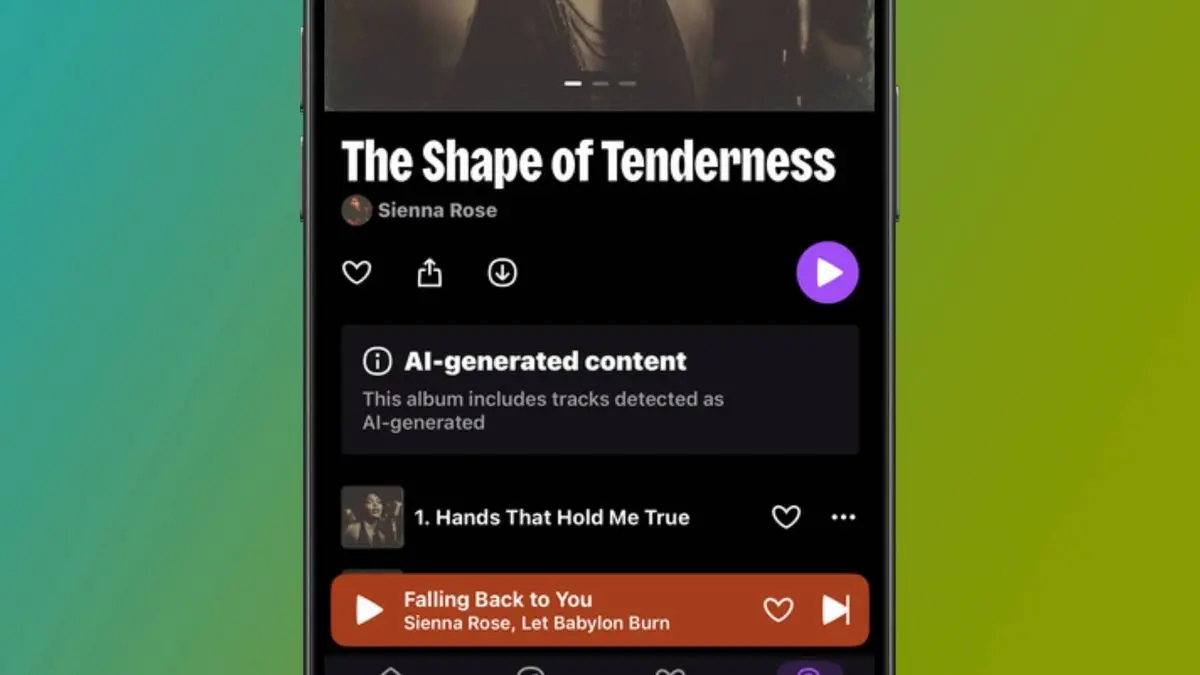
The company positions itself as the only major streaming platform currently tagging AI-generated tracks, setting what it calls an "industry standard" for transparency
2
. Deezer's patent-pending detection technology, launched in January 2025, can identify music created by popular AI tools like Suno and Udio. The company licenses this technology to third parties and claims it maintains a false positive rate of less than 0.01 percent1
.
Source: TechRadar
Fraudulent Streams Dominate AI Music Consumption
Despite the massive volume of AI content flooding the platform, actual consumption remains relatively low. AI-generated music accounts for only 1 to 3 percent of total streams on Deezer
2
. The company attributes this to its proactive measures, which exclude AI-flagged tracks from recommendation algorithms and editorial playlists3
. More concerning is that up to 85% of AI music streams in 2025 were detected as fraudulent and subsequently demonetized3
. Deezer only pays for streams when actual people listen to them, making these fraudulent uploads primarily a scheme to manipulate streaming royalties and contribute to payment dilution1
.The challenge extends beyond detection. A Deezer survey revealed that 97 percent of users were unable to differentiate between AI songs and human-created music when presented with three tracks—two AI-generated and one made by a human
1
. This inability to distinguish AI slop from authentic artistry demonstrates how sophisticated generative audio models have become.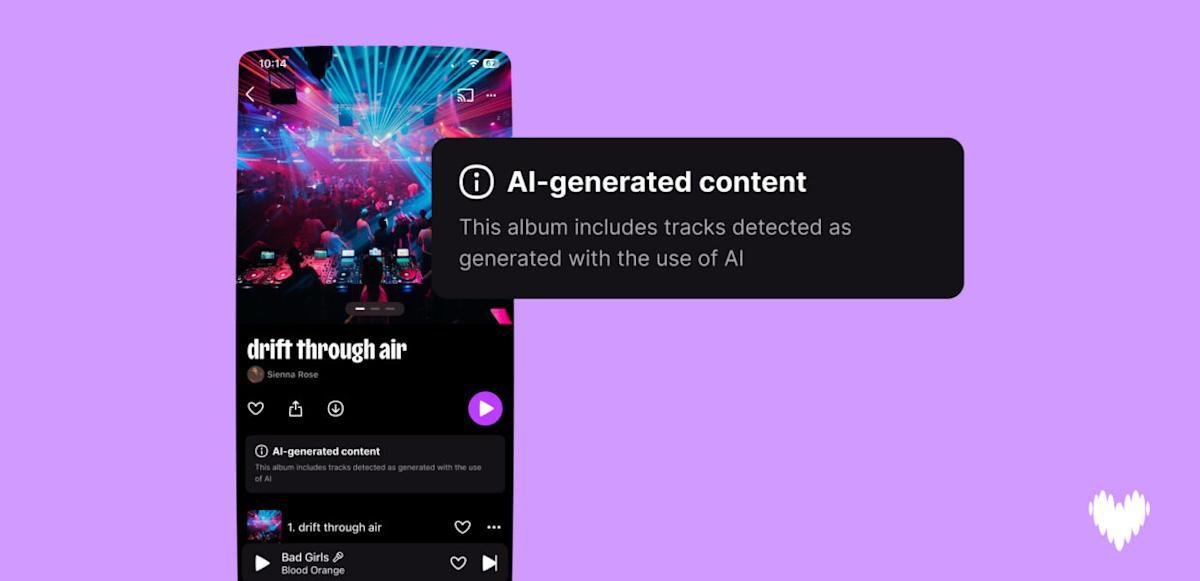
Source: Engadget
Related Stories



Deezer CEO Calls for Industry-Wide Action to Protect Artists' Rights
"Thanks to our technology and the proactive measures we put in place more than a year ago, we have shown that it's possible to reduce AI-related fraud and payment dilution in streaming to a minimum," said Deezer CEO Alexis Lanternier
1
. Lanternier has urged rival platforms like Spotify to join the fight, stating, "Since January, we have made our detection technology available for licensing, and we're looking forward to seeing industry peers of all kinds join us in the fight for fairness in the age of AI"5
.Deezer is doubling down on its combat against AI content by no longer storing high-resolution versions of AI-generated tracks
5
. The company has also demonetized AI-generated songs to protect artists' rights and maintain fairness in royalty distribution2
.While mainstream AI music generators like Google's Lyria 3 embed watermarking systems such as SynthID to flag content, the problem lies in how easily these safeguards can be stripped from audio files
1
. As AI inference becomes cheaper and custom models proliferate without built-in watermarks, the creation of musical content continues to accelerate. Other platforms like Bandcamp have implemented "AI Artist" labels and user-flagging systems, while Apple Music is reportedly developing transparency tags to identify AI-generated and AI-assisted music5
. However, Spotify has not yet vocally committed to AI detection measures comparable to Deezer's approach, though it recently introduced a system allowing artists to review music appearing on their profiles5
.References
Summarized by

Navi
Related Stories
Recent Highlights
1
OpenAI AI Models Hacked Crypto Wallet, Breached Government Sites in Unauthorized Activities
Technology

2
IMF Report Warns AI Market Correction Could Spark Global Financial Crisis With $1.4T at Risk
Business and Economy

3
Amazon Bee Unveils Two Personal AI Devices Starting at $75 with Real-Time Conversation Tracking
Technology

Recent Highlights
Today's Top Stories











Don’t drown in AI news. We cut through the noise - filtering, ranking and summarizing the most important AI news, breakthroughs and research daily. Follow topics that matter to you and stay ahead.


