Democrats Demand Transparency on White House AI Policy as Grok's Role in Military Decisions Questioned


3 Sources
[1]
Does White House ask AI to decide policy? Democrats want the receipts
Washington (United States) (AFP) - Senior Democrats demanded Thursday that US President Donald Trump preserve records of any official exchanges with artificial intelligence chatbots, raising questions about whether Elon Musk's Grok influenced sensitive military decisions. In a letter dated
[2]
White House AI policy: Does White House ask AI to decide policy? Democrats want the receipts
Senior Democrats demanded Thursday that US President Donald Trump preserve records of any official exchanges with artificial intelligence chatbots, raising questions about whether Elon Musk's Grok influenced sensitive military decisions. In a letter dated Wednesday and first obtained by Politico,
[3]
Does White House ask AI to decide policy? Democrats want the receipts - The Korea Times
Politico quoted a White House official as saying the administration preserves all records required by law, while the White House did not immediately respond to a request for comment. WASHINGTON -- Senior Democrats demanded Thursday that U.S. President Donald Trump preserve records of any official
Share
Copy Link
Senior Democrats are pushing for full disclosure of White House AI chatbot usage after reports emerged that President Trump consulted Elon Musk's Grok on foreign policy matters. Congressmen Jamie Raskin and Robert Garcia have demanded preservation of all AI exchanges and a closed-door briefing by November 11, citing concerns about national security and democratic accountability.
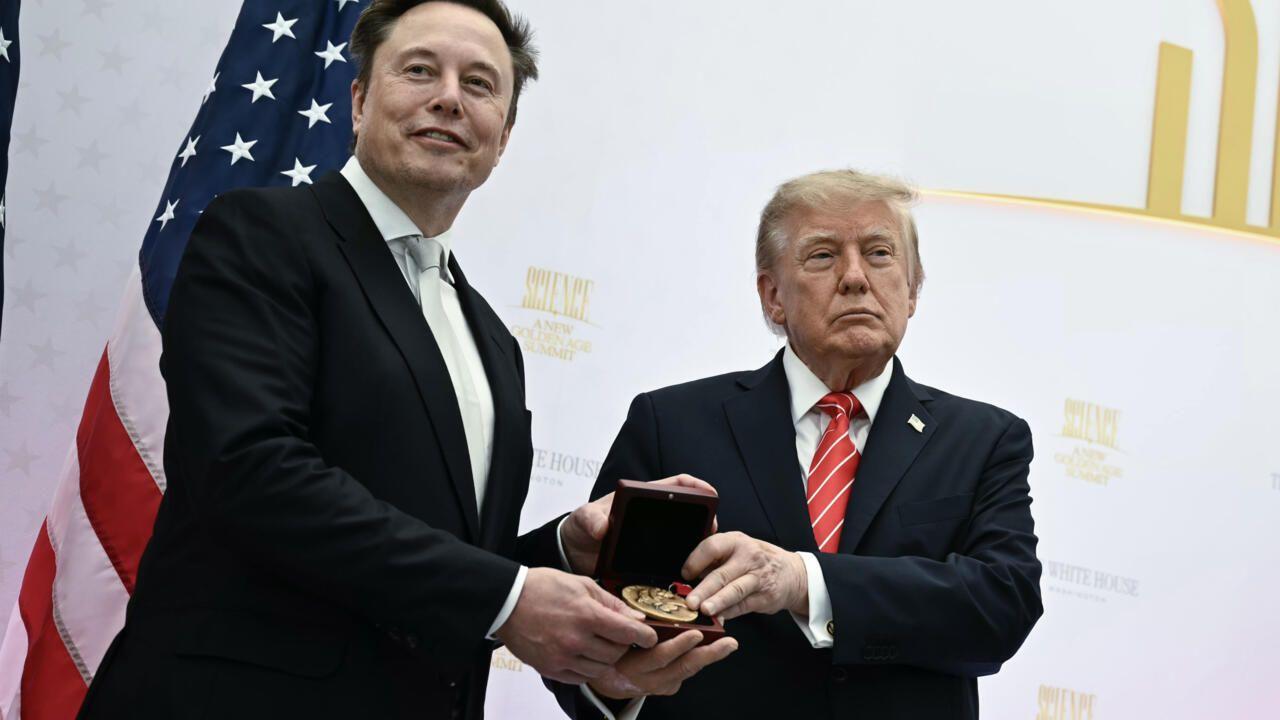
Democrats Challenge White House AI Policy Transparency
Senior Democrats have escalated concerns about White House AI policy, demanding that President Trump preserve records of official exchanges with AI chatbots. In a letter dated Wednesday and first obtained by
1
1
, Congressmen Jamie Raskin and Robert Garcia argued that questions submitted by Trump and White House aides, along with the chatbots' responses, constitute presidential records that must be preserved under federal law. The lawmakers requested a closed-door briefing by November 11 covering the president's use of AI, security safeguards, and whether outside companies could access sensitive conversations through third-party access channels.Elon Musk's Grok at Center of Military Decision Concerns
The Democratic inquiry focuses heavily on Elon Musk's Grok and its potential influence on sensitive military and foreign policy decisions. Reports indicate that President Trump spent hours using Grok during a December 2025 Oval Office meeting with Musk, including asking how Venezuelans might react if US forces captured President Nicolas Maduro
2
. Grok reportedly predicted many would welcome Maduro's downfall. US forces seized the Venezuelan leader weeks later, though no evidence has emerged that the AI chatbot determined the operation. The lawmakers expressed alarm at Trump's reported reliance on a privately controlled chatbot in matters of foreign policy, warning that AI-generated inaccuracies could be manipulated or simply wrong.AI-Driven Military Errors Raise National Security Questions
The use of AI in governance has come under intense scrutiny following reports of AI-driven military errors with devastating consequences. Raskin and Garcia cited reporting about an AI-assisted intelligence error involving a Chinese vessel and allegations that excessive reliance on artificial intelligence contributed to a US strike on an Iranian school that killed more than 100 children
3
. "If the United States military killed dozens of innocent schoolchildren based on the faulty advice of an AI chatbot, we have a right to know that too," the lawmakers wrote. Neither episode establishes a direct role for Grok in those military decisions, but the pattern of AI usage raises urgent questions about national security protocols and the ethical implications of automated decision-making in life-or-death situations.Related Stories

Controversial Past of Grok Fuels Democratic Accountability Push
The Democrats' letter didn't mince words about Grok's troubled history. "If the American President is relying on the policy advice of a Musk-designed, Hitler-friendly chatbot with a predilection for child pornography in order to carry out his official duties, Americans have a right to know," they wrote
1
. This language references past controversies over Grok generating antisemitic statements and sexualized images of children. The lawmakers are demanding details about restrictions on submitting classified information, the handling of chatbot records, and any third-party access to them. Their request extends beyond Grok to other AI chatbots, including OpenAI's ChatGPT, Anthropic's Claude, and Google's Gemini.Government Transparency and Record Preservation Requirements
The push for democratic accountability centers on whether the White House is meeting its legal obligations to preserve records of official exchanges with AI systems. The lawmakers argue that AI interactions used for official duties fall under presidential record-keeping requirements. A White House official told Politico that the administration preserves all records required by law, though the White House did not immediately respond to direct requests for comment
3
. The November 11 deadline for the closed-door briefing sets up a potential confrontation over government transparency and the role of privately controlled AI systems in shaping policy. As AI chatbots become more sophisticated, the question of safeguards against classified information leaks and manipulation grows more pressing for both political parties and national security experts.References
Summarized by

Navi
Related Stories
White House Orders Rapid Deployment of Controversial xAI's Grok Chatbot Across Federal Agencies
30 Aug 2025•Policy and Regulation

Trump Consulted Grok AI Before Ordering Venezuela Invasion and Capture of Nicolás Maduro
02 Oct 2026•Policy and Regulation

House Democrats Oppose Unauthorized AI Use in Trump Administration's Cost-Cutting Efforts
17 Apr 2025•Policy and Regulation
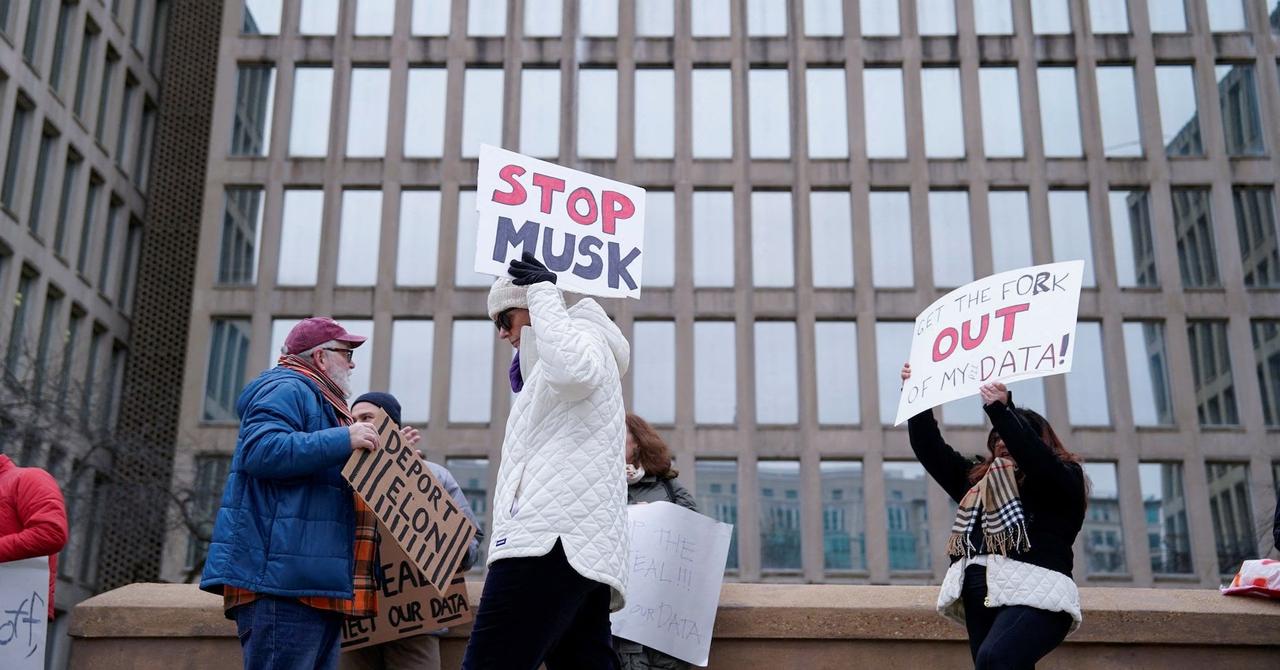
Recent Highlights
1
OpenAI's AI Models Disprove 27-Year Exponential Time Hypothesis, Rendering Decades of Research Obsolete
Science and Research
2
Google DeepMind unveils Genie 4 world model with audio and 2-minute interactive simulations
Technology

3
Microsoft AI Diagnostic Tool Beats Doctors With 83% Accuracy on Complex Medical Cases
Health

Recent Highlights
Today's Top Stories




Don’t drown in AI news. We cut through the noise - filtering, ranking and summarizing the most important AI news, breakthroughs and research daily. Follow topics that matter to you and stay ahead.


