Developer Creates Spoof Program That Emails Your RAM Usage to Sam Altman After Controversial Comments


2 Sources
[1]
Spoof program monitors and emails your RAM usage to Sam Altman if under 90% utilization -- 'RAM-Altman' logs usage and 'reports' you for wasting memory
Free Bash script files your details, rotating through eight subject lines, 10 humorous message boilerplates, and six signoffs. A new GitHub repository dubbed ram-altman features a script to monitor your PC's RAM usage and report back to the eponymous OpenAI boss. Sam Altman infamously described
[2]
Tongue-in-cheek app 'writes to Sam Altman once a day to report the RAM he missed' in your PC, following OpenAI CEO's recent blunder
'Ram Altman' lets the CEO know how much RAM is sitting unused in your PC * A new Linux script called 'Ram Altman' is a tongue-in-cheek creation * It emails Sam Altman with a report of the unused RAM in your PC, also known as the RAM he missed out on * The joke follows a controversial comment
Share
Copy Link
A developer created ram-altman, a tongue-in-cheek app that monitors and reports underutilized RAM to OpenAI CEO Sam Altman. The Bash script emerged after Altman called spare DRAM in home computers "quite terrible," sparking backlash about PC component inflation driven by AI demand.
Developer Responds to Controversial RAM Comments
A new GitHub repository called ram-altman features a script designed to monitor PC RAM usage and report underutilized memory directly to OpenAI CEO Sam Altman
1
. Developer Iain Kay created this tongue-in-cheek app following Altman's controversial statement on a recent podcast, where he described people having spare DRAM in computers at home as "quite terrible"2
. The Bash script checks system memory every five minutes and emails a summary once daily if RAM usage falls below 90% utilization1
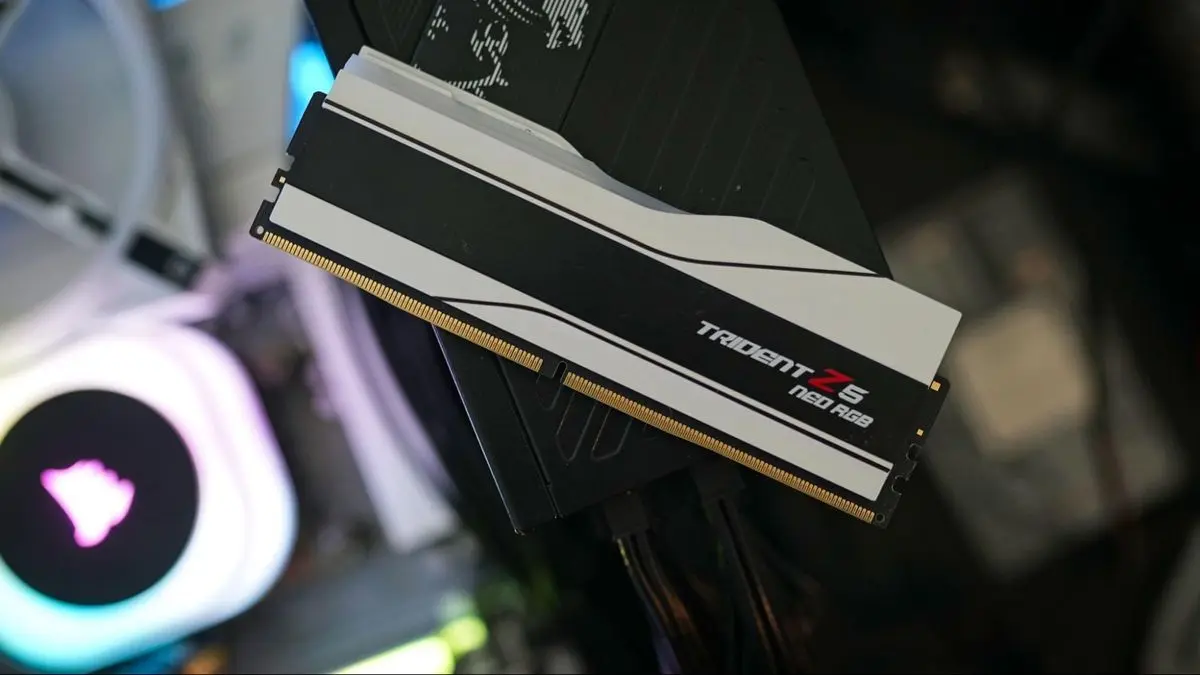
.
Source: Tom's Hardware
How the Spoof Program Monitors RAM
The ram-altman script leverages the MemAvailable query, which returns the kernel's estimate of how much memory programs can claim without swapping
1
. When installed on Linux systems, it generates CSV file logs throughout the day tracking total, used, and available RAM. These logs form the data source for composing summary emails that rotate through eight subject lines, 10 humorous message boilerplates, and six signoffs to ensure "the joke gets old at a carefully managed pace"2
. A sample email reads: "Please don't be alarmed, but there is 8.6 GiB of RAM on my desk that isn't in a data center. That's 56.2% of what's installed here, and as far as I can tell it has no plans today"2
.Platform Compatibility and Usage
The Linux script runs natively on Linux systems, while Windows users can utilize WSL or a PowerShell port
1
. Mac compatibility remains limited due to soldered-down Apple RAM. Kay clarifies that "the memory accounting is" serious, but "the correspondence isn't," and the script doesn't include Altman's actual email address1
. Users can run tests without sending emails using the terminal command: bash ram-altman.sh --dry-run. No email is sent if less than 10% of system RAM remains free, as Kay judges the machine has "suffered enough"2
.Related Stories

Context Behind the Controversy
Sam Altman's original comment emerged during a podcast discussion about local AI models versus cloud-based LLMs like ChatGPT. The OpenAI CEO later clarified his remarks were taken out of context, explaining he specifically meant people running local AI models using substantial RAM rather than utilizing data centers
2
. Altman even changed his display name to 'Ram Altman' on X following the backlash, which inspired Kay's naming choice for the script1
. However, the broad phrasing provoked significant anger given current PC component inflation driven by AI demand, with critics questioning why OpenAI leadership would comment on consumer hardware usage while reportedly stockpiling components in warehouses2
.
Source: TechRadar
Implications for AI Leadership and Consumer Relations
This incident highlights growing tensions between AI leadership and everyday users regarding hardware accessibility. The ram-altman script represents more than humor—it reflects frustration over how AI companies influence component availability and pricing. Watch for how tech CEOs navigate public statements about consumer hardware as competition intensifies between cloud-based and local AI models. The controversy underscores the delicate balance AI companies must maintain between promoting their cloud services and respecting users who prefer running models locally on their own machines with underutilized RAM.
References
Summarized by

Navi
[1]
Related Stories
Sam Altman Backtracks on RAM Shortage Comments After Public Outcry Over AI Data Centers
30 Oct 2026•Entertainment and Society
Google's TurboQuant slashes AI memory needs by 6x, sending memory chip stocks tumbling
26 Mar 2026•Technology

Sam Altman Visits South Korea to Secure Memory Chips as AI Data Centers Face Crushing Shortages
31 Oct 2026•Business and Economy

Recent Highlights
1
Anthropic AI Development Doubles Speed as Self-Improving Systems Near Breakthrough
Technology

2
Google's AI Policy Forces Schools to Accept AI Overviews or Lose Search Access Entirely
Technology

3
Nvidia Opens Investigation as Jensen Huang Faces Chinese Spy Allegations Linked to $2B Chip Smuggling
Policy and Regulation

Recent Highlights
Today's Top Stories








Don’t drown in AI news. We cut through the noise - filtering, ranking and summarizing the most important AI news, breakthroughs and research daily. Follow topics that matter to you and stay ahead.


