Drone strikes on data centers force Big Tech to pause Middle East AI infrastructure projects


2 Sources
[1]
Drone strikes on data centers spook Big Tech, halting Middle East projects
A data center developer has paused all Middle East project investments after one of its facilities was damaged by an Iranian missile or drone attack. The decision comes as the Iran war is forcing Silicon Valley investors and tech companies to rethink a trillion-dollar plan to build more AI and
[2]
Major data center company pauses investment decisions in Middle East amid Iran war, CEO tells CNBC
Pure DC still considers the Middle East a commercial priority and a "long-term opportunity," Wojtaszek said. A major data center company has paused investment in AI infrastructure projects and data centers in the Middle East amid the Iran war, its CEO has told CNBC. As oil prices have skyrocketed
Share
Copy Link
A major data center developer has halted all Middle East investments after Iranian drone and missile strikes damaged facilities across the Gulf region. Pure Data Centre Group paused projects following shrapnel damage to its Abu Dhabi campus, while Amazon Web Services lost an estimated $150 million after waiving customer charges for an entire month. The attacks are forcing tech companies to rethink trillion-dollar plans for AI and cloud infrastructure in the region.
Data Centers Under Fire as Geopolitical Instability Reshapes AI Plans
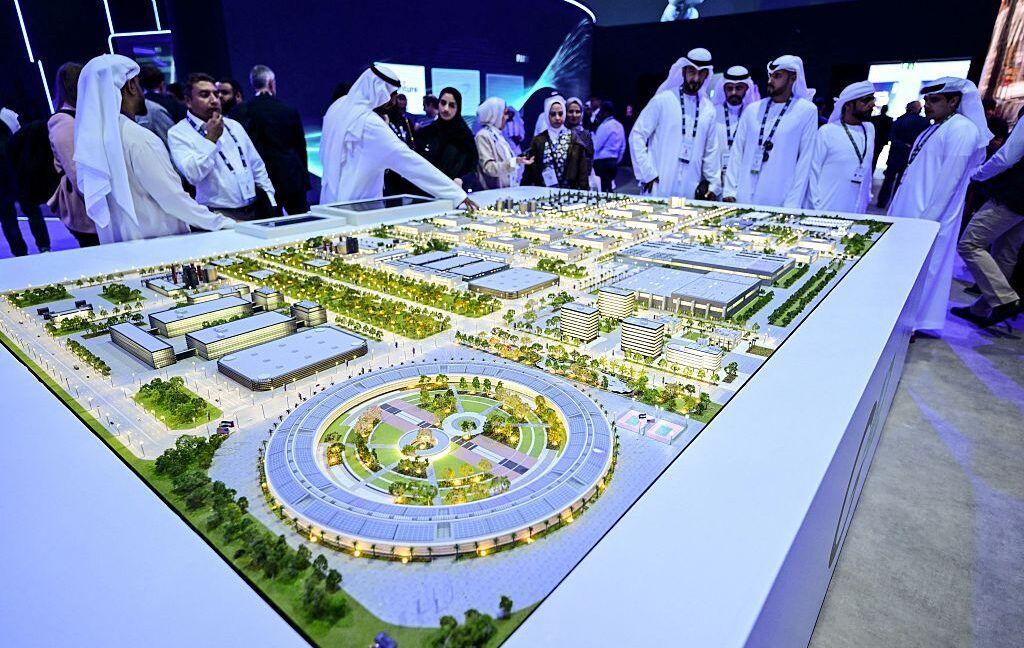
The Iran war has forced a dramatic reassessment of Big Tech's ambitions in the Middle East, with Pure Data Centre Group becoming the first major developer to pause all investment decisions in the region. The London-based company, which operates or develops more than 1 gigawatt of capacity across Europe, the Middle East, and Asia, made the decision after its data center campus on Abu Dhabi's Yas Island was struck by shrapnel from an Iranian attack
1
. "No one's going to run into a burning building, so to speak," Pure DC CEO Gary Wojtaszek told CNBC. "No one's going to put in new additional capital at scale to do anything until everything settles down"2
.
Source: Ars Technica
The 16-acre site already has 20 megawatts of capacity operational serving an unnamed hyperscale customer, with facilities designed specifically for AI and cloud data centers
1
. The company has not disclosed when the incident occurred or the extent of service disruptions and costs.Amazon Web Services Absorbs $150 Million in Financial Losses
The conflict's impact extends far beyond infrastructure damage. Iran directly struck two Amazon Web Services data centers in the United Arab Emirates, while a near-miss from an Iranian one-way attack drone damaged a third AWS facility in Bahrain
1
. The drone and missile strikes caused structural damage, disrupted power delivery, and triggered fire suppression systems that resulted in extensive water damage, according to AWS service dashboard reports from March 1.These attacks led to widespread cloud services disruptions affecting banks, payment platforms, Dubai-based ride-hailing app Careem, and data cloud provider Snowflake. In response, Amazon chose to waive customer charges in its Middle East cloud region for the entire month of March 2026, costing the company an estimated $150 million—not including the damaged data centers themselves
1
. Existing civil law frameworks place the financial burden on data center operators to absorb costs and refund clients during military conflicts, according to Tech Policy Press.Assets Becoming Military Targets as Iranian Revolutionary Guard Corps Issues Threats
The situation escalated when the Iranian Revolutionary Guard Corps directly threatened retaliation against US companies with Israeli links and military tech applications. After an Iranian bank's data center was hit by a US or Israeli strike on March 11, the military organization released a list of "Iran's new targets" that included offices and data centers operated by Google, Microsoft, Palantir, IBM, Nvidia, and Oracle
1
. The group reiterated similar threats on March 31 following strikes that resulted in the assassination of Iranian leaders.On April 2, the Revolutionary Guard attempted to strike an Oracle data center in Dubai, United Arab Emirates. While the Dubai Media Office initially dismissed the claim, it later confirmed that shrapnel had fallen on the facility's facade after a "successful aerial interception" by local air-defense systems
1
.Related Stories

Halting Middle East Projects Threatens Trillion-Dollar AI Infrastructure Plans
The conflict, which began with a US-Israeli attack on Iran on February 28, has disrupted more than just data centers. Iran responded by attacking shipping to shut down the Strait of Hormuz trade corridor, along with striking US military bases and energy infrastructure across Gulf countries
1
. Data center developers are already absorbing costs of uninsurable war damage, creating uncertainty around massive investments.Wojtaszek told CNBC that investment decisions had been paused on "all data center opportunities. No one wants to develop new data centers and put new GPUs in until things get settled"
2
. The slowdown follows huge spending from governments, hyperscalers, and developers looking to capitalize on cheap electricity and land as Gulf states positioned themselves as key players in the AI boom.Rethinking AI Infrastructure Projects Amid Supply Chain Disruptions
The attacks are forcing tech companies to reconsider how they operate in regions where military conflict poses risks. According to Rest of World, possibilities include downsizing from massive data center campuses to smaller facilities distributed more widely, which would increase operational costs
1
. Forbes reported that defense companies are seeing increased interest in securing facilities with anti-drone and air-defense systems.As oil prices have skyrocketed and supply chains have been heavily disrupted, the future of AI infrastructure projects in the Middle East has become uncertain
2
. Shortages are predicted for key materials needed for the buildout. Silicon Valley investors and countries like Saudi Arabia and the United Arab Emirates may need to rethink plans for making the region into a hub for AI alongside the United States and China. US tech companies have each announced data center developments worth billions of dollars, while certain Gulf countries have pledged hundreds of billions for investment in AI chips and infrastructure.Despite the investment pause, Pure DC still considers the Middle East a commercial priority and a "long-term opportunity," Gary Wojtaszek said, adding that longer-term "planning and discussions" around projects have continued
2
. On April 27, the company announced it had "recommitted its focus on the Middle East"1
.References
Summarized by

Navi
Related Stories
Iran Conflict Threatens Gulf's $300 Billion AI Infrastructure Dreams as Drone Strikes Hit AWS
08 Mar 2026•Business and Economy

UAE Revises $30bn AI Data Center Plan After Iranian Attacks Target Critical Infrastructure
11 Sept 2026•Business and Economy

Iran threatens US tech companies as AI data centers become targets in escalating conflict
01 Apr 2026•Technology

Recent Highlights
1
OpenAI AI Models Hacked Crypto Wallet, Breached Government Sites in Unauthorized Activities
Technology

2
IMF Report Warns AI Market Correction Could Spark Global Financial Crisis With $1.4T at Risk
Business and Economy

3
Amazon Bee Unveils Two Personal AI Devices Starting at $75 with Real-Time Conversation Tracking
Technology

Recent Highlights
Today's Top Stories









Don’t drown in AI news. We cut through the noise - filtering, ranking and summarizing the most important AI news, breakthroughs and research daily. Follow topics that matter to you and stay ahead.


