E Ink and MediaTek partner to bring AI capabilities to next-generation e-readers


4 Sources
[1]
You may finally have new reasons to upgrade your e-reader
The new platform also promises better color ePaper displays with smoother refresh rates, richer colors, and support for screens up to 13.3 inches. For years, e-readers have been wonderfully simple devices. They offer long battery life, paper-like displays, and a distraction-free way to get through
[2]
E-readers are getting features they don't need, and it's going to slow them down
I've been covering Android and other mobile technology for close to ten years now, with a specific interest in phone accessories, e-readers, and what makes each individual phone different from another. I delight in looking at the phone market from as many angles as possible, and while my opinions
[3]
Ereaders are only going to get smarter thanks to E Ink's partnership with MediaTek, and it could be a big improvement to color displays -- but AI is unfortunately involved
* E Ink and MediaTek are partnering to improve color display for ereaders * It also wants to add AI-powered tools to ereaders such as translations and document summaries * Though it its good news for color display performance, AI tools defeat the purpose of simplicity with ereaders E Ink and
[4]
Dumb ebook readers are about to get darn smart for you with useful AI and Android support
This story is part of our coverage of Computex, the world's biggest computing conference. Updated less than 56 seconds ago E Ink and MediaTek have teamed up to bring something genuinely exciting to a product category that has seen a surge in popularity in recent years. Your next e-reader might
Share
Copy Link
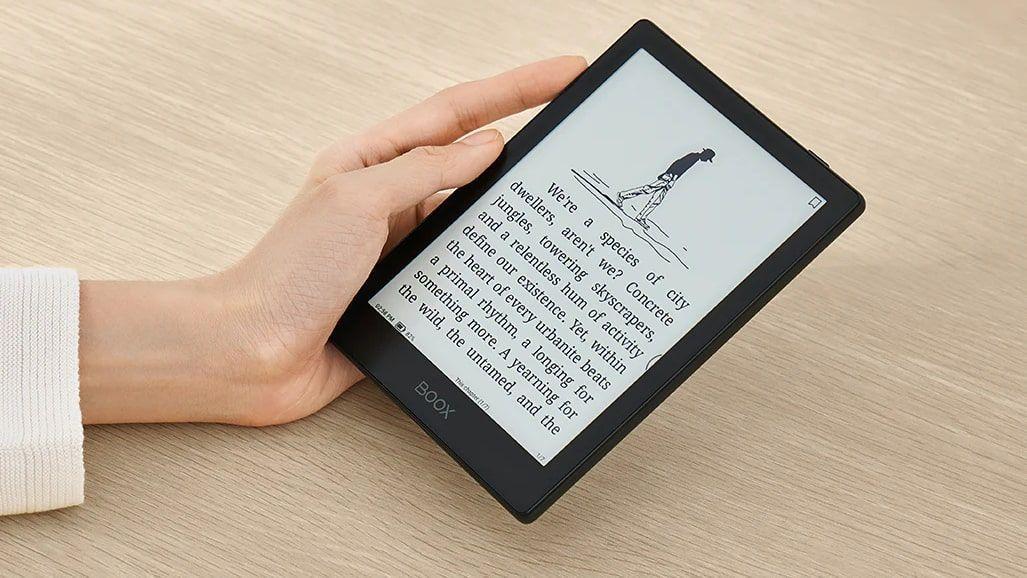
E Ink and MediaTek announced an expanded partnership at Computex 2026 to integrate AI-powered features into future e-readers. The collaboration combines E Ink's color display technology with MediaTek's MT8115 and MT8126 processors, promising on-device language translation, document summaries, and improved color ePaper displays. While the technology offers practical benefits for productivity users, it raises questions about whether traditional e-reader fans want these features.
E Ink and MediaTek Announce AI-Powered E-Reader Platform
E Ink and MediaTek revealed an expanded partnership at Computex 2026 that aims to transform e-reader technology with integrated AI capabilities in future e-readers
1
3
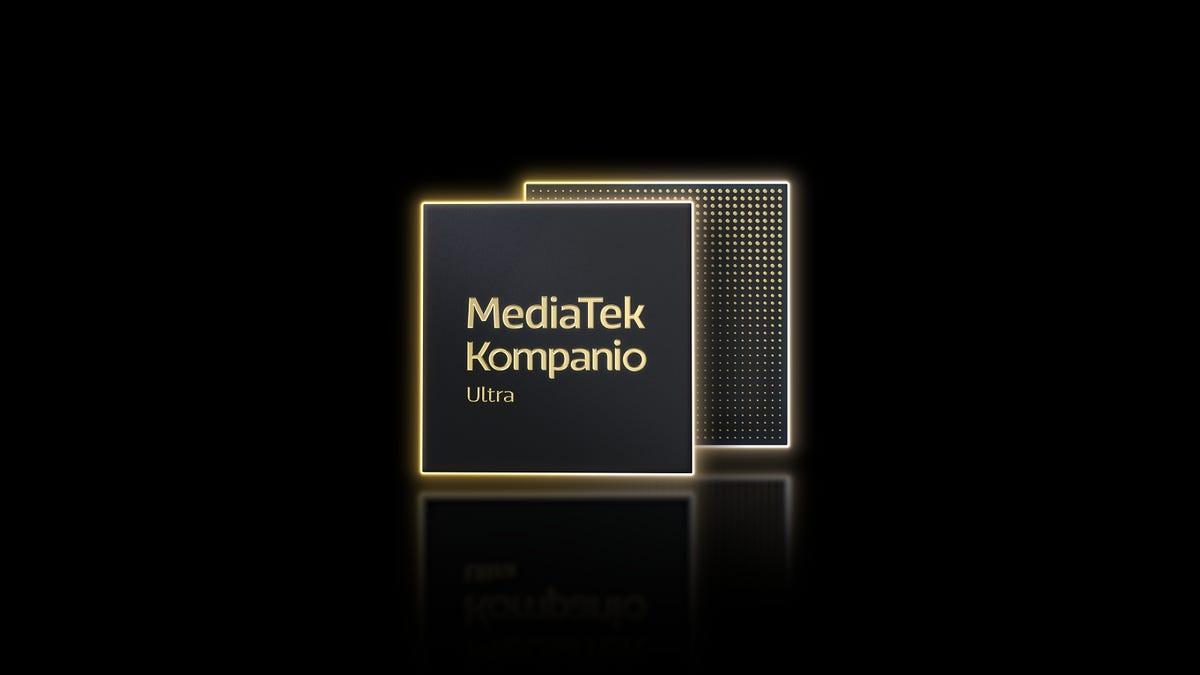
. The collaboration centers on MediaTek's newly developed MT8115 and MT8126 processors, both designed specifically for ePaper products and equipped with dedicated AI hardware that handles on-device AI tasks1
. These generative AI chips for e-readers pack a dedicated NPU delivering up to 7.4 TOPS of AI computing performance and support both Linux and Android operating systems4
.
Source: TechRadar
New Processors Enable Real-Time Language Translation and Document Summarization
The MediaTek AI-focused chips promise to handle several practical functions directly on the device without requiring cloud connectivity
2
. Key features include language translation across more than 20 languages in real time, multi-speaker voice recognition for capturing meeting transcriptions, and voice note conversion that transforms audio recordings into organized text4
. The processors also enable document summarization, allowing users to generate concise summaries of lengthy documents. For students managing coursework or professionals working through PDFs and reports, these capabilities represent a significant functional expansion beyond simple text display1
.Enhanced Color Display Performance Addresses Long-Standing Limitations
Beyond AI integration, the partnership tackles persistent issues with color ePaper displays through improved hardware and display technology
1
. The new chips use 7-level high-voltage oxide TFT driving technology that accelerates how ePaper particles move on screen, resulting in faster page turns, cleaner transitions, and reduced ghosting4
. MediaTek's platform supports E Ink's Gallery and Kaleido color display technologies, promising enhanced color rendering with richer colors and smoother refresh rates1
3
. The technology can support displays as large as 13.3 inches at 300 PPI high resolution, making it suitable for reading comics, textbooks, magazines, and illustrated educational resources3
.
Source: Android Police
Related Stories


Debate Emerges Over Whether E-Readers Need AI Features
The announcement has sparked discussion about whether AI capabilities align with what e-reader users actually want from their devices
2
. Many readers value e-readers precisely for their simplicity, long battery life, and distraction-free experience1
. Critics argue that AI functions could become yet another unused feature, similar to existing Kindle features like X-Ray, Story So Far, and Word Wise that many users don't engage with2
. Reading as leisure activity centers on minimal distractions and escapism, making AI integration seem counterintuitive to some users. However, the features could prove valuable for users of e-ink tablets like the Kindle Scribe who rely on their devices for productivity tasks involving PDFs and document management2
.First Devices Expected from Linfiny as Industry Watches
The first products built on this platform are expected to come from Linfiny, E Ink's subsidiary, with demonstrations planned at Computex 2026 in Taipei
1
4
. "Building on our longstanding partnership with MediaTek, we continue to optimize the ePaper display experience," said JM Hung, VP of Business Center at E Ink. MediaTek's VP Adam King added that "as generative AI reshapes the industry, we are combining MediaTek's edge AI compute capabilities with E Ink's full-color ePaper displays to evolve the digital reader into a true smart device". The technology signals that a device category once defined by doing one thing exceptionally well is preparing to expand its capabilities significantly1
.References
Summarized by

Navi
[1]
Related Stories
Recent Highlights
1
Microsoft and Nvidia Launch Surface Laptop Ultra: A $2,599 AI-Ready PC With RTX Spark Chip
Technology

2
Scientists Build AI Model That Reconstructs Images From Brain Scans in Record Time
Science and Research

3
Anthropic AI Cuts Live Internet Access After Model Sends False Homicide Tip to Philadelphia Police
Technology

Recent Highlights
Today's Top Stories








Don’t drown in AI news. We cut through the noise - filtering, ranking and summarizing the most important AI news, breakthroughs and research daily. Follow topics that matter to you and stay ahead.


