Epic Games Goes All-In on AI Development for Disney Collaboration, Delays Marvel-Star Wars Shooter


27 Sources
[1]
Report: Epic Games goes all-in on AI for Disney collaboration
Epic Games is shifting to an "AI first" development strategy for its collaboration with the Walt Disney Company, letting AI models write all the code and guide all the artwork for an upcoming shooter. That's according to a Bloomberg report, which cites unnamed people familiar with the project who
[2]
Epic shifts to 'AI-accelerated development' for upcoming Disney game
Epic Games plans to use AI to generate code and art for an unannounced Disney game, which is now delayed from its original March release window, according to a report from Bloomberg. The project's developers have been given an "AI-first" mandate directing them to use tools like Anthropic's Claude
[3]
Epic Games reportedly delays Disney shooter title so it can pivot to AI coding -- staff allegedly told 'no more handwritten code' with art 'generated with full AI workflows'
Epic Games has reportedly delayed a shooter based on Disney's Marvel and Star Wars franchises, with its developers told to use more AI. According to Bloomberg, the yet-to-be-named game was supposed to be released in March of 2027, but its launch date has been pushed back to an unspecified date.
[4]
Epic reportedly delays its Disney video game so it can be made using more AI - Engadget
Epic Games is going all in on AI for game development. The studio has been working on games for Disney, but sources told Bloomberg that its upcoming release has been delayed in order to use more AI for its creation. The publication reported that one of the game's directors informed the team that
[5]

Epic Games' Disney shooter is going "AI first," whether developers like it or not
Serving tech enthusiasts for over 25 years. TechSpot means tech analysis and advice you can trust. Cutting corners: Epic is now another of the big software companies that want to bring AI into everything they do. According to internal sources, the real trial by fire for this "AI first" approach
[6]

Fortnite-maker Epic Games confirms 'huge pivot' towards using AI
Fortnite-maker Epic Games is making a "huge pivot" towards using artificial intelligence (AI) in its development of video games, according to boss Tim Sweeney. The US firm's CEO made the announcement on social media, saying developers are being moved to "retool for maximum AI acceleration". It
[7]

Epic Games delays Disney Marvel shooter, mandates AI-first development
The Fortnite maker told developers to stop writing code by hand and generate all art using AI tools, according to Bloomberg Epic Games has delayed an unannounced shooter featuring Marvel and Star Wars characters and instructed its developers to adopt an "AI-first" production model, according to
[8]

Epic Games Delays Marvel-Star Wars Crossover Game Amid Generative AI Push
Epic Games has delayed an unannounced game that would cross over Marvel and Star Wars characters in a shooter, according to Bloomberg. The Fortnite and Unreal Engine maker is now reportedly pushing the game's developers to use generative AI tools, like Anthropic's Claude, to complete development.
[9]

'Our humble goal is to survive the AI revolution' says Epic Games CEO, as its Star Wars and Marvel crossover pivots to 'AI first' development
An unannounced Star Wars and Marvel shooter in the works at Epic Games has been delayed, and its creators instructed to take an "AI first" approach to development. Staff were advised of the pivot last week, according to a Bloomberg report, with the project delayed indefinitely from its
[10]

Epic Games reportedly delays a Star Wars and Marvel crossover shooter, as the Fortnite maker tells devs to embrace gen-AI development tools
Epic Games has reportedly turned to gen-AI to speed up development on a Star Wars and Marvel crossover shooter, which has been internally delayed. That's according to a Bloomberg report from journalist Jason Schreier, citing anonymous sources familiar with the unannounced game. Epic's
[11]

Epic's new Marvel, Star Wars shooter is an 'AI-first production'
Epic Games has delayed the release of a new shooter with Marvel and Star Wars characters, which is being built using AI tools like Claude, sources tell Bloomberg's Jason Schreier. Back in April, reports said that Epic was making an extraction shooter similar to Arc Raiders, and that it would
[12]

Epic Games Forces Shocked Developers Into 'AI-First' Mode For Delayed Shooter Featuring Marvel And Star Wars Characters
Epic Games is rushing headfirst into generative AI-based game development for an upcoming Disney shooter that uses characters from Marvel and Star Wars. Developers on the project were reportedly told to implement AI in their workflows, including for producing the game's art. According to a new
[13]

Epic Asks Workers to Use Claude, Other AI Tools to Make Upcoming Disney Game
Epic CEO Tim Sweeney said the company was pivoting to AI development Epic Games is reportedly pushing its employees to use more artificial intelligence tools to finish development on an upcoming title made in collaboration with Disney. The project, said to be a shooter featuring Marvel and Star
[14]

Ex-Fortnite producer says AI controversy "is mostly for show" as Epic Games faces backlash for its new "AI first" approach to development
"The debate happens on stage while the usage happens at the desk" Following Fortnite developer and publisher Epic Games' public announcement that it would be undergoing a "huge pivot" for "maximum AI acceleration," one former producer shares his take on the controversial technology and its role in
[15]

Epic Games: Fortnite-maker Epic Games makes 'huge pivot' with AI, CEO says
Fortnite-maker Epic Games is making a "huge pivot" towards using artificial intelligence (AI) to boost video game development, CEO Tim Sweeney said on Monday. It also lands about six months after Epic said it would lay off more than 1,000 employees, though the company attributed the decision to
[16]

Epic Games' Disney Game Faces Delays and An AI Overhaul - Walt Disney (NYSE:DIS)
Epic Games Inc. is pausing the release of its upcoming video game collaboration with Walt Disney Co., (NYSE:DIS) and has told its developers to use artificial intelligence tools to help complete the game. The game, which was slated to debut in March, is now on pause and no new date has been
[17]

Epic Games Is Retooling for "Maximum AI Acceleration," But Tim Sweeney Insists the Goal Is Better Games, Not Fewer People
A few hours ago, Epic Games founder and majority shareholder Tim Sweeney spoke on X about his company's ongoing changes driven by the AI revolution. First and foremost, Sweeney clarified that his goal is not to replace human employees with AI tools, but to empower them to create more and better
[18]

Disney Shooter Team Reportedly Told to Stop Writing Code by Hand - Gamereactor
Epic's Disney shooter has reportedly been delayed as developers shift to AI-assisted code and art, with no new launch date announced yet. Epic Games has reportedly delayed its unannounced Disney shooter and directed its developers to adopt an AI-first production workflow. The project was
[19]

Fortnite's Disney Metaverse Delayed as Epic Shifts to AI-First Development
Epic Games has reportedly delayed its unannounced Disney game set in the Fortnite Metaverse indefinitely as the studio pushes its team to embrace generative AI in every aspect of game development. New reports suggest the game will be a shooter featuring Star Wars and Marvel characters, likely
[20]
Epic Games undergoes "huge pivot" for "maximum AI acceleration" amid reports of Disney shooter delay due to the controversial tech
"The aim isn't to do the same stuff with fewer people," says CEO Tim Sweeney Fortnite developer and publisher Epic Games has reportedly delayed the release of a Disney extraction shooter that it had been working on so as to incorporate more artificial intelligence technology into its
[21]

Everyone's saying the same thing about Epic's AI-first Disney game - and it's not good
Epic Games, developer of Unreal Engine, wants its developers to go all in on AI, and the people who'll actually be playing the results aren't convinced it'll make anything any better, with the Fortnite maker now facing a fresh backlash after reports that its unannounced Disney shooter, a Marvel and
[22]

Epic Games Delays Disney's Marvel and Star Wars Shooter as AI Takes Center Stage
Epic Games has reportedly delayed its upcoming Marvel and Star Wars shooter as it turns to AI tools for game development. The change raises questions about the game's quality and release plans. Epic Games has reportedly postponed its upcoming shooter game featuring Marvel and Star Wars characters.
[23]

Epic Games delays Disney title as studio shifts to AI-first model - Bloomberg By Investing.com
Investing.com -- Epic Games Inc. has delayed the release of its upcoming video-game collaboration with Walt Disney Company (NYSE:DIS) and instructed developers to pivot toward a primary reliance on artificial intelligence tools to complete the title, Bloomberg reported, citing people familiar with
[24]

Epic Reportedly Delays Secret Star Wars and Marvel Crossover Shooter, Pushes Devs to Use AI in Development
Epic Games has reportedly delayed its secret Star Wars and Marvel crossover shooter as it pushes its developers to shift to an "AI first" production model. Details on the yet-to-be-announced Disney video game were shared by Bloomberg today. The site's report stated the untitled crossover
[25]

Disney and Epic Games' new game is delayed: AI is to blame
News Disney and Epic Games' new game is delayed: AI is to blame Epic wants Claude to handle coding and art generation The major collaboration between Disney and Epic Games is rapidly going off course. The first game from the partnership between the two companies, a shooter with characters from
[26]
A shooter mixing Marvel and Star Wars characters is being delayed because, indeed: they want to go all in on AI
Epic Games could be developing a shooter with Walt Disney Co. based on the Marvel and Star Wars franchises, and while this may seem like great news, it comes with a big caveat. Although the company behind Fortnite has plenty of experience in both fields, shooters and mixing concepts that don't seem
[27]

Epic Games AI Disney game: Marvel and Star Wars are now the test case for AI made art
Epic Games is telling the team developing the Disney shooter that they need to stop writing code altogether. No writing a little bit less, but stopping entirely. "No more hand-written code," one of the directors on the game said in an internal message, as reported by Bloomberg, and everything will
Share
Copy Link
Epic Games has mandated an AI-first production model for its Disney video game project, directing developers to use AI-generated code and art exclusively. The Marvel and Star Wars shooter, originally slated for March 2027, now faces indefinite delay as the company retools its development approach using tools like Anthropic's Claude.
Epic Games Mandates AI-First Development for Disney Project
Epic Games is implementing a radical shift to an AI-first development strategy for its collaboration with the Walt Disney Company, according to a Bloomberg report citing unnamed sources familiar with the project
1
. The Unreal Engine maker has directed developers working on an upcoming Marvel and Star Wars shooter to rely entirely on AI-generated code and art, marking a significant pivot in the company's production model2
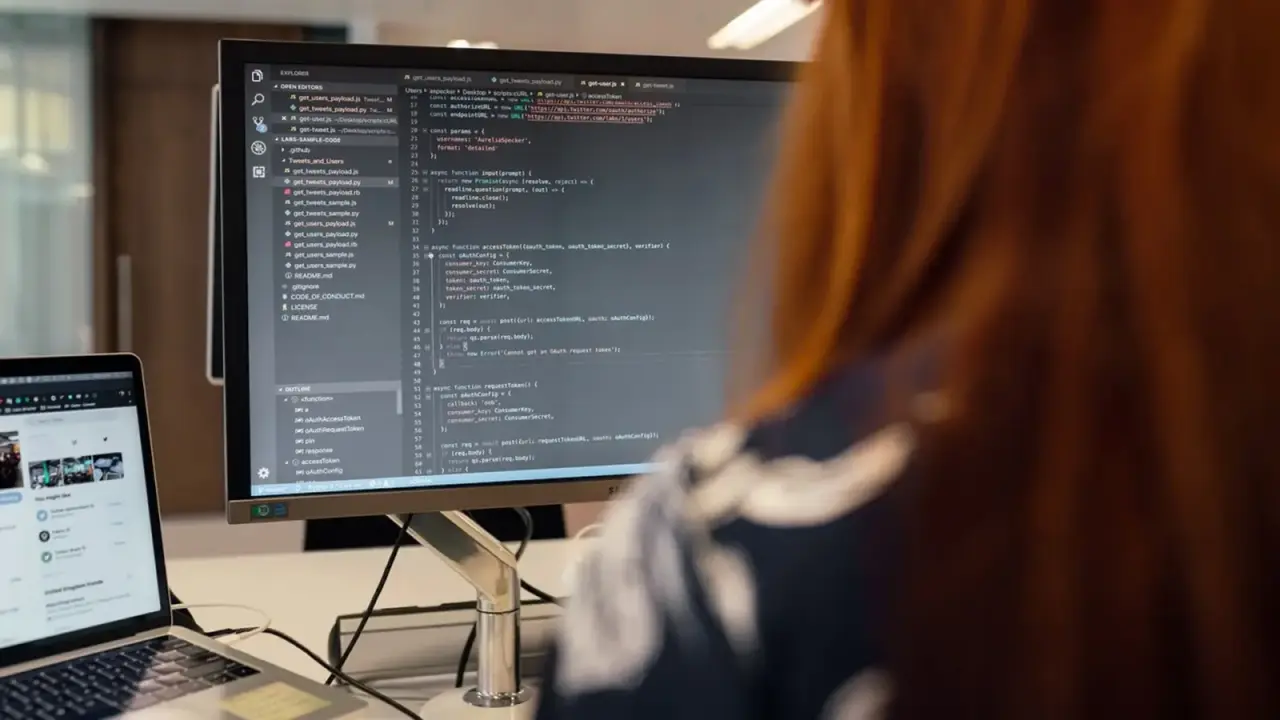
. One game director told staff in an internal message that there would be "no more hand-written code," while all art assets would be "generated with full AI workflows"3
. Human developers will now manage and guide assets created by generative AI tools such as Anthropic's Claude rather than creating content themselves1
.
Source: GameReactor
Disney Shooter Faces Indefinite Delay Amid AI Transition
The $1.5 billion collaboration between Epic and Disney, announced in early 2024, was expected to deliver its first title—a Marvel and Star Wars-themed shooter—in March 2027
1
. However, the project has now been delayed indefinitely amid the AI-related shakeup and understaffed, slower-than-expected development4
. Sources indicate the game was already behind schedule before the AI mandate, with Epic underestimating the manpower and development time required5
. The delay suggests Epic's attempt to speed up development with AI-accelerated development may be a response to existing production challenges rather than a planned evolution.Tim Sweeney Defends AI Acceleration Strategy
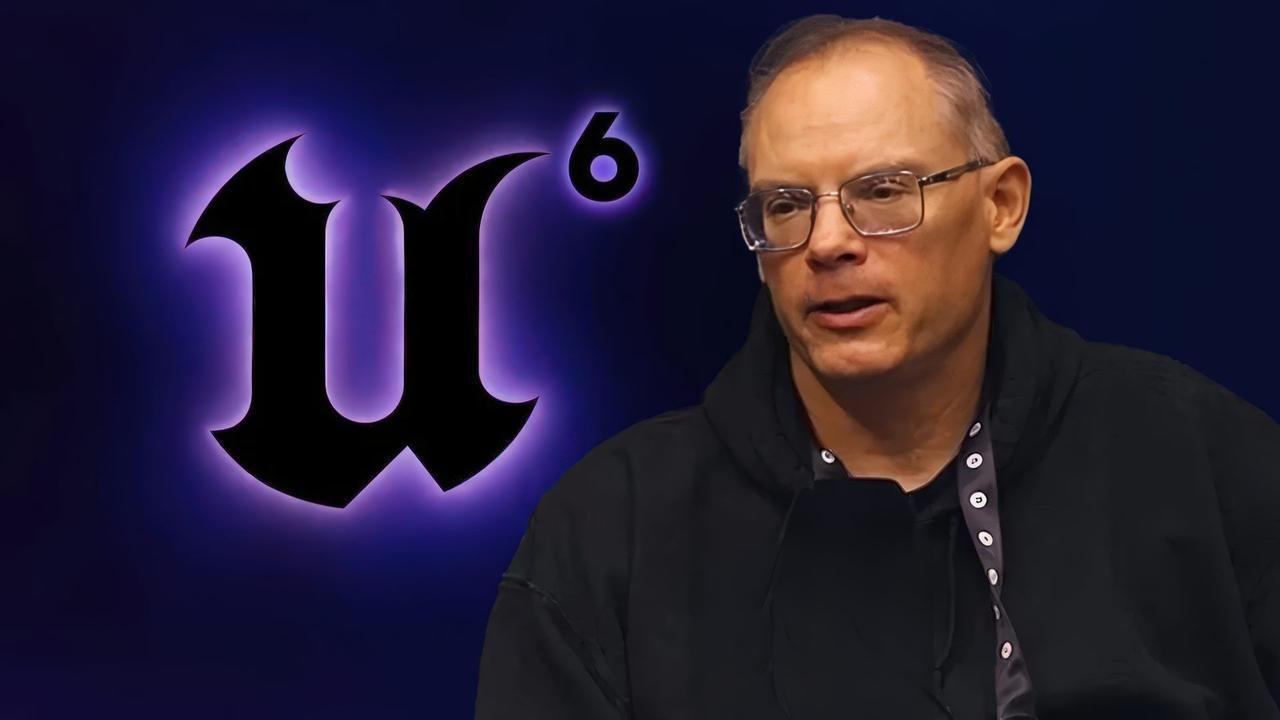
Epic CEO Tim Sweeney quickly addressed the Bloomberg report on social media, confirming the company's direction. "We have a huge pivot underway here at Epic, moving developers around to retool for maximum AI acceleration," Sweeney wrote
3
. He emphasized that the aim isn't to reduce headcount but to "enable everyone here to build MORE and BETTER stuff, and to bring the benefits to all teams using Unreal"1
. Epic communications director Jake Jones reinforced this message, stating the company is "embracing AI-accelerated development, led by Epic developers who are the visionaries and creative drivers for everything we do"2
.
Source: Wccftech
Developer Reactions Range from Skepticism to Concern
The AI-first mandate reportedly met with mixed reactions from Epic staff during internal communications. Some developers expressed hope that the directive wasn't entirely serious or that management might reconsider the decision
3
. Others jokingly questioned whether they should ask Claude to fix its own errors, highlighting concerns about AI hallucinations and mistakes5
. The announcement left some developers in a state of astonishment, with one source suggesting the company might eventually discover the push isn't as successful as executives expect5
. This skepticism comes despite Epic having already integrated generative AI tools into its Unreal Engine platform throughout the year4
.Related Stories

Industry Context and Epic's AI Advocacy
Sweeney and Epic Games have consistently championed AI in game development, positioning themselves as industry leaders in this transition. In a June interview with IGN, Sweeney predicted games with "the possibility of infinite dialogue" where "small teams will be able to create games with immense amounts of characters and immense and interactive worlds"
1
. Last November, Sweeney criticized Steam's AI disclosure tags, arguing they "make no sense" because "AI will be involved in nearly all future production"1
. This stance contrasts sharply with broader industry sentiment—a Game Developers Conference survey found that 52 percent of developers view generative AI as bad for the industry, up from 30 percent in 20254
.Recent Challenges and Future Implications
Epic laid off over 1,000 employees in March 2026, citing a "downturn in Fortnite engagement" as the primary reason
1
. The company has already experimented with AI in Fortnite, though not without issues—an AI-voiced Darth Vader character began repeating curse words and making bizarre statements before a hotfix was deployed1
. While 36 percent of game industry professionals use generative AI tools according to GDC surveys, these are primarily employed for research and brainstorming (81 percent) rather than code assistance (47 percent) or prototyping (35 percent)1
. Epic's aggressive push to use AI for both code and art generation represents a significant departure from current industry practices, making the Disney video game project a crucial test case for AI workflows in AAA game development. The success or failure of this approach could influence how other studios adopt AI in game development, particularly given Epic's prominent position as the creator of Unreal Engine.
Source: Ars Technica
References
Summarized by

Navi
[1]
Related Stories
Epic Games Goes All-In on Vibe Coding for Unreal Engine 6 and Fortnite Using AI-Generated Code
28 Oct 2026•Technology

Gaming industry splits on AI as EA touts creativity boost while Steam data reveals 53% review penalty
16 Jun 2026•Entertainment and Society

Epic Games Vibe Coded New Launcher with AI to Beat Steam, Announces Maximum AI Acceleration Pivot
14 Oct 2026•Technology

Recent Highlights


Recent Highlights
Today's Top Stories





Don’t drown in AI news. We cut through the noise - filtering, ranking and summarizing the most important AI news, breakthroughs and research daily. Follow topics that matter to you and stay ahead.


