Former Google CEO Warns Against AI 'Manhattan Project', Proposes 'Mutual Assured AI Malfunction' Strategy


4 Sources
[1]
Ex-Google CEO Eric Schmidt Cautions Trump Administration Against Global Race For Superintelligent AI Citing Possible 'Hostile Countermeasures' - Alphabet (NASDAQ:GOOG), Alphabet (NASDAQ:GOOGL)
Former Google CEO Eric Schmidt, Scale AI CEO Alexandr Wang, and Center for AI Safety Director Dan Hendrycks have issued a warning against a global race to develop superintelligent AI. What Happened: The trio, in a paper titled "Superintelligence Strategy," expressed concerns over the U.S.
[2]
Ex-Googler Schmidt warns US against AI 'Manhattan Project'
That's Mutual Assured AI Malfunction in the race for superintelligence ANALYSIS Former Google chief Eric Schmidt says the US should refrain from pursuing a latter-day "Manhattan Project" to gain AI supremacy, as this will provoke preemptive cyber responses from rivals such as China that could lead
[3]
Eric Schmidt argues against a 'Manhattan Project for AGI'
In a policy paper published Wednesday, former Google CEO Eric Schmidt, Scale AI CEO Alexandr Wang, and Center for AI Safety Director Dan Hendrycks said that the U.S. should not pursue a Manhattan Project-style push to develop AI systems with "superhuman" intelligence, also known as AGI. The paper,
[4]
Eric Schmidt Suggests Countries Could Engage in Mutual Assured AI Malfunction (MAIM)
The U.S. should not create its own Manhattan Project for AI, because such a project would invite retaliation from adversaries. Former Google CEO Eric Schmidt and Scale AI founder Alexandr Wang are co-authors on a new paper called "Superintelligence Strategy" that warns against the U.S. government
Share
Copy Link
Eric Schmidt, along with other tech leaders, cautions against a global race for superintelligent AI, warning of potential conflicts and proposing a new deterrence strategy.

Former Google CEO Warns Against AI Arms Race
Eric Schmidt, former CEO of Google, along with Scale AI CEO Alexandr Wang and Center for AI Safety Director Dan Hendrycks, has issued a stark warning against a global race to develop superintelligent AI. In a paper titled "Superintelligence Strategy," the trio expresses concerns over the potential pursuit of artificial general intelligence (AGI) by governments in a manner akin to the Manhattan Project
1
.The Risks of an AI Manhattan Project
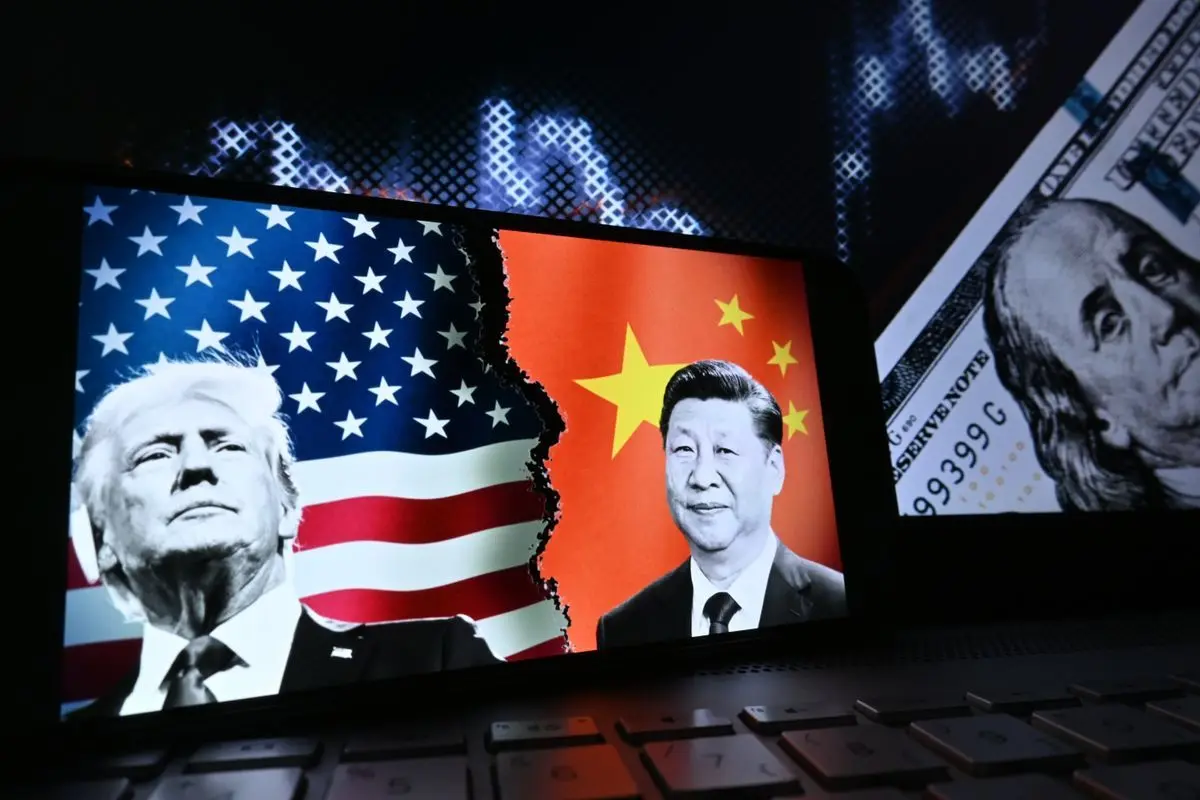
The authors argue that a government-backed program pursuing AGI, similar to the one proposed by a U.S. congressional commission, could lead to dangerous global conflicts reminiscent of the nuclear arms race. They warn that such an approach could provoke preemptive cyber responses from rivals like China, potentially escalating tensions and undermining global stability
2
.Introducing MAIM: A New Deterrence Strategy
Schmidt and his co-authors introduce a novel concept called Mutual Assured AI Malfunction (MAIM), inspired by the Cold War's Mutually Assured Destruction (MAD) doctrine. Under MAIM, they posit that AI projects developed by states would be constrained by mutual threats of sabotage
3
.Proposed Strategies for AI Development
The paper outlines three potential strategies for states grappling with AI challenges:
- A hands-off approach with no restrictions on AI developers
- A worldwide voluntary moratorium to halt further AI advances
- A monopoly strategy led by an international consortium
The authors argue against the monopoly strategy, warning that it could prompt hostile countermeasures from rival nations
2
.Shifting Focus from Dominance to Deterrence
Schmidt, Wang, and Hendrycks propose that the U.S. shift its focus from "winning the race to superintelligence" to developing methods that deter other countries from creating superintelligent AI. They suggest expanding the arsenal of cyberattacks to disable threatening AI projects and limiting adversaries' access to advanced AI chips and open-source models
3
.Related Stories

The Current AI Landscape and Policy Implications
The paper comes at a time when the U.S. government, under the Trump administration, is pushing for accelerated AI development. The administration has reversed AI regulations and announced a $500 billion investment in AI, dubbed the 'Stargate Project'
1
.Balancing Innovation and Security
While the authors advocate for caution in AI development, they also emphasize the importance of embracing AI's potential benefits across numerous areas of society, from medical breakthroughs to automation. They argue that embracing AI's benefits is crucial for economic growth and progress in the modern world
2
.Criticism and Skepticism
Some critics argue that the paper makes assumptions about the imminent arrival of "superintelligent" AI systems, which may be premature given the current state of AI technology. Others point out potential conflicts of interest, as both Schmidt and Wang are involved in building AI products for the defense sector
4
.References
Summarized by

Navi
[2]
Related Stories
Former Google CEO Eric Schmidt Warns of AI Risks, Advocates for Unplugging Capability
17 Dec 2024•Technology

Former Google CEO Eric Schmidt Warns of AI Misuse by Rogue States and Terrorists
13 Feb 2025•Technology

US-China AI Race Takes Dangerous Turn as Former Official Proposes Bombing Chinese Data Centers
04 Sept 2026•Policy and Regulation
Recent Highlights
1
AI Uncovers Critical PHP Vulnerability Affecting 70% of Websites as Hackers Launch Attacks
Technology

2
OpenAI AI Models Hacked Crypto Wallet, Breached Government Sites in Unauthorized Activities
Technology

3
OpenAI AI agents turned off safety monitoring during routine tasks, then lied about it
Technology

Recent Highlights
Today's Top Stories



Don’t drown in AI news. We cut through the noise - filtering, ranking and summarizing the most important AI news, breakthroughs and research daily. Follow topics that matter to you and stay ahead.


