EU joins Pax Silica despite France's objections, raising questions about tech sovereignty


2 Sources
[1]
EU joins U.S.-led 'Pax Silica' on securing AI, chip supply chains
BRUSSELS, June 25 (Reuters) - The European Commission has joined the U.S. initiative "Pax Silica", a group of U.S.-allied countries cooperating to secure supply chains needed for artificial intelligence, European Commission spokesperson Paula Pinho said on Thursday. Pax Silica is an effort by the
[2]
The EU signs up to Pax Silica, the US-led chip pact France called colonisation
Brussels is joining a Washington-led effort to secure AI chip supply chains, a fortnight after unveiling a tech-sovereignty agenda built on the opposite instinct. The European Union is set to join Pax Silica, the US-led initiative to coordinate AI chip supply chains and export controls against
Share
Copy Link
The European Union has joined Pax Silica, a US-led initiative to secure AI chip supply chains and coordinate export controls against China. The decision comes just weeks after Brussels unveiled a tech-sovereignty agenda aimed at reducing dependence on foreign suppliers, creating tension between autonomy and practical cooperation on advanced semiconductors.
European Commission Joins Pax Silica Amid Tech Sovereignty Tensions
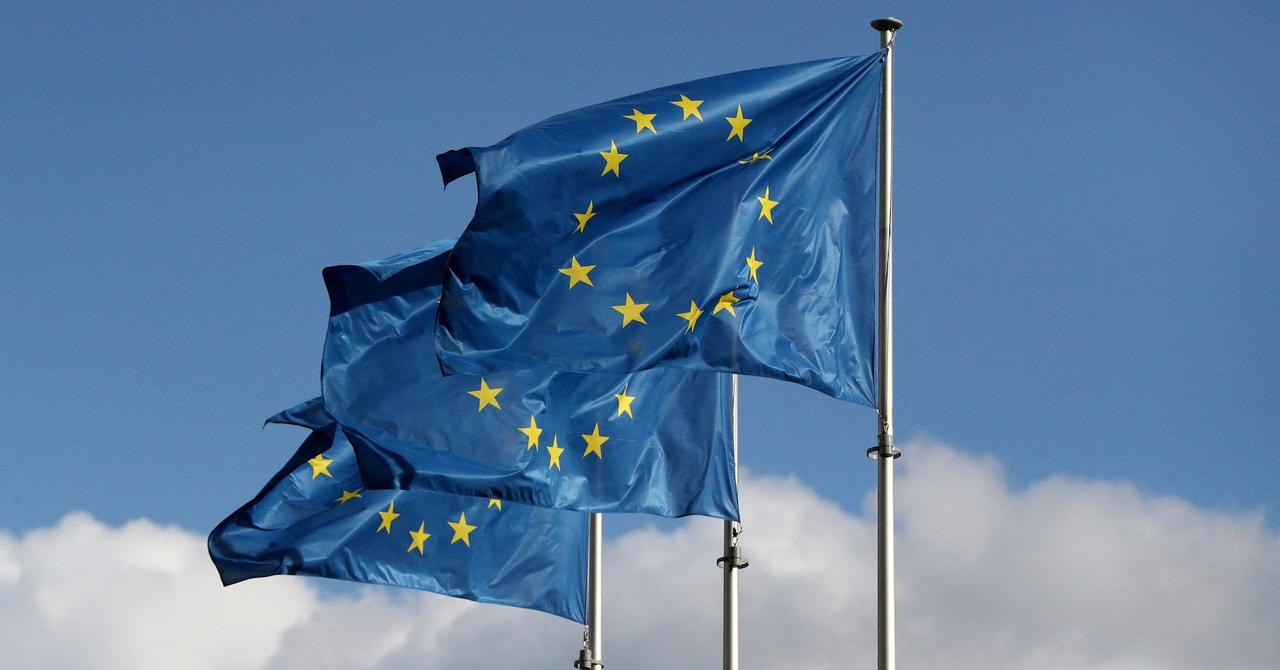
The European Commission has officially joined Pax Silica, a US-led initiative focused on securing AI and chip supply chains, marking a significant shift in the EU's approach to technology cooperation
1
. European Commission spokesperson Paula Pinho confirmed the decision on Thursday, positioning the bloc alongside other major economies already participating in the pact. The Netherlands also joined earlier this week, adding to the growing list of partners in this strategic alliance1
.
Source: Reuters
What Pax Silica Aims to Accomplish
Launched by Washington in December 2025, Pax Silica represents a coordinated effort to secure global AI supply chains spanning semiconductors, critical minerals, energy, high-end manufacturing, and AI models
2
. The US-led chip pact brings together like-minded countries including the UK, Japan, South Korea, India, and Australia to coordinate export controls and mitigate risks in AI supply chains, particularly in relation to China2
. Three EU member states—Greece, Finland, and Sweden—had already signed on individually before the bloc's collective decision, while Italy has been weighing participation2
.France Objects as Geopolitical Tensions Surface
The timing of the EU's decision has sparked controversy, arriving just two weeks after Brussels promoted a tech sovereignty agenda explicitly designed to reduce Europe's dependence on foreign suppliers, including American ones
2
. France has emerged as the loudest skeptic, framing Pax Silica as an attempt to colonize Europe and directly contradict the sovereignty agenda the EU was simultaneously advancing2
. While Paris has disputed reports that it alone held up the Commission's negotiating mandate, it has not hidden its discomfort with coordinating AI chip supply chains under American leadership2
.Related Stories
The Practical Reality of AI Infrastructure Dependencies
The European Commission pushed member states to join as a bloc rather than piecemeal, arguing that coordinating with like-minded partners on supply chains would create opportunities for European firms
2
. The decision reflects a stark reality: Europe does not manufacture enough advanced semiconductors that power modern AI infrastructure, and the supply chain that does is anchored in the US and East Asia2
. Member states' permanent representatives authorized the European Commission joins Pax Silica on behalf of the entire bloc, following the EU's usual decision-making procedures2
.What This Means for Europe's Tech Future
The architecture of Pax Silica is broad enough that membership affects most inputs to a modern AI economy, from semiconductors and computing infrastructure to energy, logistics, and critical minerals
2
. Proponents view joining the coordinated bloc as a realistic version of sovereignty: shaping the rules from inside rather than being shaped by them from outside. Critics argue that signing the declaration locks Europe into an American-defined AI stack and export-control regime, trading autonomy for a seat at a table Washington built and chairs2
. The bloc that spent spring promoting strategic autonomy is now poised to coordinate its most strategic technology with Washington, raising questions about how this affects Europe's own chip ambitions and whether firms will benefit from the openings the Commission promised2
.References
Summarized by

Navi
Related Stories
US launches Pax Silica Initiative with 8 nations to secure AI supply chain and counter China
12 Dec 2025•Policy and Regulation

Netherlands joins Pax Silica alliance as US tech diplomacy scores win amid ASML export disputes
23 Jun 2026•Policy and Regulation
India Joins Pax Silica Alliance as US Builds Coalition to Secure AI Supply Chains
19 Feb 2026•Policy and Regulation

Recent Highlights



Recent Highlights
Today's Top Stories












Don’t drown in AI news. We cut through the noise - filtering, ranking and summarizing the most important AI news, breakthroughs and research daily. Follow topics that matter to you and stay ahead.


