Europe risks falling behind US, China as AI data centre infrastructure lags, warns Nokia CEO


3 Sources
[1]
Europe risks falling behind US, China on AI data centre build-up, Nokia CEO says
April 23 (Reuters) - Europe lacks the infrastructure needed to build up artificial intelligence data centres and is not investing enough to keep business from moving to China and the United States, the head of Nokia (NOKIA.HE), opens new tab said on Thursday. While big technology companies are
[2]
Europe risks falling behind US, China on AI data centre build-up, Nokia CEO says - The Economic Times
Nokia's CEO raises an alarm about Europe's lagging status in the development of AI data centers, warning that inadequate infrastructure and low investments could push businesses towards the more adaptive environments of the US and China. He also points out the ongoing regulatory and energy supply
[3]
Europe risks falling behind US, China on AI data centre build-up, Nokia CEO says
April 23 (Reuters) - Europe lacks the infrastructure needed to build up artificial intelligence data centres and is not investing enough to keep business from moving to China and the United States, the head of Nokia said on Thursday. While big technology companies are expected to pour hundreds of
Share
Copy Link
Nokia CEO Justin Hotard warns that Europe lacks the critical infrastructure needed for AI data centres and isn't investing enough to compete with the United States and China. With data centers' electricity consumption expected to surge and regulatory hurdles slowing expansion, businesses and developers may relocate to regions with better AI infrastructure.
Nokia CEO Warns Europe Lacks Critical AI Infrastructure
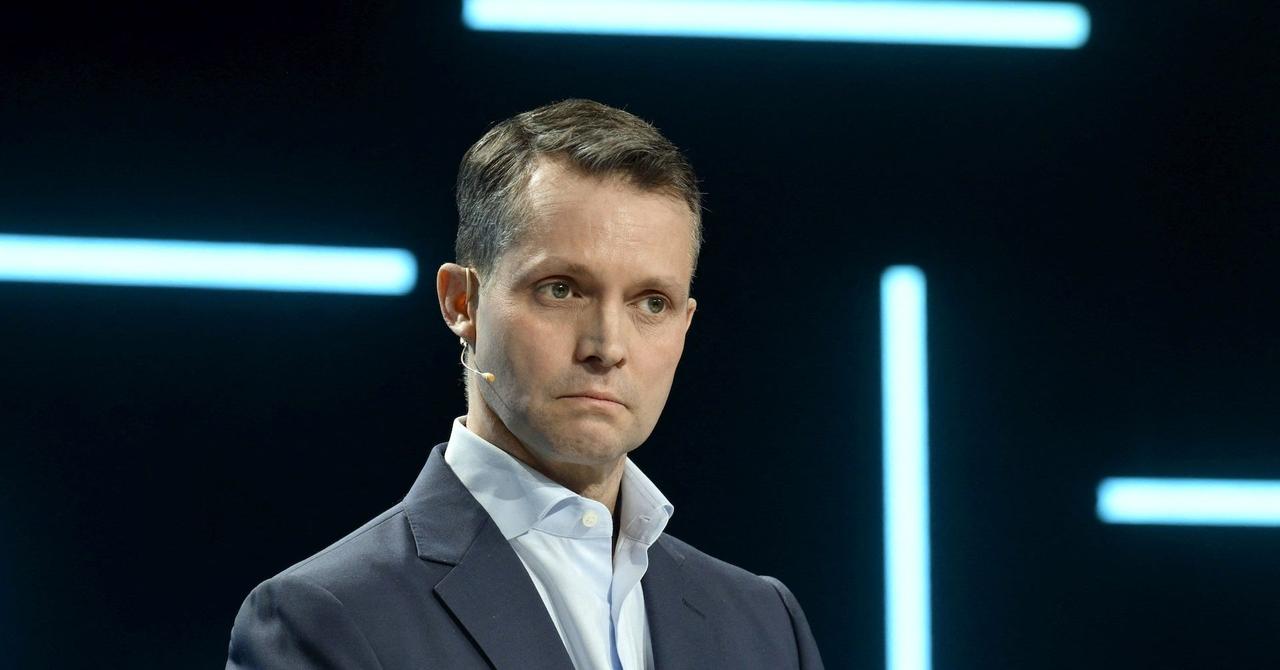
Europe risks falling behind US, China in the global race to build artificial intelligence data centres, according to Nokia CEO Justin Hotard, who cautioned that insufficient investment and infrastructure gaps could drive businesses away from the continent. Speaking to Reuters, Hotard highlighted that while technology companies are expected to pour hundreds of billions of dollars into scaling up AI-related infrastructure this year, Europe has been lagging behind due to regulatory hurdles and energy constraints
1
.
Source: Reuters
"The issue today is Europe doesn't have the infrastructure," Nokia CEO Justin Hotard told Reuters, while acknowledging some positive steps by the European Union, such as the establishment of AI gigafactories
2
. However, he stressed that the relative pace of investment remains inadequate. "It's not just about putting these factories in. You need connectivity. You need data centre capacity," Hotard emphasized3
.Energy Constraints and Power Grid Challenges Hamper Growth
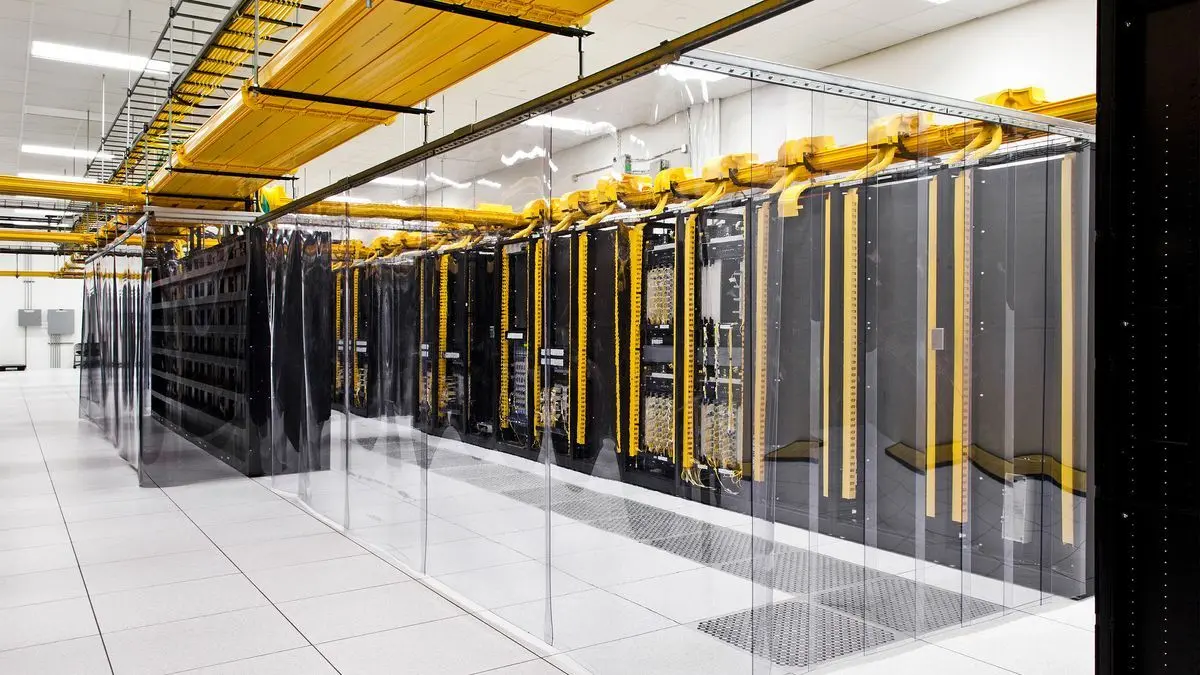
Data centers' electricity consumption presents a significant challenge for Europe's AI ambitions. Currently, data centres account for 3% of the EU electricity demand, but their consumption is expected to increase rapidly due to AI
1
. Amazon reported in February that long delays to get power grid connections were challenging the company's data centre expansion in Europe, illustrating the practical obstacles facing even the largest technology companies2
.These energy constraints, combined with regulatory hurdles, create a challenging environment for scaling AI infrastructure in the European Union. The warning from Hotard, who left Intel to join Nokia last year, carries particular weight given his experience across major technology firms
3
.Related Stories
Risk of AI Businesses and Developers to Relocate
"We've seen the movie before, right? If you don't build that infrastructure, then ultimately the business and the developers will move to where that is," said Hotard. "The reality is right now, that's in China and in the United States for the large part"
1
. This stark assessment suggests that without urgent action on investment and infrastructure development, Europe could see a significant exodus of AI talent and business activity to more competitive regions.The Finnish company Nokia, once known as the world's largest phone manufacturer, is now reaping gains from its push into AI. Its AI and cloud business now accounts for 8% of group sales, and the company expects that addressable market to grow by 27% annually until 2028
2
. This growth trajectory underscores both the opportunities Europe stands to lose and Nokia's positioning to benefit from whichever regions successfully build out their AI data centre capacity and connectivity infrastructure.References
Summarized by

Navi
Related Stories
Nokia CEO Says AI Infrastructure Would Build Twice as Fast if Supply Constraints Didn't Exist
06 Oct 2026•Business and Economy

Europe Faces Data Centre Space Shortage as AI Demand Surges
06 Feb 2025•Technology

EU's $30 Billion AI Infrastructure Push: Bridging the Gap with Gigawatt Data Centers
30 Jul 2025•Technology
Recent Highlights
1
OpenAI AI Models Hacked Crypto Wallet, Breached Government Sites in Unauthorized Activities
Technology

2
IMF Report Warns AI Market Correction Could Spark Global Financial Crisis With $1.4T at Risk
Business and Economy

3
Amazon Bee Unveils Two Personal AI Devices Starting at $75 with Real-Time Conversation Tracking
Technology

Recent Highlights
Today's Top Stories









Don’t drown in AI news. We cut through the noise - filtering, ranking and summarizing the most important AI news, breakthroughs and research daily. Follow topics that matter to you and stay ahead.


