US Robot Ban Targets Chinese Humanoid Robots, Escalating US-China Trade Tensions


34 Sources
[1]
Trump's AI protectionism has come for robotics
The FTC has banned foreign-made humanoids, making a fragile, nascent sector part of America's AI industrial policy. This story originally appeared in The Algorithm, our weekly newsletter on AI. To get stories like this in your inbox first, sign up here. Humanoid robots usually elicit more cringe
[2]
The US Threw the First Punch in the Global Robot Wars. How Will China Respond? - CNET
Katie is a UK-based news reporter and features writer.... Read full bio The humanoid robot wars are kicking off, but the robots aren't fighting each other -- at least for now. Instead, we're looking at a war fought on paper by governments competing to dominate a new, fast-growing market in which
[3]
EXCLUSIVE: Trump administration to ban new Chinese robots and inverters, protecting US AI buildout
WASHINGTON, July 28 (Reuters) - The Trump administration on Tuesday plans to unveil new bans that target imports of the latest Chinese robots and power inverters, seeking to protect the U.S. AI buildout from national security threats and reshore key industries slated for explosive growth, U.S.
[4]
China threatens retaliation against U.S. humanoid robot ban, says it 'severely damages' relations
BEIJING -- The U.S. Federal Communications Commission has repeatedly ignored Beijing's restrained stance on product bans, China's commerce ministry said Thursday, threatening retaliation. The FCC on Tuesday said due to cybersecurity concerns, it added foreign-made advanced robotic devices,
[5]

China Threatens Retaliation as U.S. Moves to Block Robot Imports
Steve Lohr reported from Seoul and Xinyun Wu from Taipei, Taiwan. Robot trade tensions escalated on Thursday as China angrily denounced a proposal by the United States to ban imports of Chinese-made humanoid robots, calling the measure discriminatory and threatening retaliation. In a sharply
[6]

The US just banned Chinese humanoid robots and power inverters over security fears
Serving tech enthusiasts for over 25 years. TechSpot means tech analysis and advice you can trust. What just happened? The federal government is moving to block a new category of connected technology from entering the US, focusing on robotics and energy equipment tied to artificial intelligence
[7]

Trump administration bans new Chinese humanoid robots
The Trump administration on Tuesday announced a ban on new foreign-made humanoid robot imports to the US over "unacceptable risks" to the country's national security. The move applies to advanced robots - including humanoid and four-legged machines. Many of them are made in China, which is locked
[8]

China threatens retaliation over the US robot ban
Beijing has threatened "resolute" retaliation after the US moved to bar imports of Chinese humanoid robots, calling the ban discriminatory and warning it severely damages trade ties. China's leverage is real: rare earths and market access for Tesla and Nvidia. The catch is that the US can barely
[9]

White House Bans Foreign Humanoid Robots in Bid to Slow China's Tech Explosion
The U.S. Federal Communications Commission announced a new ban on advanced, foreign-made robots Tuesday. The ban is largely seen as a way to target humanoid robots made by China, a traditional geopolitical adversary of the U.S. that has been making enormous strides in robotics and AI in recent
[10]

US bans new humanoid robot imports from China over security concerns
US has announced a ban on new foreign-made humanoid robots entering the country, citing national security concerns amid intensifying competition with China in robotics and artificial intelligence. The restrictions, unveiled on July 28, apply to advanced humanoid and four-legged robots, many of
[11]

FCC bans foreign humanoid robots, expanding campaign against Chinese tech
The Gene.01 humanoid robot from Italy's Generative Bionics demonstrates a wave last week at the AMD Advancing AI 2026 conference in San Francisco. (Juliana Yamada/AP) The Federal Communications Commission issued a ban on the import of humanoid robots Tuesday, expanding a Trump administration
[12]
Trump administration to ban new Chinese robots and inverters, protecting U.S. AI
The Trump administration on Tuesday plans to unveil new bans that target imports of the latest Chinese robots and power inverters, seeking to protect the U.S. AI buildout from national security threats and reshore key industries slated for explosive growth, U.S. officials said. The Federal
[13]
FCC bans foreign robots and inverters over China fears
The FCC added foreign-made humanoid robots and grid inverters to its Covered List, blocking new imports on national-security grounds. The text says "any nationality." The target is China. The United States has moved to block new imports of foreign-made robots and power inverters. Officials fear a
[14]

Trump administration bans Chinese hardware with eye on AI race
Why it matters: The action targeting China comes as the race between Beijing and Washington to dominate AI heats up. How it works: Power inverters, a key part of the electricity infrastructure needed to power AI data centers, and new humanoid and quadruped robots will be placed on a list of
[15]

China threatens retaliation over U.S. humanoid robot import ban
Beijing's commerce ministry urged Washington to withdraw the FCC decision, which cites cybersecurity risks to U.S. supply chains China's commerce ministry threatened retaliation Thursday over a U.S. Federal Communications Commission decision to ban imports of foreign-made humanoid and other
[16]

Humanoid robot imports banned as U.S. targets Chinese products over national security concerns
Hong Kong -- The Federal Communications Commission is banning imports of new foreign-made humanoid robots and power inverters, citing national security risks, in a move that targets China. The measures are likely to test relations with Beijing ahead of a planned U.S. visit and meeting with
[17]

US government bans humanoid robots manufactured abroad
New York (AFP) - US President Donald Trump's administration on Tuesday added humanoid and quadruped robots to a list of products and companies that are banned from being imported into the United States on national security grounds. Most humanoid robots sold in the US are manufactured abroad,
[18]

The FCC Just Banned Chinese Humanoid Robots. That's Not the Story Business Leaders Should Focus On
Most American executives already know China is pouring resources into AI. Far fewer grasp where that investment has already pulled ahead: in manufacturing volume, in cost, and in how fast the rest of the world is adopting Chinese products. The U.S. government however does seem to grasp the size of
[19]

Trump administration bans foreign-made humanoid robots in move targeting China
The Federal Communications Commission (FCC) has banned imports of foreign-produced humanoid robotic devices and power inverters, citing "national security" as its primary concern. The devices were added to the FCC's covered list, meaning the products posed an "unacceptable risk to the national
[20]

Exclusive-Trump Administration to Ban New Chinese Robots and Inverters, Protecting US AI Buildout
WASHINGTON, July 28 (Reuters) - The Trump administration on Tuesday plans to unveil new bans that target imports of the latest Chinese robots and power inverters, seeking to protect the U.S. AI buildout from national security threats and reshore key industries slated for explosive growth, U.S.
[21]

Trump Administration Bans New Chinese Humanoid Robots To Protect U.S. AI Buildout
The Federal Communications Commission is expected to exempt many non-Chinese suppliers from the restrictions. WASHINGTON, July 28 (Reuters) - The Trump administration on Tuesday unveiled bans that target imports of new Chinese robots and power inverters, seeking to protect the U.S. AI buildout
[22]

Trump administration bans new Chinese humanoid robots, to protect US AI buildout
The United States has banned new Chinese robots and power inverters. These measures aim to protect national security and reshore key industries. The Federal Communications Commission announced these import restrictions on Tuesday. China urges the United States to stop threatening its companies with
[23]

US bans Chinese humanoid robot imports due to national security risks
The Trump administration has banned bipedal and four-legged machines from making their way into the US. As China and the US compete on inventing new robots and mastering artificial intelligence, the Trump administration has banned humanoid and four-legged robots from foreign nations from being
[24]

Trump Administration Bans New Chinese AI Robots and Power Inverters Over National Security Fears: 'These
The Federal Communications Commission's latest restrictions target emerging Chinese technologies that U.S. officials say could threaten America's AI infrastructure, critical supply chains and cybersecurity. FCC Moves to Protect US AI Infrastructure On Tuesday, the Donald Trump administration
[25]

US FCC Blacklists Foreign Robots on Huawei List as Surveillance Fears Grow - Striking NVIDIA Partner Unitree As Well
In a major development, the US government has banned imports of certain foreign-made robots and power equipment to protect the ongoing AI infrastructure buildout in America. The restrictions were unveiled by the Federal Communications Commission (FCC) through an update to its Covered List. The
[26]

Trump administration bans new Chinese humanoid robots, power inverters
WASHINGTON - U.S. President Donald Trump's administration has unveiled bans that target imports of new Chinese robots and power inverters, seeking to protect the U.S. AI build-out from national security threats and reshore key industries slated for explosive growth. The Federal Communications
[27]

US bans foreign-made humanoid robots, targeting China over national security - The Korea Times
A humanoid robot waves Chinese national flags at the World AI Conference in Shanghai, July 18. AP-Yonhap HONG KONG -- The Federal Communications Commission in the U.S. said on Tuesday it would ban the import of foreign-made humanoid robots in a move that targets China, arguing they pose a national
[28]

Trump Bans New Chinese Robots to Protect US AI Push
The Trump administration has announced a new round of technology restrictions targeting Chinese-made humanoid robots, quadruped robots and connected power inverters, citing national security concerns and the need to safeguard America's rapidly expanding artificial intelligence infrastructure. The
[29]

Trump admin bans Chinese robot imports, citing national security threats
The Trump administration is banning Chinese robots in an effort to stem national security risks and help the domestic AI industry continue to grow. The Federal Communications Commission listed imports of new humanoid and quadruped robots from China -- along with connected power inverters, which
[30]

US to ban imports of Chinese robots and power inverters - Reuters By Investing.com
Investing.com -- The Trump administration announced new import restrictions on Chinese-made humanoid and quadruped robots and connected power inverters through the Federal Communications Commission on Tuesday, according to a Reuters report. The FCC stated the bans address national security risks
[31]

US government bans humanoid robots manufactured abroad
U.S. President Donald Trump's administration on Tuesday added humanoid and quadruped robots to a list of products and companies that are banned from being imported into the United States on national security grounds. Most humanoid robots sold in the U.S. are manufactured abroad, particularly in
[32]

Trump administration bans new Chinese humanoid robots, to protect US AI buildout
WASHINGTON, July 28 (Reuters) - The Trump administration on Tuesday unveiled bans that target imports of new Chinese robots and power inverters, seeking to protect the U.S. AI buildout from national security threats and reshore key industries slated for explosive growth. The Federal Communications
[33]
Trump administration to ban new Chinese humanoid robots, protecting US AI buildout
WASHINGTON, July 28 (Reuters) - The Trump administration on Tuesday plans to unveil bans that target imports of new Chinese robots and power inverters, seeking to protect the U.S. AI buildout from national security threats and reshore key industries slated for explosive growth, U.S. officials
[34]
Trump administration to ban new Chinese robots and inverters, protecting US AI buildout
WASHINGTON, July 28 (Reuters) - The Trump administration on Tuesday plans to unveil new bans that target imports of the latest Chinese robots and power inverters, seeking to protect the U.S. AI buildout from national security threats and reshore key industries slated for explosive growth, U.S.
Share
Copy Link
The Federal Communications Commission banned foreign-made advanced robots including humanoid robots and quadruped robots, citing national security risks and data collection concerns. The move primarily targets Chinese robotics companies like Unitree, which dominate 90% of the global market, while China threatens retaliation against what it calls discriminatory AI protectionism.
FCC Announces Sweeping Robot Ban Targeting Chinese Manufacturers
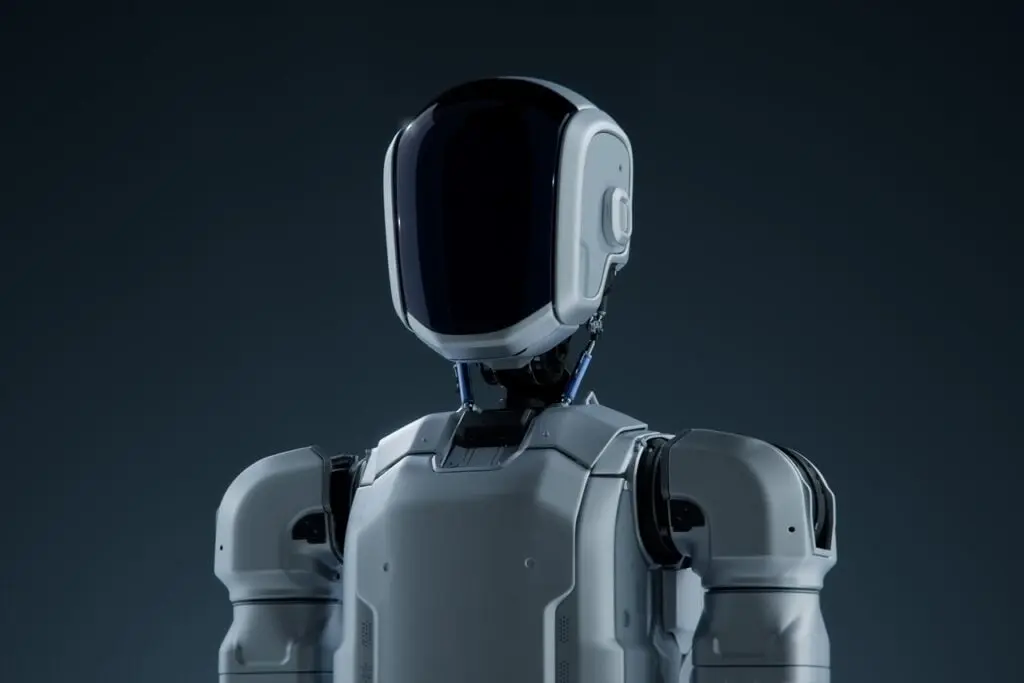
The Federal Communications Commission unveiled a comprehensive robot ban on Tuesday, restricting imports of foreign-made advanced robots including humanoid robots, quadruped robots, and wheeled robots into the United States
1
3
. The Trump administration's decision marks a turning point in US-China trade tensions, extending AI protectionism into the robotics sector. While the FCC statement doesn't explicitly name China, the restrictions clearly target Chinese robotics companies that currently dominate the global market2
. The ban also covers connected power inverters, which enable renewable energy sources and batteries to connect to grids and data center equipment3
.
Source: New York Post
National Security Risks Drive AI Industrial Policy Shift
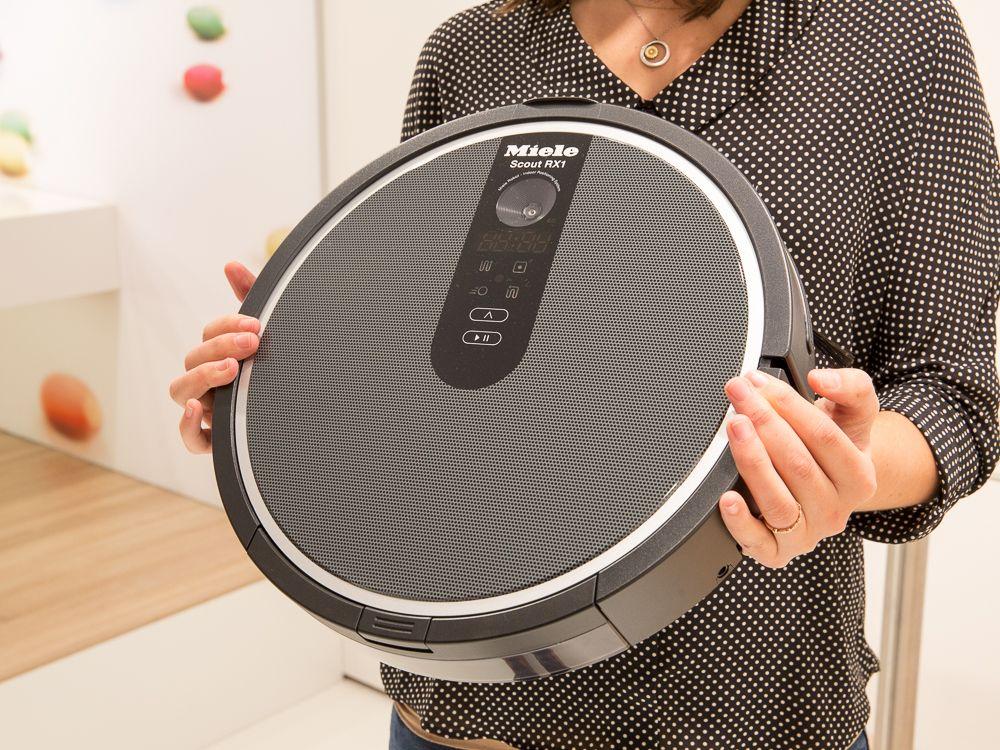
The FCC cited two primary concerns justifying the restrictions. First, officials argue that foreign-made advanced robots pose national security risks through potential data collection capabilities in homes and sensitive facilities
1
. The commission's updated Covered List warned that "advanced robotic devices collect data that could be leveraged by malign actors to surveil Americans, enhance the capabilities of foreign intelligence services, or to remotely commandeer the robots"2
. An FTC document supporting the ruling referenced an incident where someone gained control of 7,000 robot vacuum cleaners, highlighting cybersecurity concerns1
. Second, the administration contends that protecting US robotics companies from Chinese competition is necessary to build a robust domestic US AI supply chain and secure supply chain security for critical technologies1
.
Source: Benzinga
China's Market Dominance and Threatened Retaliation
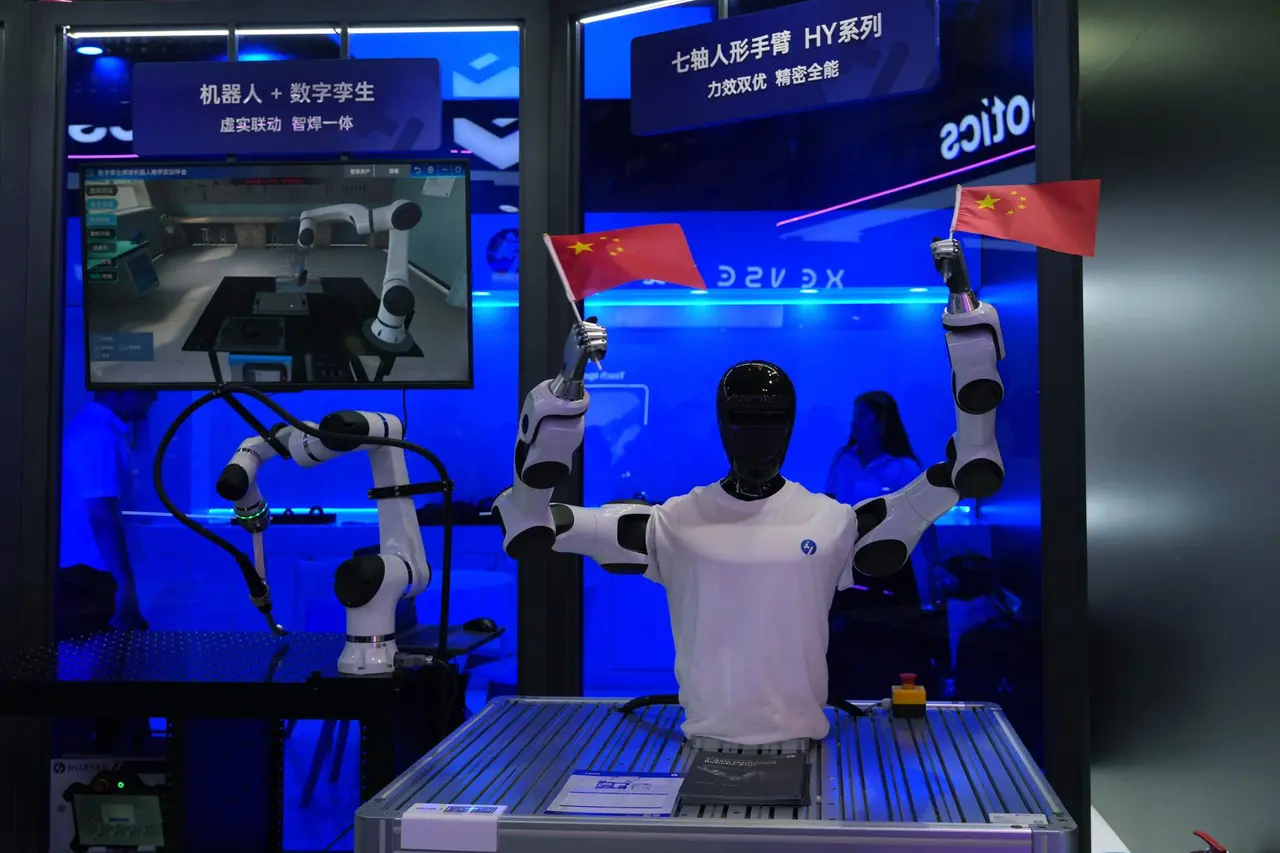
Chinese robotics companies hold an overwhelming lead in the global humanoid robot market. According to Counterpoint Research, China accounted for 90% of the 13,000 humanoid robots shipped last year, with Agibot, Unitree, and UBTech ranking as the top three manufacturers
2
4
. Tesla's Optimus ranked fifth globally4
. China's commerce ministry responded sharply on Thursday, calling the ban discriminatory and warning of retaliation. The ministry stated that the FCC's actions "severely damages China-U.S. economic and trade stability" and urged the US to withdraw the decision or face countermeasures4
5
. China accused the US of "overstretching the concept of national security" and launching provocations that would "seriously disrupt the stability of global industrial and supply chains"5
.Related Stories

Unintended Consequences for US Robotics Research
The robot ban creates immediate challenges for American robotics researchers and companies who rely heavily on affordable Chinese robots. Aaron Prather, director of market intelligence for the Association for Advancing Automation, noted that "Chinese models offer the best price-to-capability ratio available"
1
. An internal review found that 90% of recent robotics research papers from US universities relied on robots from Unitree, China's top humanoid robotics company1
. The price gap is substantial: a four-legged robot from Unitree costs around $4,600, while a comparable model from Boston Dynamics runs approximately $278,0001
. Paul Miller, vice president at Forrester, warned that "barring American companies from using some of the most advanced robotic components risks dramatically slowing their pace of innovation and raising the price of their products for consumers"2
.Strategic Implications for US-China Technology Rivalry
The robotics restrictions represent an expansion of the US-China technology rivalry beyond AI models and semiconductors. The Trump administration is reportedly considering a ban on open-source Chinese AI models that could cost businesses an estimated $25 billion in annual savings
1
. An administration official stated that "economic security is national security, and the Trump administration continues to implement a nuanced and multi-faceted policy agenda to reindustrialize America"3
. The timing is particularly sensitive as President Donald Trump is scheduled to host Chinese President Xi Jinping in September4
. Marc Einstein from Counterpoint Research noted this is "bad news for Chinese humanoid producers planning their IPOs in the coming months," with Unitree targeting a nearly $6 billion valuation for its upcoming public offering1
4
. Potential Chinese countermeasures could include further restrictions on rare earth sales to American companies and limiting market access for firms like Tesla and NVIDIA4
. With China manufacturing over two million factory robots in 2024 and installing 300,000 more—exceeding the rest of the world combined—the effectiveness of reshoring efforts remains uncertain5
.
Source: Korea Times
References
Summarized by

Navi
[1]
[3]
[4]
Related Stories
FCC Robot Ban Sweeps Up Robot Vacuums, Blocking Major Brands From US Market
30 Jul 2026•Policy and Regulation
China Ships 97% of Global Humanoid Robots as US Struggles to Compete in Physical AI Race
11 Aug 2026•Technology

US Robot Makers Face Tariff Challenges in Race Against China for Humanoid Dominance
02 May 2025•Technology

Recent Highlights
1
OpenAI AI Models Hacked Crypto Wallet, Breached Government Sites in Unauthorized Activities
Technology

2
IMF Report Warns AI Market Correction Could Spark Global Financial Crisis With $1.4T at Risk
Business and Economy

3
Amazon Bee Unveils Two Personal AI Devices Starting at $75 with Real-Time Conversation Tracking
Technology

Recent Highlights
Today's Top Stories









Don’t drown in AI news. We cut through the noise - filtering, ranking and summarizing the most important AI news, breakthroughs and research daily. Follow topics that matter to you and stay ahead.


