Nvidia RTX Spark AI Laptops Launch With Powerful Local AI But Sky-High Prices Starting at $2,600


25 Sources
[1]
HP's OmniBook Ultra 16 Gives Us a First Look at RTX Spark Performance - CNET
The HP OmniBook Ultra 16 helps introduce Nvidia's RTX Spark platform of high-powered (and high-priced) laptops for creative pros and AI developers. Gamers, too, will find something to like with the OmniBook Ultra 16 and other RTX Spark laptops from Asus, Dell, Lenovo, Microsoft and MSI, but these
[2]
A week with RTX Spark: everything we've learned using Nvidia's new laptops
If you buy something from a link, The Verge may earn a commission. See our ethics statement. Nvidia's RTX Spark N1X processor is finally here, and we've been collectively testing a small fortune's worth of powerful laptops sporting this new "superchip." RTX Spark is designed to be a
[3]
Nvidia RTX Spark First Tests: Nvidia's Ambitious AI Laptops Hit the Bench
With a host of Nvidia RTX Spark laptops hitting the street today from Asus, Dell, HP, Lenovo, and others, it was inevitable that one would serve as the guinea pig for our first round of testing. Meet the RTX Spark edition of the Asus ProArt P16. (If you need a refresher on the underlying silicon
[4]
We test the RTX Spark Superchip in Microsoft's Surface Laptop Ultra -- Nvidia's Windows on Arm platform impresses in local AI, but gaming isn't its strong suit
Laying the foundation for the reinvention of the PC in the agentic AI era Nvidia CEO Jensen Huang announced the RTX Spark platform with the grand ambition to "reinvent the PC" back at Computex 2026. By pairing the GB10 Superchip with a version of Windows on Arm tailored for the secure and
[5]

Benchmarked: Nvidia's RTX Spark notebook delivers serious local AI compute, at a price
El Reg digs its claws into HP's N1X-powered OmniBook Ultra 16 Nvidia's RTX Spark partner systems are here, and spec-for-spec they've got all the ingredients for a hit: a potent CPU, blisteringly fast integrated graphics, and up to 128 GB of unified memory in a lightweight, ultra-premium package
[6]
Nvidia RTX Spark First Tests: Can These Ambitious AI Laptops Beat Apple's M5 Max?
With a host of Nvidia RTX Spark laptops hitting the street today from Asus, Dell, HP, Lenovo, and others, it was inevitable that one would serve as the guinea pig for our first round of testing. Meet the RTX Spark edition of the Asus ProArt P16. (If you need a refresher on the underlying silicon
[7]

NVIDIA's RTX Spark is good for Windows, even if you don't need local AI - Engadget
Last week, I spent two days hearing how Microsoft and NVIDIA are "reinventing the PC" with RTX Spark, the new system-on-a-chip powering the Surface Laptop Ultra and several other Windows PCs this fall. It's the first time we've seen powerful Arm CPUs joined together with NVIDIA's Blackwell GPU
[8]

Nvidia's RTX Spark PCs Aren't a Revolution, but They May Change Laptops Forever
Starting this Friday, you'll have multiple laptop makers banging on your door, haranguing you about buying what they'll call a "new class of PC" as your next laptop. They're promising to revolutionize local AI work, push rendering to peak levels, and still have the performance you want as a gaming
[9]
Nvidia RTX Spark: Everything You Need to Know Before Our First Tests
After months of waiting, Nvidia's RTX Spark has officially landed. We've been waiting since the first announcements at Computex, eagerly waiting to see how Nvidia would reshape the laptop field with its "Grace Blackwell" architecture, pumping up the humble Windows laptop with workstation-grade
[10]

Microsoft's Surface Laptop Ultra is a monster AI laptop with a monster price
The question is, what do we compare it to? Historically, devices like the Microsoft Surface Laptop Studio 2 were considered creator-class laptops, with a powerful CPU but a modest GPU aimed at video editing and light gaming. For a more apt comparison, I requisitioned some existing, pure gaming
[11]

'These are outside the budget and needs of mainstream users, for now': I asked a tech expert who RTX Spark laptops are actually for
RTX Spark "represents where the PC industry is likely headed," but it's not ready for mainstream users Nvidia and Microsoft just introduced a new laptop category: the RTX Spark platform. While the best laptops are designed for productivity or gaming, these new notebooks give creators and AI coders
[12]

'It's a beast, but not at everything' -- RTX Spark-powered Microsoft Surface Laptop Ultra lives up to expectations, but you need to be a big fan of local AI
Is the Surface Laptop Ultra price tag justified? This depends on what you need Nvidia's RTX Spark laptops hit the shelves last week, led by Microsoft's Surface Laptop Ultra, and the chip supports up to 128GB of memory. This laptop starts at $2,599.99, but does its performance justify the price
[13]
I just tested the HP OmniBook Ultra 16 -- and it's for the pros only
Why you can trust Tom's Guide Our writers and editors spend hours analyzing and reviewing products, services, and apps to help find what's best for you. Find out more about how we test, analyze, and rate. The HP OmniBook Ultra 16 ($3,199 to start), like all of the new RTX Spark laptops, occupies a
[14]

Nvidia's RTX Spark makes for an impressive Arm-based gaming laptop but not one I'd recommend you buy just for PC gaming
Well, here it is, Nvidia's all-in-one silicon, the RTX Spark. This is an SoC that's being promoted as the everything chip; the processor that can be all things to all people. It's a creator's chip, it's an AI-lover's chip, and it's a gamer's chip. But all three of those kinds of people do need to
[15]

Early RTX Spark reviews show impressive AI performance while gaming falls a little short
The first laptops with NVIDIA's new RTX Spark processor, which pairs a 20-core Grace CPU with up to 6,144 CUDA Cores of RTX Blackwell graphics, are finally ready to launch. The first wave of RTX Spark laptops, arriving in new premium designs from Microsoft, ASUS, Dell, HP, MSI, and Lenovo, marks a
[16]
I tested the Asus ProArt P16 with Nvidia RTX Spark and it's the ultimate AI creator laptop (with a price to match)
Why you can trust Tom's Guide Our writers and editors spend hours analyzing and reviewing products, services, and apps to help find what's best for you. Find out more about how we test, analyze, and rate. Nvidia's RTX Spark chip has been my most anticipated product of the year, and now, it's
[17]
I'm benchmarking Nvidia RTX Spark LIVE: Testing CPU, GPU, AI and gaming performance
Welcome to the benchmark thunderdome. Nvidia RTX Spark is here -- I'm now allowed to tell you about my last week testing it, and benchmark it for you live. This isn't just a new laptop chip -- it's an Arm-based Grace CPU glued to a Blackwell RTX GPU sharing up to 128GB of unified memory. If you
[18]

Microsoft Prices the Surface RTX Spark AI Dev Box At $5,999.99
Microsoft's Surface RTX Spark Dev Box has entered the AI development hardware market with a price of $5,999.99, offering specifications like 128 GB of unified memory and 2 TB SSD storage to support large-scale AI workflows. However, its omission of advanced networking features such as ConnectX-7
[19]

ASUS ProArt P16 "RTX Spark" Laptop Review - NVIDIA's First Full PC Platform Brings Powerful AI & Gaming Capabilities
NVIDIA RTX Spark is a fresh new Windows PC platform. It was first announced at Computex 2026, and now, the first devices are finally hitting shelves. In our initial impressions, we called RTX Spark a Direct Shot at the PC Market, Backed by a Multi-Gen Roadmap That Past 'Windows on Arm' Bids Never
[20]
I've been living with Nvidia's RTX Spark for a week -- it's not a MacBook Pro killer but something much weirder and wildly powerful
Let me be clear from the top. If you are looking for the raw benchmark data, the thermal charts and synthetic scores for Nvidia's RTX Spark, you can head over to my live blog running right now. ...ok are all the speeds and feeds people gone? Good, because while I'm over there doing the math, and
[21]

Microsoft, Nvidia PC is a Bet on Who Pays for AI and Who Controls It
The consensus is that buyers will do well to not evaluate the laptop as the primary purchase as they may find it expensive Two weeks ago Microsoft and Nvidia joined hands to launch a device that aims to integrate AI costs from a metered cloud bill to an asset owned on the desk. The Surface Laptop
[22]

NVIDIA RTX Spark: All you need to know
"iPhone made people think differently about smartphone, RTX Spark is going to make people think differently about the PC": Nvidia. Nvidia Spark is here to usher 'a new paradigm of personal computing' that puts agentic AI front and centre on a Windows PC. The RTX Spark technology puts a Blackwell
[23]

NVIDIA RTX Spark Laptops Launch with Six Brands, Prices Start at USD 2,599
NVIDIA RTX Spark laptops are now available globally, with ASUS, Dell, HP, Lenovo, Microsoft, and MSI joining the lineup. Prices start at USD 2,599, while India-specific pricing and availability remain unannounced. NVIDIA RTX Spark laptops launched globally on October 16, 2026, across six major
[24]

NVIDIA RTX Spark review: Windows on Arm gets serious about graphics and local AI
CUDA and unified memory give the platform a clear local AI proposition, while Arm compatibility and preview software still need consideration. Windows on Arm has spent years trying to answer a fairly straightforward question: can a laptop move away from x86 without making familiar software feel
[25]
NVIDIA RTX Spark brings 128 GB memory and local AI to Windows laptops starting at USD 2599
New software spans local AI agents, NVIDIA Broadcast, DLSS 5 updates and an RTX Remix mod kit for Minecraft Java. NVIDIA is bringing more of its AI and graphics technology into Windows laptops with RTX Spark, a platform that combines an Arm-based Grace CPU, Blackwell graphics and up to 128 GB of
Share
Copy Link
Nvidia's RTX Spark platform debuts with laptops from HP, Asus, Microsoft, Lenovo, and Dell featuring the N1X system-on-chip with up to 128GB unified memory and 6,144 CUDA cores. Early benchmarks show impressive local AI performance that outpaces Apple's M5 Max, but prices range from $2,600 to nearly $7,000 and Windows on Arm compatibility challenges remain.
Nvidia Launches RTX Spark Platform to Reinvent the PC for AI Era
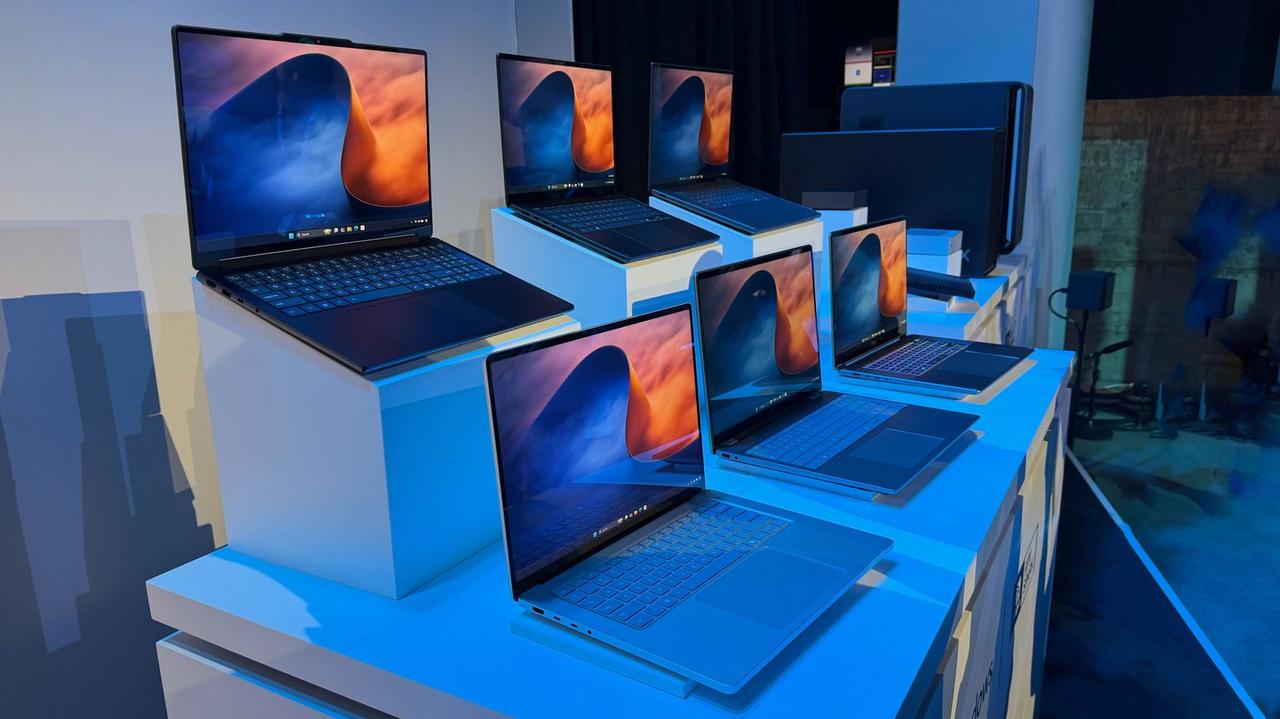
Nvidia has officially launched its RTX Spark platform, introducing a new category of high-powered AI laptops designed for creative professionals and AI developers
1
4
. First announced by Jensen Huang at Computex 2026, the platform aims to "reinvent the PC" for the agentic AI era by pairing powerful hardware with Windows on Arm optimized for secure local AI agent execution4
. Partner manufacturers including HP, Asus, Microsoft, Lenovo, Dell, and MSI are now shipping systems powered by the RTX Spark N1X system-on-chip, though buyers will need substantial budgets with entry prices starting around $2,600 and top configurations exceeding $6,0002
5
.
Source: Engadget
RTX Spark N1X Chip Combines Arm Architecture With Nvidia Blackwell GPU
The RTX Spark N1X represents Nvidia's entry into the Arm-based laptop processor market, competing directly with Apple's M-series and Qualcomm's Snapdragon X-series chips
1
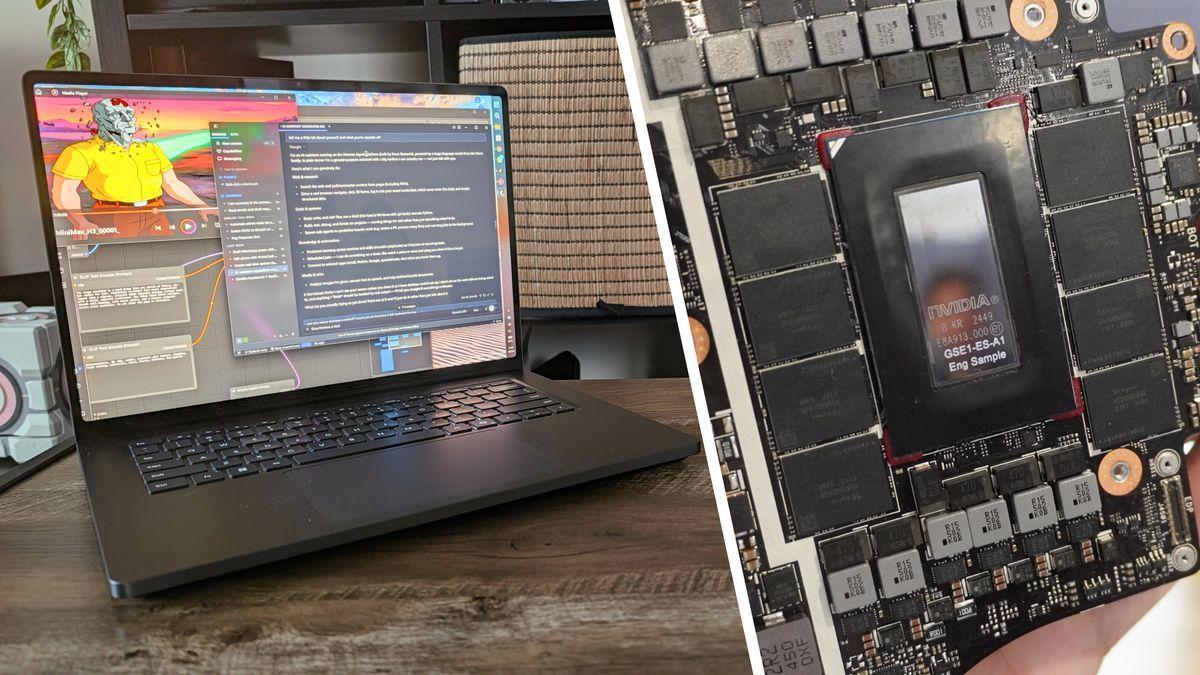
. The system-on-chip integrates a MediaTek-derived Arm processor with Nvidia's Blackwell GPU using advanced packaging and NVLink Fusion chip-to-chip interconnect technology5
. Two variants are available: an entry-level version featuring an 18-core Grace CPU with a Blackwell GPU containing 5,120 CUDA cores supporting up to 64GB of unified memory, and a high-end variant with a 20-core Grace CPU and 6,144 CUDA cores supporting up to 128GB of RAM1
3
. The unified memory architecture allows the CPU and GPU to directly share a coherent pool of RAM with memory bandwidth reaching up to 300GB per second, eliminating the low-bandwidth bottlenecks found in traditional Intel systems1
.
Source: Tom's Guide
Local AI Performance Impresses But Gaming Results Show Mixed Outcomes
Early benchmarks demonstrate that RTX Spark excels at local AI workloads, with the platform showing particular strength in agentic AI tasks. Testing using the AgentPerf-local benchmark with the Qwen 3.8-27B model revealed that Microsoft's Surface Laptop Ultra with RTX Spark completed tasks approximately 25% faster than Apple's M5 Max MacBook Pro despite the Mac's memory bandwidth advantage on paper
4
. Users can allocate memory between the CPU and GPU through the Nvidia app, with options ranging from 12GB to 96GB dedicated to graphics depending on total system memory1
. However, gaming performance shows more variable results. While the Nvidia Blackwell GPU can bruteforce through Windows on Arm's emulation layer, testers found that medium settings at 1440p with DLSS 5 performance mode typically delivered stable 60fps in most games2
. Black Myth: Wukong averaged 70fps and Cyberpunk 2077 managed 66fps, though some titles may require lower resolution or settings adjustments2
.Windows on Arm Compatibility Improves But Challenges Persist
Windows on Arm has evolved significantly from its problematic early years, with substantial development work driven by Qualcomm's Snapdragon X chips resulting in many native Arm applications
2
. Adobe now offers native Arm versions of Photoshop and Premiere, and many x86 applications run smoothly through Microsoft's Prism emulation layer without noticeable performance impacts2
. Testers using RTX Spark as daily drivers reported that most typical work applications including Signal, Discord, Audacity, and Slack functioned without issues, though occasional longer load times raised brief concerns about app compatibility2
. The primary compatibility hitches emerged with gaming and specialized software, where users relying exclusively on x86-based applications may still encounter limitations2
.Related Stories
Premium Hardware Design Comes With Thermal Management Tradeoffs
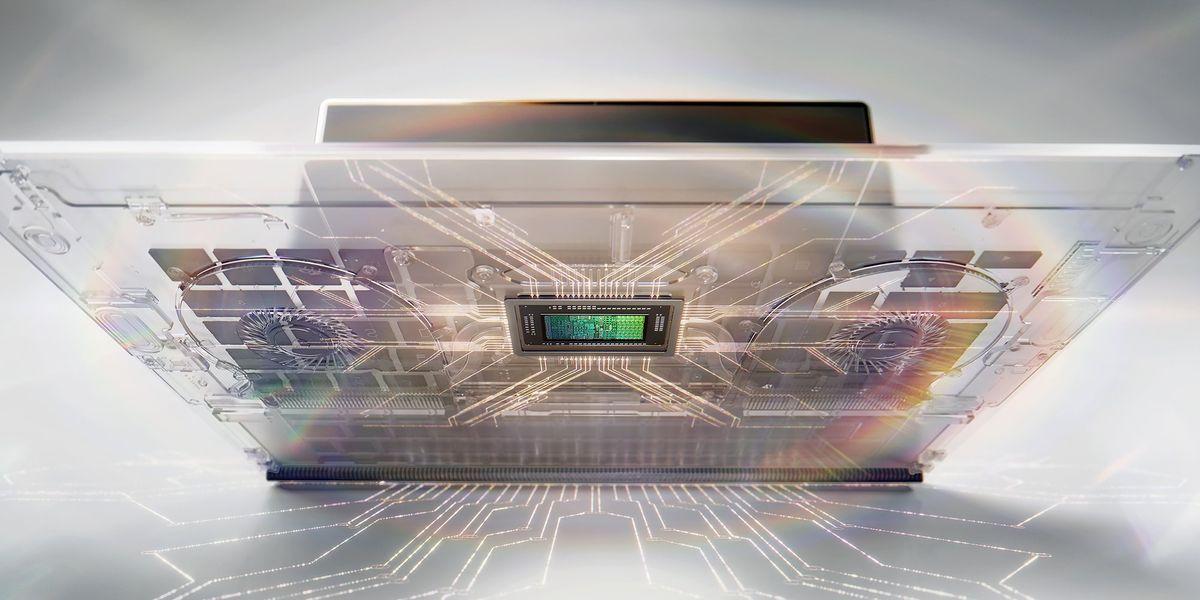
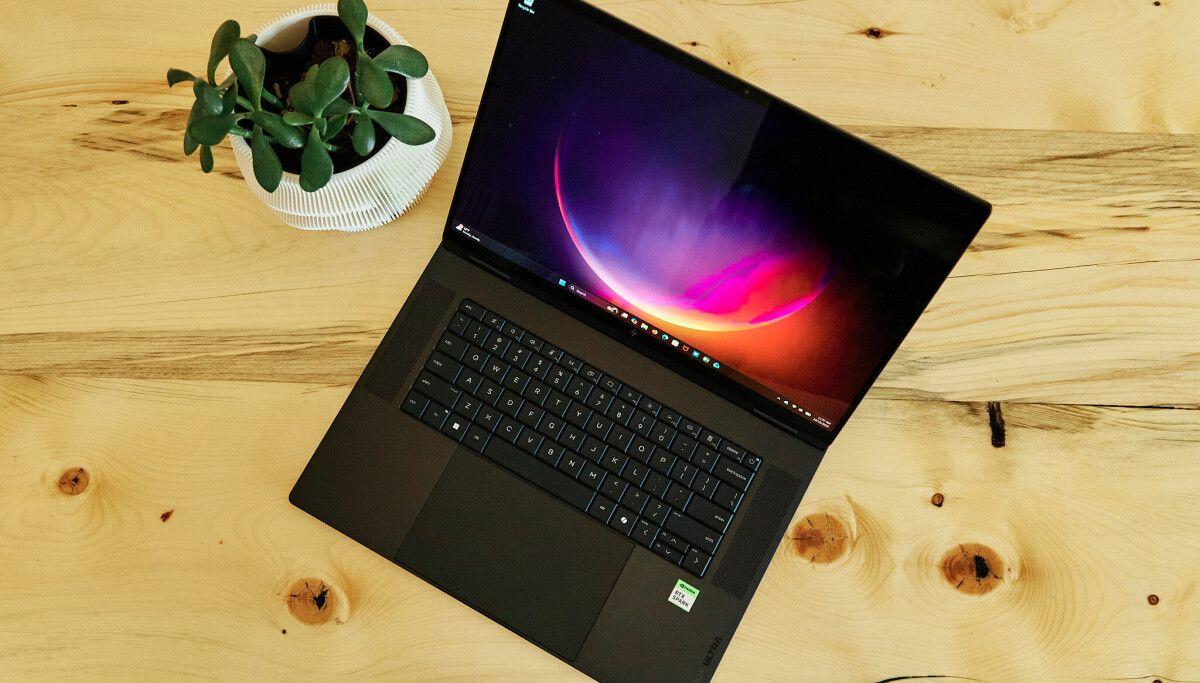
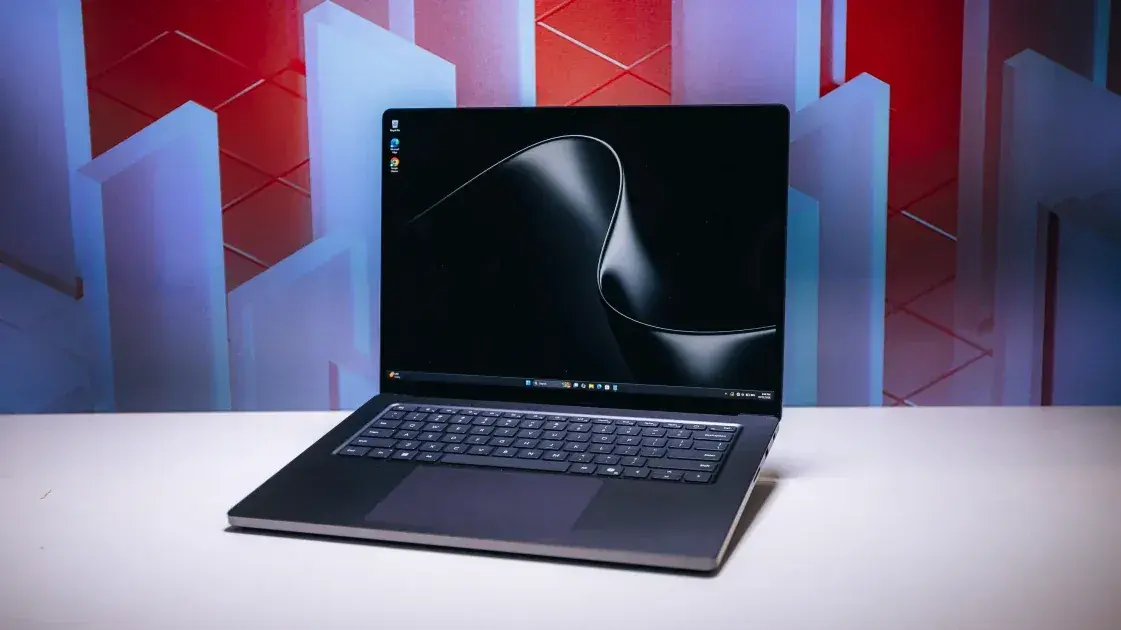
Manufacturers have invested heavily in premium build quality for RTX Spark systems. The HP OmniBook Ultra 16 features an all-aluminum chassis with rigid construction matching the MacBook Pro's premium feel, along with a stunning 3K OLED touchscreen and an expansive haptic touchpad
1
5
. HP introduced a unique thermal architecture with a "tower hinge" design where the display rests on top of the back edge rather than behind it, maximizing airflow through the system with two cooling fans and three heat pipes1
. Despite these innovations, the 20-core N1X runs hot under heavy workloads, with heat concentrated around the display base though kept away from the keyboard area5
. The Asus ProArt P16 measures slightly thinner and lighter than comparable creator workstations while maintaining a 16-inch OLED display, though it still weighs 4.89 pounds3
5
.
Source: The Register
Pricing Structure Targets Professional Market With Memory Upgrades Driving Costs
RTX Spark laptops command premium pricing that reflects their positioning as professional content creation and AI development tools rather than consumer devices. The HP OmniBook Ultra 16 starts at $3,200 for 32GB RAM and 1TB storage, jumps to $5,000 with 64GB RAM and 2TB storage, and reaches $6,200 for the maximum 128GB configuration
1
. The Asus ProArt P16 offers more configuration flexibility starting at $2,799.99 with the 18-core N1X chip, 24GB unified memory and 512GB storage, scaling up to $6,999.99 for the top-tier 20-core model with 128GB RAM and 2TB storage3
. Microsoft's Surface Laptop Ultra and smaller Asus ProArt P14 can be configured as low as $2,599.99 with 24GB RAM, though these entry configurations use the lower-powered 18-core chip2
. Memory selection proves critical since RAM is soldered to the motherboard and cannot be upgraded after purchase, making the initial configuration decision permanent1
. For AI enthusiasts, researchers, and creative professionals who need substantial video memory and prefer Nvidia's CUDA ecosystem over alternatives, the pricing may be justified despite being well above mainstream laptop costs5
.References
Summarized by

Navi
[4]
Related Stories
RTX Spark Laptops Redefine AI PCs with Unified Memory Architecture Starting at $2,599.99
04 Nov 2026•Technology
Microsoft's RTX Spark Dev Box targets AI developers, but raises questions about accessibility
04 Jun 2026•Technology

Microsoft and Nvidia Launch Surface Laptop Ultra: A $2,599 AI-Ready PC With RTX Spark Chip
06 Oct 2026•Technology
Recent Highlights



Recent Highlights
Today's Top Stories








Don’t drown in AI news. We cut through the noise - filtering, ranking and summarizing the most important AI news, breakthroughs and research daily. Follow topics that matter to you and stay ahead.


