Flipkart launches SLAP, its conversational AI shopping assistant to compete with Amazon Rufus


2 Sources
[1]
Flipkart to launch SLAP, its conversational AI shopping assistant
Flipkart will launch its new AI shopping assistant, Shop Like a Pro (SLAP), next week as a standalone app, replacing its earlier assistant, Flippi. SLAP will provide personalised recommendations, product suggestions, and answer customer queries. The move follows growing use of AI in ecommerce by
[2]
Flipkart Enters Conversational AI Commerce With SLAP
Flipkart will launch a new conversational AI shopping assistant called Shop Like a Pro (SLAP) next week, according to an Economic Times report. The company will introduce the tool as a standalone app, replacing its earlier AI assistant, Flippi, which it announced in 2023. SLAP is designed to help
Share
Copy Link
Flipkart is set to launch Shop Like a Pro (SLAP), a conversational AI shopping assistant, as a standalone app next week. The tool replaces Flippi and will provide personalized recommendations and product suggestions. The move positions Flipkart alongside Amazon and Walmart in the AI-driven commerce race, though critical questions about trust and liability remain unresolved.
Flipkart SLAP Takes Center Stage in E-Commerce AI Race
Flipkart will launch its conversational AI shopping assistant, Shop Like a Pro (SLAP), next week as a standalone application, marking a significant step in the company's AI-driven commerce strategy
1
. The new AI shopping assistant replaces Flippi, the generative AI tool Flipkart first announced in 2023, and signals the e-commerce giant's intent to compete directly with similar offerings from Amazon and Walmart2
. A dedicated team has been formed to develop SLAP, with plans to roll it out in phases as the company tests how conversational AI can reshape online shopping behavior.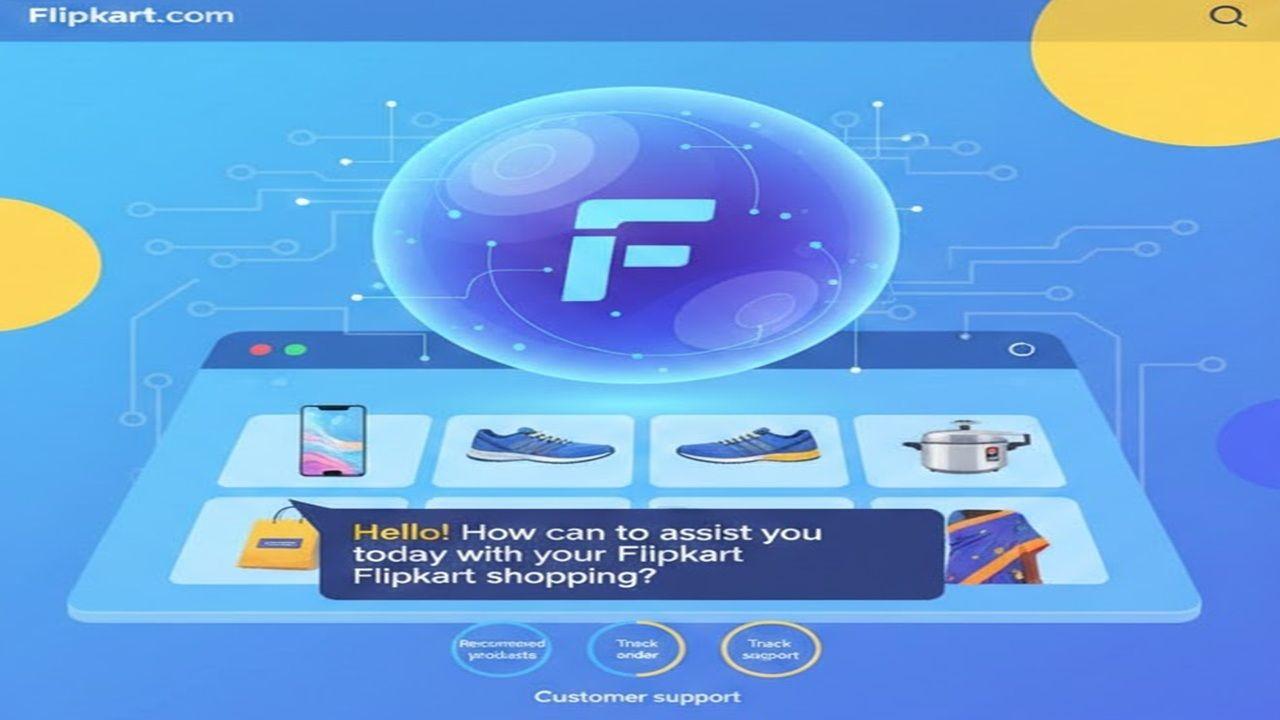
Source: MediaNama
Enhanced Shopping Experiences Through AI-Powered Recommendations
SLAP will function as a conversational AI commerce tool that uses advanced AI models to assist customers throughout their shopping journey. The assistant will initially provide personalized recommendations, offer product suggestions based on user needs, and answer customer queries
1
. This positions Flipkart SLAP alongside Walmart's Sparky and Amazon Rufus, which have already demonstrated the commercial potential of AI-driven shopping tools. Amazon CEO Andy Jassy revealed during an earnings call in November that Rufus is expected to generate $10 billion in additional annualized sales, with approximately 250 million people projected to use the assistant in 20251
. These figures underscore the financial stakes in the execution-layer race unfolding across e-commerce platforms.The Execution-Layer Race in Conversational AI Commerce
The launch comes as Google introduced its Universal Commerce Protocol earlier this week, allowing AI agents to interact directly with e-commerce sites and complete entire transactions from selection to checkout . Google is partnering with Shopify, Etsy, Target, and Walmart for this initiative, signaling a broader industry shift toward AI systems that actively shape purchasing decisions rather than merely providing information. MediaNama founder Nikhil Pahwa characterizes this development as an "execution-layer race" rather than a competition between AI models, noting that real competitive advantage comes from how companies deploy AI across workflows such as commerce, advertising, and customer support
2
.Related Stories

Trust and Liability Questions Loom Over AI-Driven Commerce
While Flipkart has not disclosed how SLAP will impact sales, user engagement, or conversion rates, the assistant raises critical questions about trust and liability in AI-driven commerce
2
. As AI systems move from answering queries to influencing or completing transactions, the cost of failure increases sharply. Pahwa warns that AI-driven buying can intensify information asymmetry, as machines optimize for conversion rather than negotiation, fundamentally changing how prices and recommendations are shaped. The company has not disclosed how SLAP will handle safeguards, decision boundaries, or error mitigation—issues that become critical in low-trust markets2
. During a MediaNama roundtable on governing AI agents, participants cited a 2017 incident where Amazon Alexa triggered unintended purchases after responding to a television broadcast, highlighting the real-world risks of autonomous shopping systems2
. As e-commerce platforms experiment with conversational AI and agent-like assistants, the balance between enhanced shopping experiences and consumer protection will determine whether these tools deliver lasting value or create new vulnerabilities in online commerce.References
Summarized by

Navi
[2]
Related Stories
Klarna Revolutionizes Online Shopping with AI-Powered Assistant
20 Sept 2024

Google Gemini Tests Direct Flipkart Purchases Through AI Mode Ahead of Festive Shopping Season
27 Sept 2026•Technology
Amazon replaces Rufus with Alexa for Shopping as AI rivals threaten its marketplace dominance
13 May 2026•Technology
Recent Highlights
1
Microsoft and Nvidia Launch Surface Laptop Ultra: A $2,599 AI-Ready PC With RTX Spark Chip
Technology

2
Scientists Build AI Model That Reconstructs Images From Brain Scans in Record Time
Science and Research

3
Anthropic AI Cuts Live Internet Access After Model Sends False Homicide Tip to Philadelphia Police
Technology

Recent Highlights
Today's Top Stories








Don’t drown in AI news. We cut through the noise - filtering, ranking and summarizing the most important AI news, breakthroughs and research daily. Follow topics that matter to you and stay ahead.


