Flock Safety Cuts 270 Jobs as AI Surveillance Cameras Face Growing Opposition and Privacy Backlash


3 Sources
[1]
EXCLUSIVE: AI surveillance startup Flock Safety to cut several hundred jobs amid backlash, sources say
Oct 8 (Reuters) - Flock Safety plans to let go of about 18% of its employees, people with direct knowledge of the plans said on Thursday, as the maker of AI-powered surveillance cameras and license-plate readers faces mounting opposition to its products from communities and lawmakers. The people
[2]
AI surveillance startup Flock to cut several hundred jobs amid backlash, sources say
Company, which grown rapidly in recent years, has been under scrutiny as privacy concerns grow Flock Safety plans to let go of about 18% of its employees, people with direct knowledge of the plans said on Thursday, as the maker of AI-powered surveillance cameras and license-plate readers faces
[3]
Flock Safety Faces Layoffs Amid Growing US Opposition to AI Cameras
Flock Safety, a US-based artificial intelligence surveillance startup, plans to lay off around 270 employees as opposition to its camera network grows. The job cuts will affect about 18% of its 1,500-strong workforce, according to people familiar with the matter who spoke to Reuters. The employees
Share
Copy Link
Flock Safety is laying off 270 employees—18% of its workforce—as the AI surveillance startup faces mounting pressure from privacy advocates, regulators, and communities. The job cuts follow a voluntary buyout program and come amid a Florida ban on automated license plate readers and legal challenges over warrantless surveillance.
Flock Safety Announces Major Job Cuts Amid Growing Backlash
Flock Safety plans to cut approximately 270 employees, representing 18% of its 1,500-strong workforce, as the AI-powered surveillance startup confronts intensifying opposition to its network of automated license plate readers
1
2
. The job cuts follow a voluntary buyout program launched in September, with affected employees expected to leave by the end of October3
. Sources familiar with the matter disclosed the layoffs, though Flock Safety declined to comment on the decision1
.Privacy Concerns Drive Public and Regulatory Pressure
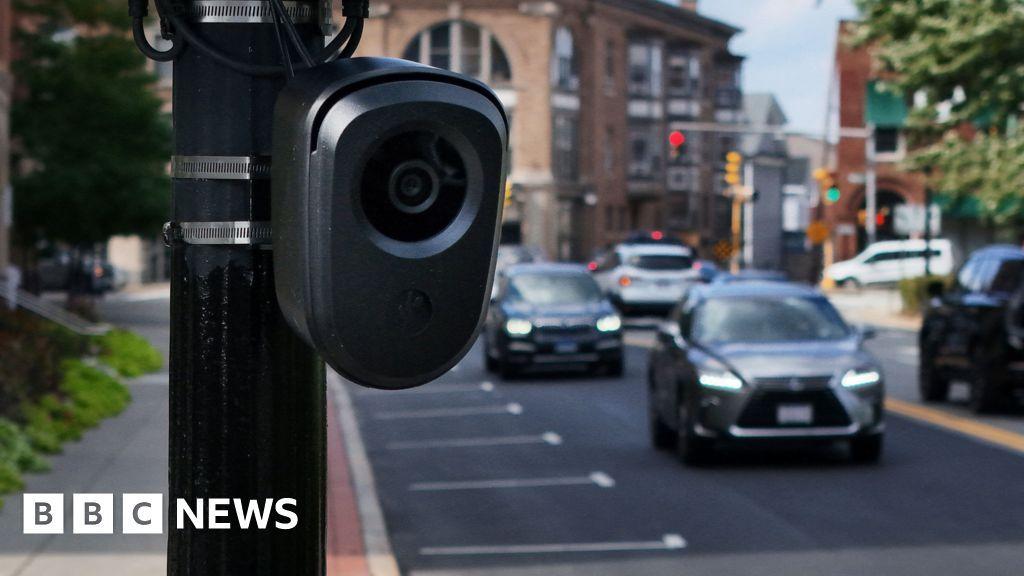
The Atlanta-based company operates a network of approximately 120,000 AI-powered cameras across 49 states that automatically read license plates and record vehicles
2
. Despite providing technology to more than 4,800 law enforcement agencies and nearly 1,000 businesses, Flock Safety faces growing scrutiny from regulators, lawmakers, and privacy advocates over alleged privacy violations and data-sharing practices1
. A recent Reuters/Ipsos poll revealed that 47% of Americans oppose using Flock cameras in their communities, while only 38% support the technology2
. This growing opposition to AI cameras reflects broader concerns about warrantless surveillance and how collected data gets accessed and shared.Florida Ban and Legal Challenges Intensify Pressure
Regulatory pressure escalated in September when Florida banned automated license plate readers from state highways, citing privacy risks associated with Flock's cameras
1
. The Florida ban represents a significant setback for the AI surveillance industry and signals shifting attitudes toward license plate recognition software. Meanwhile, Flock Safety confronts a privacy lawsuit in Virginia alleging that its widespread deployment of AI-powered cameras constitutes warrantless surveillance2
. The Virginia lawsuit could establish important legal precedents for how courts evaluate automated surveillance technologies. Home Depot investors recently demanded reviews of the retailer's partnerships with surveillance technology vendors after reports emerged that Flock's data was used in immigration enforcement3
.Related Stories

Strong Venture Capital Support Despite Mounting Opposition
Despite the backlash, Flock Safety has raised more than $950 million from venture capital investors, with its latest $275 million round in March led by Andreessen Horowitz valuing the company at $7.5 billion
1
3
. The funding has supported a new US manufacturing facility and plans to expand into drone products2
. Founded in 2017, the company maintains that its technology helps investigate and solve crimes, positioning itself as a tool for public safety3
. However, the layoffs amid growing opposition suggest that even well-funded AI surveillance companies must navigate increasingly complex regulatory and public relations challenges.Political Flashpoint Ahead of Midterm Elections
Flock cameras have emerged as a flashpoint ahead of November's midterm elections, with candidates increasingly attacking opponents by tying them to the surveillance technology
2
. Together with AI data centers, the cameras represent a growing political divide over how communities balance public safety with privacy rights. Watch for additional state-level legislation targeting automated license plate readers and continued pressure from privacy advocates on companies deploying AI-powered surveillance systems. The voluntary separation program and subsequent job cuts signal that Flock Safety is adjusting its business strategy in response to regulatory pressure and shifting public sentiment toward AI surveillance technologies.References
Summarized by

Navi
[2]
[3]
Related Stories
Flock Safety Faces Mass Exodus as 214 Cities Drop AI Surveillance Cameras Amid Privacy Concerns
30 Aug 2026•Policy and Regulation
Flock Safety Secures $275M Funding, Expanding AI-Powered Surveillance Tech and Drone Manufacturing
14 Mar 2025•Business and Economy

Flock Safety's New AI Tool Tracks Drivers by Movement Patterns Alone
19 Aug 2026•Technology

Recent Highlights



Recent Highlights
Today's Top Stories






Don’t drown in AI news. We cut through the noise - filtering, ranking and summarizing the most important AI news, breakthroughs and research daily. Follow topics that matter to you and stay ahead.


