Florida Bans AI License Plate Readers on State Highways Amid Growing Privacy Concerns


3 Sources
[1]
Florida halts all new license plate reader camera permits and orders existing ones removed within 30 days
Amid a growing backlash against license plate reader (LPR) cameras and citing concerns over privacy, Gov. Ron DeSantis' administration on Monday moved to shut down the newly ubiquitous technology on state roads. The cameras, made by Flock Safety and other companies, use artificial intelligence to
[2]
Florida orders removal of Flock cameras from state highways
Florida is halting the use of automated license plate readers (LPRs), including Flock Safety's controversial cameras, on state highways, its transportation department announced Monday. The Florida Department of Transportation (FDOT) said in a memo to local law enforcement agencies that they should
[3]
Florida bans highway license-plate readers as backlash over surveillance spreads
NEW YORK, Sept 3 (Reuters) - Florida has banned local police from placing cameras that read license plates on its state highways in response to growing divisions over law enforcement's use of technology supplied by Flock Safety and others to track vehicles in many parts of the U.S. Florida's
Share
Copy Link
Florida's Department of Transportation halted all new license plate reader permits and ordered existing cameras removed within 30 days. Governor Ron DeSantis cited privacy concerns and potential misuse of AI-powered surveillance technologies, joining a nationwide backlash against Flock Safety cameras.
Florida Takes Decisive Action Against AI-Powered Surveillance
Florida has become the latest battleground in the national debate over AI surveillance technologies. The Florida Department of Transportation issued a memo this week ordering the removal of all license plate reader cameras from state highways within 30 days and halting future permits. The decision affects AI-powered systems from Flock Safety and other companies that automatically track vehicle movements across the state.
1
The Florida halts license plate reader cameras directive comes amid mounting data privacy issues and documented cases of law enforcement misuse. Governor Ron DeSantis directly addressed these privacy concerns during a Jacksonville press conference, warning against allowing Florida to become a digital AI surveillance state. "If you want to get in your car and you want to go down to Buc-ee's in St. Augustine, it's really none of the government's damn business if you're doing that," DeSantis stated.
2
Understanding the Technology Behind the Controversy
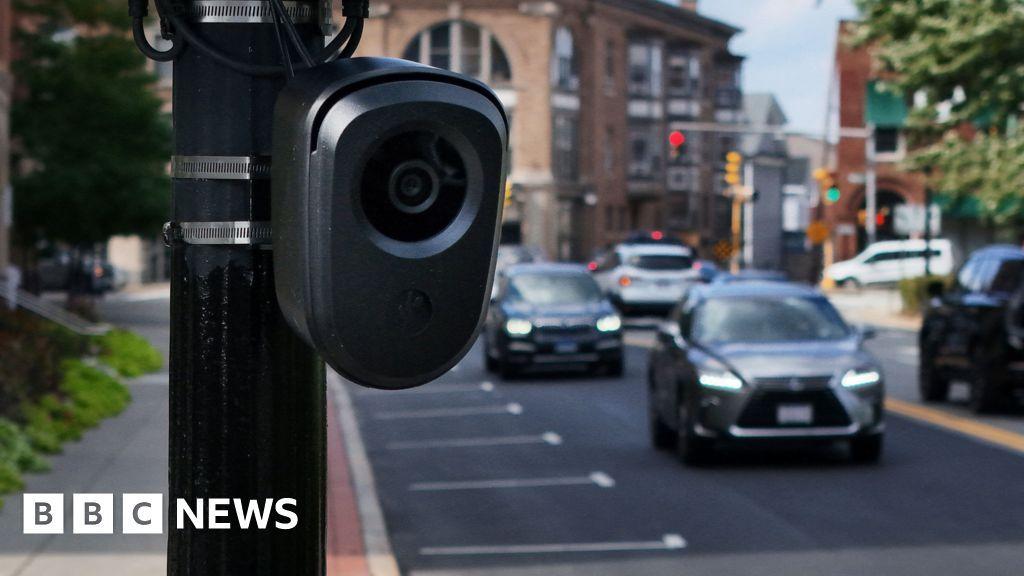
Flock Safety cameras represent a significant leap in surveillance capability beyond traditional traffic monitoring. These AI-powered surveillance technologies don't simply capture license plates—they create detailed vehicle signatures that include make, model, color, and distinctive features. The company operates a network of approximately 120,000 cameras across 49 states, automatically recording vehicles as they pass.
3
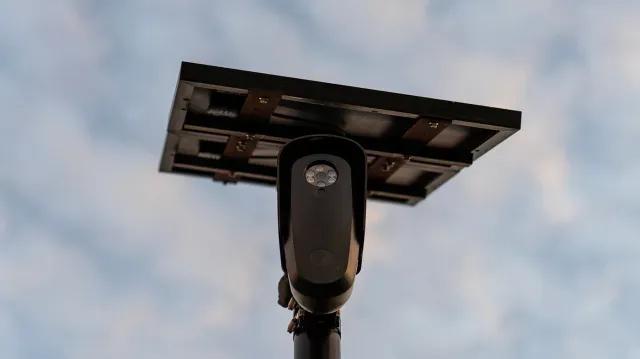
Source: The Hill
The removal of Flock cameras from Florida's state highways addresses concerns about how this data could be monetized or misused. DeSantis emphasized the commercial potential for abuse, noting that companies could "make a fortune in selling that to companies for advertising and product placement." He also referenced COVID-19 lockdown enforcement as an example of how such systems might be weaponized against citizens.
1
Nationwide Backlash Over Surveillance Intensifies
Florida's action reflects a broader backlash over surveillance that has reached more than 150 cities as of this week, according to antisurveillance organization DeFlock. Texas Governor Greg Abbott recently ordered state agencies to pause funding for Flock cameras, making this a bipartisan issue transcending traditional political divisions.
2
A Reuters/Ipsos poll reveals deep divisions among Americans on this crime-solving tool. While 38% of respondents support Flock cameras in their communities, 47% oppose their use. The split follows partisan lines, with 54% of Republicans favoring the technology compared to the same percentage of Democrats opposing it.
3
Related Stories

Local Law Enforcement Responds to State Mandate
Several Florida counties moved quickly to comply with the state directive. Putnam County Sheriff H.D. DeLoach announced the discontinuation of his department's program, citing "legitimate questions" about "privacy, data sharing, governmental oversight and the future regulation of this technology." Clay County similarly removed all license plate readers from its roadways.
2

Source: Market Screener
However, not all local officials support the rapid timeline. Miami Beach Mayor Steven Meiner warned that "this blanket ban" would "have serious consequences for public safety." The tension highlights the challenge of balancing security needs against the ethical implications of pervasive surveillance.
2
What Comes Next for Florida and Beyond
Governor Ron DeSantis called for state lawmakers to introduce comprehensive legislation addressing license plate readers, acknowledging that the current memo could be reversed by his successor taking office in January. He emphasized the need for stronger penalties for misuse of surveillance data.
1
Flock Safety defended its technology in a statement, arguing it "helps solve crimes in Florida and throughout the country." The company advocated for "thoughtful legislation and strong privacy, transparency, and accountability guard rails" rather than outright bans.
3
The Florida decision on state highways leaves local jurisdictions free to make their own choices about cameras on city and county roads, setting up a patchwork of policies that may create confusion and inconsistency. As AI-powered surveillance becomes increasingly sophisticated and widespread, Florida's action signals that the debate over balancing public safety with individual privacy rights is far from settled.
References
Summarized by

Navi
Related Stories
Flock Safety Faces Mass Exodus as 214 Cities Drop AI Surveillance Cameras Amid Privacy Concerns
30 Aug 2026•Policy and Regulation
Ban Flock Act Introduced After Federal Judge Rules License Plate Readers Unconstitutional
03 Oct 2026•Policy and Regulation

Senate Targets Flock's AI Surveillance Network as Privacy Concerns Mount Across 120,000 Cameras
24 Sept 2026•Policy and Regulation
Recent Highlights



Recent Highlights
Today's Top Stories










Don’t drown in AI news. We cut through the noise - filtering, ranking and summarizing the most important AI news, breakthroughs and research daily. Follow topics that matter to you and stay ahead.


