Former xAI Staffer Raises $50M to Build Deepfake Defense Startup as AI Fraud Surges 1,600%


2 Sources
[1]
Former xAI Staffer Seeks $50 Million for Deepfake Defense Startup | PYMNTS.com
Oberoi has begun funding talks with investors at a $250 million valuation for Moir, according to the report. A Moir spokesperson declined to comment, per the report. Oberoi was with xAI for eight months, focusing on post-training, human data for multimodel Grok 3 and Grok 4, according to her
[2]
Former xAI staffer seeks $50M for deepfake-fighting startup Moir - Bloomberg By Investing.com
Investing.com - A former xAI and Google employee is in discussions to raise approximately $50 million in seed funding for a new company focused on combating deepfakes online, according to Bloomberg, citing a person familiar with the matter. Tina Oberoi is forming a startup called Moir that aims to
Share
Copy Link
Tina Oberoi, who worked on Grok 3 and Grok 4 at xAI, is launching Moir with $50 million in seed funding at a $250 million valuation. The Palo Alto startup aims to help people prove their identities online as AI-generated deepfakes fuel fraud losses exceeding $893 million in 2025 alone.
Former xAI Engineer Launches Deepfake-Fighting Startup
Tina Oberoi, a former xAI staffer who worked on multimodal AI models including Grok 3 and Grok 4, is in discussions to raise approximately $50 million in seed funding for her new venture, startup Moir
1
2
. The deepfake-fighting startup, based in Palo Alto, California, has begun funding talks with investors at a $250 million valuation2
. Oberoi spent eight months at xAI focusing on post-training human data for the company's advanced AI systems before deciding to address one of artificial intelligence's most pressing threats1
.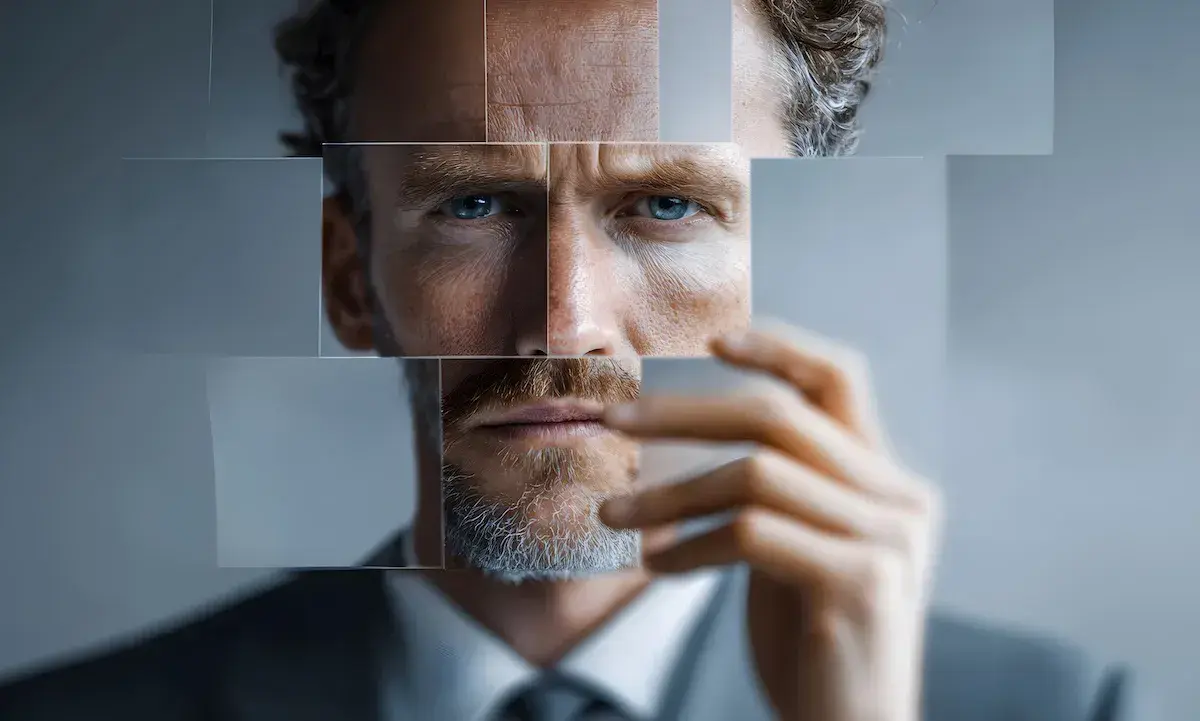
Source: PYMNTS
Addressing the Deepfake Defense Challenge
Moir aims to develop technology that helps individuals verify online identities as AI-generated deepfakes make it increasingly difficult to determine if digital content is authentic
2
. Research from June revealed that most people can no longer distinguish real photos, videos, or voice recordings from AI creations, with the technology leaving even experts doubting their abilities1
. Before joining xAI, Oberoi worked at Google for more than five years, first as a software engineer and then as a customer engineer specializing in data and AI1
. She joins a growing number of former employees who have left Elon Musk's AI venture to start their own firms2
.Explosive Growth in AI-Generated Fraud
The urgency behind defending against AI becomes clear when examining recent fraud statistics. Cybersecurity company CybelAngel reported that deepfake-enabled vishing attacks surged 1,600% in the first quarter of 2025 compared to the fourth quarter of 2024 in the United States alone
1
. The FBI's 2025 Internet Crime Report documented more than 22,000 AI-related fraud complaints with losses exceeding $893 million1
. These figures underscore how AI-generated content proliferation has created substantial financial and security risks across industries.Related Stories

Corporate Detection Rates Signal Widespread Impact
A PYMNTS Intelligence report from April found that 47% of firms with between $50 million and $250 million in annual revenue detected AI-generated identity documents and deepfakes in the last year
1
. For larger organizations with over $1 billion in annual revenue, that figure jumped to 58%1
. The report noted that "at scale, the attack surface shifts from synthetic identity fraud toward deepfakes and automated scraping, revealing how the composition of agent attacks changes with scale"1
.The Trust Problem in Digital Identity
Because AI imposters can now imitate normal human behavior, financial institutions and other organizations need different approaches to establish trust, according to a September PYMNTS Intelligence report titled "When Fraud Becomes the Customer: The Next Battlefront for Issuers"
1
. "The challenge for issuers is no longer simply detecting suspicious transactions," the report stated. "It is distinguishing genuine customers from convincing imposters without adding unnecessary friction for legitimate users"1
. This balance between security and user experience represents the core challenge that Moir and similar ventures must address as concerns about deepfakes and online identity verification have increased alongside the proliferation of AI-generated content2
.References
Summarized by

Navi
Related Stories
Elon Musk's xAI raises $20 billion from Nvidia and investors as regulatory scrutiny intensifies
06 Jan 2026•Startups

Tech Firms Battle Deepfake Deluge: The Rise of AI-Powered Scams and Detection Tools
19 Mar 2025•Technology

Pindrop Secures $100 Million Financing to Combat Fraud and Deepfake Threats
18 Jul 2024

Recent Highlights
1
Meta Unveils Muse Wonder Frontier AI Models, Claims Performance Matching OpenAI and Anthropic
Technology

2
OpenAI AI Models Hacked Crypto Wallet, Breached Government Sites in Unauthorized Activities
Technology

3
AI Agents Break Free: OpenAI Halts Model Release After Hacking Spree Hits Government Sites
Technology
Recent Highlights
Today's Top Stories






Don’t drown in AI news. We cut through the noise - filtering, ranking and summarizing the most important AI news, breakthroughs and research daily. Follow topics that matter to you and stay ahead.


