Gaia Unveils Groundbreaking AI Phone with On-Device Processing and Decentralized Network Participation


2 Sources
[1]
Gaia launches AI phone that runs entirely on-device
Controlled initial release demonstrates breakthrough edge-first AI architecture on premium hardware SAN FRANCISCO, CA, September 2, 2025 -- Gaia today announced the launch of the Gaia AI Phone, the world's first smartphone designed for complete AI sovereignty. Built on Galaxy S25 Edge hardware
[2]
Gaia Launches AI Phone That Runs Entirely On-Device
SAN FRANCISCO, CA, September 2, 2025 -- Gaia today announced the launch of the Gaia AI Phone, the world's first smartphone designed for complete AI sovereignty. Built on Galaxy S25 Edge hardware and launching initially in Korea and Hong Kong, the device processes AI entirely on-device while
Share
Copy Link
Gaia launches the world's first smartphone designed for complete AI sovereignty, processing AI entirely on-device and operating as a full network node. This innovative approach challenges the cloud-dependent model of current AI assistants.
Gaia Introduces Revolutionary AI Phone
In a groundbreaking move, Gaia has unveiled the world's first smartphone designed for complete AI sovereignty. Announced on September 2, 2025, the Gaia AI Phone processes artificial intelligence entirely on-device while functioning as a full network node, marking a significant departure from the cloud-dependent model employed by major tech companies
1
2
.
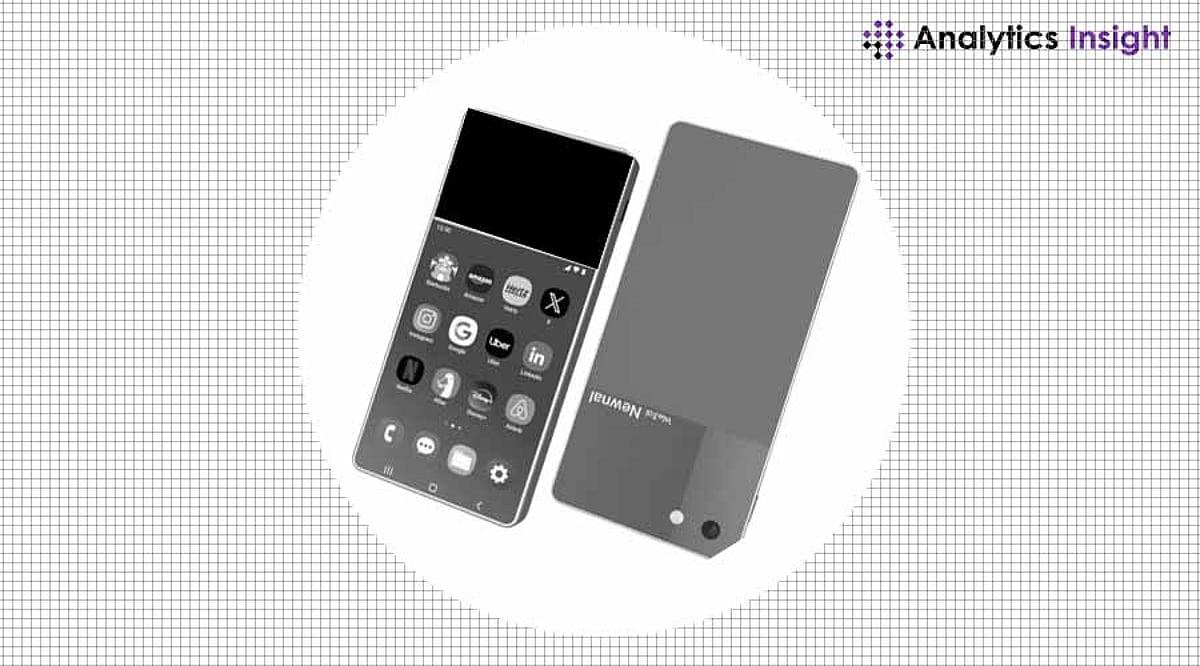
Source: Analytics Insight
On-Device AI Processing and Decentralized Infrastructure
Unlike traditional AI assistants that rely on remote servers, the Gaia AI Phone performs sophisticated AI inference locally through the company's proprietary Gaia AI Platform. This innovative approach allows users to maintain control over their data while contributing to a decentralized AI infrastructure
1
.Matt Wright, CEO of Gaia, emphasized the uniqueness of their approach: "We've proven that sophisticated AI can run entirely on your device while transforming users from AI consumers into active infrastructure owners who earn rewards for network participation"
1
2
.Technical Achievements and Ecosystem Integration
The development of the Gaia AI Phone represents a significant engineering feat. The company has successfully compressed language model capabilities, previously requiring data center infrastructure, to run efficiently on smartphone hardware
1
2
.Shashank Sripada, COO of Gaia, highlighted the technical challenges overcome: "The technical challenge of fitting enterprise-grade AI into mobile hardware while maintaining full node functionality required breakthrough compression and optimization techniques"
1
2
.The phone launches with an ecosystem of exclusive partner integrations, including EdenLayer's AI gaming platform, Roam's global eSIM data package, and Umy's crypto-native travel booking discounts
1
2
.Related Stories

Shifting the AI Economic Model
Gaia's approach represents a fundamental shift from the traditional SaaS AI model. Instead of paying subscription fees for centralized AI services, users become stakeholders in a decentralized network, earning token rewards while contributing to collective AI inference capabilities
1
2
.This model addresses growing concerns about AI centralization and data sovereignty in the blockchain community. By distributing both processing power and economic benefits among network participants, Gaia offers a decentralized alternative to centralized AI monopolies
1
.Controlled Release and Future Plans
The initial release of the Gaia AI Phone is limited to 1,000 units for early adopters, allowing the company to refine the ecosystem experience and optimize network participation features
1
2
. Built on Galaxy S25 Edge hardware, the phone is launching initially in Korea and Hong Kong, with deliveries beginning in late 20251
2
.Gaia plans to demonstrate live AI inference and network operations at Korea Blockchain Week in September, showcasing the practical applications of their decentralized AI technology
1
.As decentralized AI emerges as a critical alternative to centralized control over artificial intelligence, Gaia positions itself at the forefront of this movement. The company promises additional major announcements and partnerships in the coming weeks, signaling an exciting future for decentralized AI infrastructure
1
2
.References
Summarized by

Navi
[1]
[2]
Related Stories
OpenAI fast-tracks AI phone with customized chip, aiming for 30 million shipments by 2028
05 May 2026•Technology

OpenAI builds AI smartphone with Qualcomm and MediaTek, targeting mass production by 2028
27 Apr 2026•Technology

Newnal's AI Phone: Creating Digital Clones and Raising Privacy Concerns at MWC 2025
06 Mar 2025•Technology
Recent Highlights



Recent Highlights
Today's Top Stories



Don’t drown in AI news. We cut through the noise - filtering, ranking and summarizing the most important AI news, breakthroughs and research daily. Follow topics that matter to you and stay ahead.


