2 Sources
[1]
Videogame lawyer says it's become 'just boilerplate' this year to include no-AI clauses in contracts: 'It's not worth the legal liability'
There's a problem with new technologies, in that cutting-edge technology develops quickly -- in the span of years. Meanwhile, us human beings with our wet flesh bodies and our complicated bureaucracies and legal systems are glacially slow. You can see this playing out with generative AI. For a few years now, we've heard a lot of overexcitement from the videogame industry that AI is going to let smaller companies make bigger games, that soon you'll be able to generate your own concept art, your own music, your own videogame dialogue -- and, of course, the deeply tedious phrase "democratising art". In actuality, generative AI is more of a plagiarism machine, often spitting out carbon copies and, even when it's not doing that, still requires countless copyrighted works (which sometimes have to literally be burned) to actually function. That legal heat has spooked videogame companies, so says lawyer Haley MacLean in an interview with our friends over at GamesRadar+. MacLean, both a corporate IP lawyer and a videogame specialist at Voyer Law, tells the site that no-AI clauses are on the rise, particularly in the last year: "It's turned around, especially in the past year. I would say about two to three-ish years ago, you'd see a little bit of it ... Even the smaller, more simple publishing studios are like, 'Let's include this just to cover our butts.' "So now it's just boilerplate, to the point that if I did encounter one that didn't have a gen AI clause, if the publisher was creating assets too, I would say we need to push for that to make sure the publisher is not using gen AI in the marketing, porting, QA of your game." It's not all too surprising, even from a ruthless capitalist perspective. There's a tension between videogame platforms, who are incentivised to rid themselves of the tides of AI slop lapping at their shores, and developers themselves. The former is encouraged to add large, obvious disclaimers so their users can filter out the garbage, while the latter is utterly screwed when they do. Back in June, for instance, a data analyst found out that AI disclosures could reduce the number of reviews a game got by 53%, making the reviews more negative overall, which MacLean says causes a pervasive attitude of "I don't want to use gen AI because my community would hate it." But the legal quagmire is also becoming increasingly insurmountable as legislation catches up -- one particular quirk? If you use generative AI to make something, it might be impossible to prove that you copied the thousands of artists who were fed into your algorithm, sure. But it also means that, legally speaking, you can't really argue YOU made it, either. "Sometimes I feel like I'm going crazy when I see these massive corporations ... It kind of feels like a lawyer is hovering slightly over them, because they'll say things like, 'Look at this awesome tool. I can just type in 'barrel' and a barrel appears. But I have to make sure to change it a little bit!' They sort of imply that the users should be transforming every generated asset a bit, but they know that their users aren't going to do that." MacLean uses the example of the Tomb Raider: Legacy of Atlantis remake, which uses generative AI for its assets -- the game's not out yet, so it's unclear if it'll meet this bar, but if it doesn't change those assets enough? "[if there was] an outdoor level and all the trees are AI-generated, I legally would argue somebody could go and use every single tree in the Lara Croft game, that they know is AI-generated, and put in their game, and I don't think those devs can turn around and say, 'Those are our trees.' "No, they're not, because you didn't generate them, and legally speaking, you have no ownership title over them if you didn't put in the sweat equity to have an artist go in and, inspired by that original first pass of the tree, then transform it into an original tree asset ... But I think these major companies who are always laying off, trying to cut the bottom line, increase the value of the company, they're going to cut corners when they can, and I think they're going to get sloppy." It's sort of a 'snake eats its own tail' situation. In order to fulfil the promise of generative AI -- that you could lay off a bunch of artists and just have your hallucination machine dream something up -- you need to lower your headcount. But your remaining artists then need to meaningfully transform what AI generates, in order to legally lay claim to it. And if there's not only fewer of them, but they also kinda resent you for laying off all their colleagues, then that increases the chance of legal trouble happening -- or lost sales from just pissing your consumer base off. At which point, you might not even be saving the money that a handful of yearly salaries (which are pennies to the absolute billions these companies have) saves you by way of their absence. "I think," MacLean says, "We're going to see lawsuits of those types in the coming years when they want their protection but they want to do everything faster and cheaper ... What case law in the US and Canada has seen, time and time again, is that AI cannot own because it was not human-made. "We're in that frustrating middle with new tech where it's very fun, it's very flashy, everyone's excited, but I think the legal issues are going to just be popping up more and more."
[2]
Echoing Palworld dev, video game lawyer says all her clients have anti-AI contracts because gamers hate it and it's a copyright landmine: "I think we're going to see lawsuits"
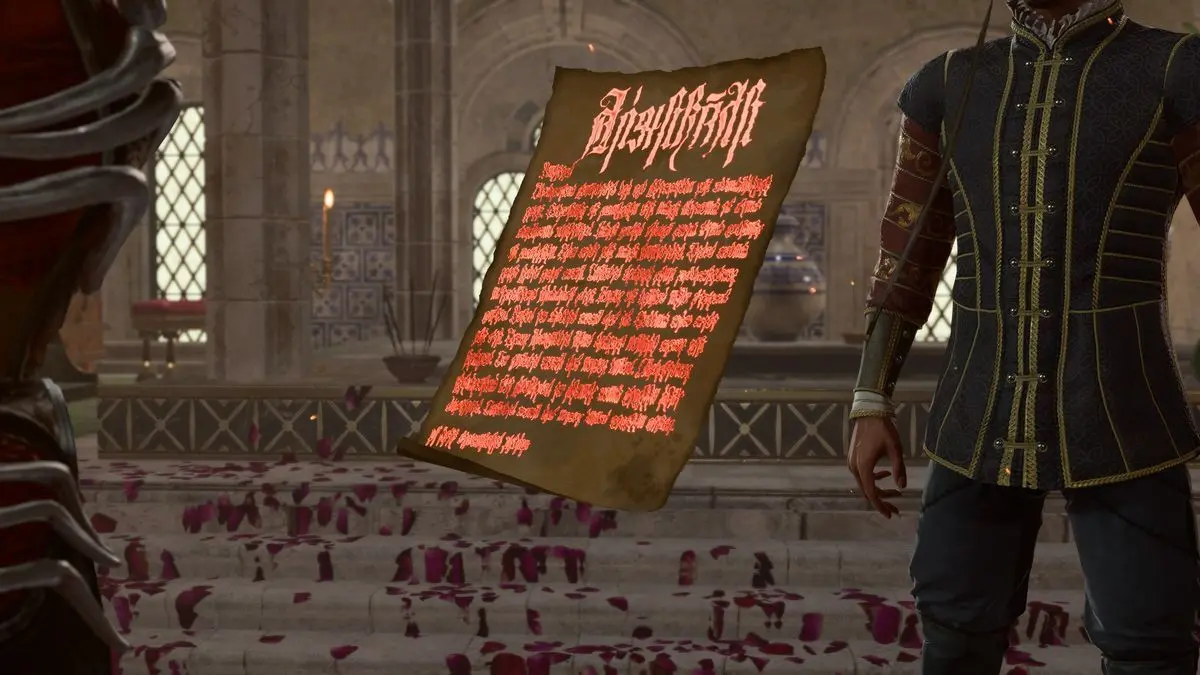
Video game lawyer Haley MacLean has seen such a sharp rise in anti-AI wording in the game dev and publisher contracts she reviews that virtually "all" of her clients now explicitly oppose the tech. Speaking with GamesRadar+, MacLean, a corporate IP lawyer and head of video game practice at Voyer Law, explains just how common clauses banning generative AI have become. MacLean frequently deals with publishing agreements for "indie up to AA" studios. These spell out "the services that the publisher is going to offer in exchange for [revenue] share." And in these agreements, more developers and publishers are pushing to completely forbid any use of generative AI, she says. "It's turned around, especially in the past year. I would say about two to three-ish years ago, you'd see a little bit of it," she says of anti-AI clauses. "But in this last year alone, it's gone from being in a decent chunk of agreements, maybe the more risk-averse publishers are sticking in 'no gen AI' clauses, and sort of trickled down to, 'The big guys are doing it. We should do it too.' "Even the smaller, more simple publishing studios are like, 'Let's include this just to cover our butts.' So now it's just boilerplate, to the point that if I did encounter one that didn't have a gen AI clause, if the publisher was creating assets too, I would say we need to push for that to make sure the publisher is not using gen AI in the marketing, porting, QA of your game." Here, gen AI is defined as AI used to actively generate an asset, meaning passive use or encounters with something like Google's increasingly unavoidable AI-generated results wouldn't trigger an anti-AI clause. MacLean shared a useful, anonymized example of what a no-AI clause might look like. (You can also read the gen AI clause in the contract for Outersloth, the indie fund set up by Among Us maker Innersloth.) "REDACTED desires to avoid the use of generative AI systems and software whenever possible. REDACTED shall not: (a) use any generative AI technologies or tools in the creation of Game Product; and/or (b) insert Game Product into any AI system libraries or databases, without prior written consent from REDACTED. A violation of this Section REDACTED is a material breach of this Agreement." Due to the fraught legal landscape surrounding gen AI, MacLean advises studios "don't touch it. It's not worth the legal liability that it brings to you." And there are several reasons for that, grounded in existing case law as well as AI regulations and precedents that could come in the future and wreak havoc retroactively. Firstly, gen AI use "has a major business effect because of how anti-AI the general public is," MacLean observes. Many clients "start from that angle" in contract discussions, she says: "I don't want to use gen AI because my community would hate it." This pushback is especially fierce in the West and perhaps even more so in the United States, with multiple states fighting with AI companies over environmental resources and zoning this year alone, to say nothing of the ethical or labor issues attached to the technology. Dozens of game developers have told GamesRadar+ that they oppose gen AI, and Palworld comms lead John Buckley neatly echoed MacLean's observation, saying, "Gamers don't want it." Secondly, gen AI creates enormous copyright and ownership issues, and this goes both ways. Gen AI is so messy that its use may put creators in a legal position where they're simultaneously liable for ideas or assets used without permission and unable to claim that they own their stuff. Games could be accused of infringement if a generated asset could be linked to something that was used by AI without permission. A topical example comes from the gacha game Neverness to Everness, whose developer, Hotta Studio, admitted gen AI use and rushed to remove generated assets, and was credibly accused of copying a popular anime film promo, which had seemingly been scraped by the AI tool used, almost shot-for-shot. But what happens if you generate something, put it in your game, and then somebody copies you? You may not have a leg to stand on in court, MacLean reasons. "Sometimes I feel like I'm going crazy when I see these massive corporations," she says. "I was watching the [Unreal Engine 6] tutorials that are like, 'Look at all this stuff we can use.' Where are the lawyers? I truly don't understand it. It kind of feels like a lawyer is hovering slightly over them, because they'll say things like, 'Look at this awesome tool. I can just type in 'barrel' and a barrel appears. But I have to make sure to change it a little bit!' They sort of imply that the users should be transforming every generated asset a bit, but they know that their users aren't going to do that." MacLean points to Tomb Raider: Legacy of Atlantis, which has been criticized for its AI use. If Legacy of Atlantis gets "sloppy about it" and uses "a bunch of assets that are not humanly transformed into original works of IP," she argues that anyone could claim that they can lift those assets from the game and repurpose them. For example, if Legacy of Atlantis had "an outdoor level and all the trees are AI-generated, I legally would argue somebody could go and use every single tree in the Lara Croft game, that they know is AI-generated, and put in their game, and I don't think those devs can turn around and say, 'Those are our trees,'" she continues. "No, they're not, because you didn't generate them, and legally speaking, you have no ownership title over them if you didn't put in the sweat equity to have an artist go in and, inspired by that original first pass of the tree, then transform it into an original tree asset ... But I think these major companies who are always laying off, trying to cut the bottom line, increase the value of the company, they're going to cut corners when they can, and I think they're going to get sloppy. And I think we're going to see lawsuits of those types in the coming years when they want their protection but they want to do everything faster and cheaper." In such a legal environment, MacLean reckons more companies would spend so much time checking the output of AI to cover legal bases that it would just be cheaper and better to have humans make art in the first place. And "that's what the Copyright Act wants," she adds. "It wants humans making art." "Gen AI can't assign copyright; it can't transfer copyright," she stresses. "What case law in the US and Canada has seen, time and time again, is that AI cannot own because it was not human-made. We're in that frustrating middle with new tech where it's very fun, it's very flashy, everyone's excited, but I think the legal issues are going to just be popping up more and more."
Share
Copy Link
Anti-generative AI clauses in contracts have surged from rare to standard practice in gaming over the past year. Videogame lawyer Haley MacLean says publishers now routinely ban AI use to avoid legal liability and community backlash, as copyright infringement risks and ownership disputes create a legal minefield for developers.
Anti-generative AI clauses in contracts have transformed from occasional additions to standard boilerplate across the gaming industry within just one year. Haley MacLean, a corporate IP lawyer and head of videogame practice at Voyer Law, reports that virtually all her clients now include explicit bans on AI in gaming contracts.
1
2
MacLean, who primarily works with indie to AA studios on publishing agreements, observed the shift accelerated dramatically in the past year. Two to three years ago, only risk-averse publishers included such protections. Now even smaller, simpler publishing studios routinely insert these clauses to cover themselves. The videogame lawyer states she would actively push for no-AI clauses if she encountered a contract without one, particularly when publishers create assets for marketing, porting, or QA.
2
Source: PC Gamer
The legal ambiguity surrounding AI-generated content creates what MacLean describes as a copyright landmine. Her advice to studios remains unequivocal: don't touch it because legal liability outweighs potential benefits.
2
The copyright infringement risks cut both ways. Games using AI-generated assets could face accusations if generated content links back to copyrighted material scraped without permission. Neverness to Everness demonstrated this risk when developer Hotta Studio admitted AI use and rushed to remove generated assets after credible accusations emerged that the game copied a popular anime film promo shot-for-shot through AI scraping.
2
Beyond infringement concerns, ownership disputes present another layer of ethical challenges. If developers use generative AI to create assets, they may legally struggle to claim ownership over those creations. MacLean argues that untransformed AI assets could be legally used by anyone without consequence.
1
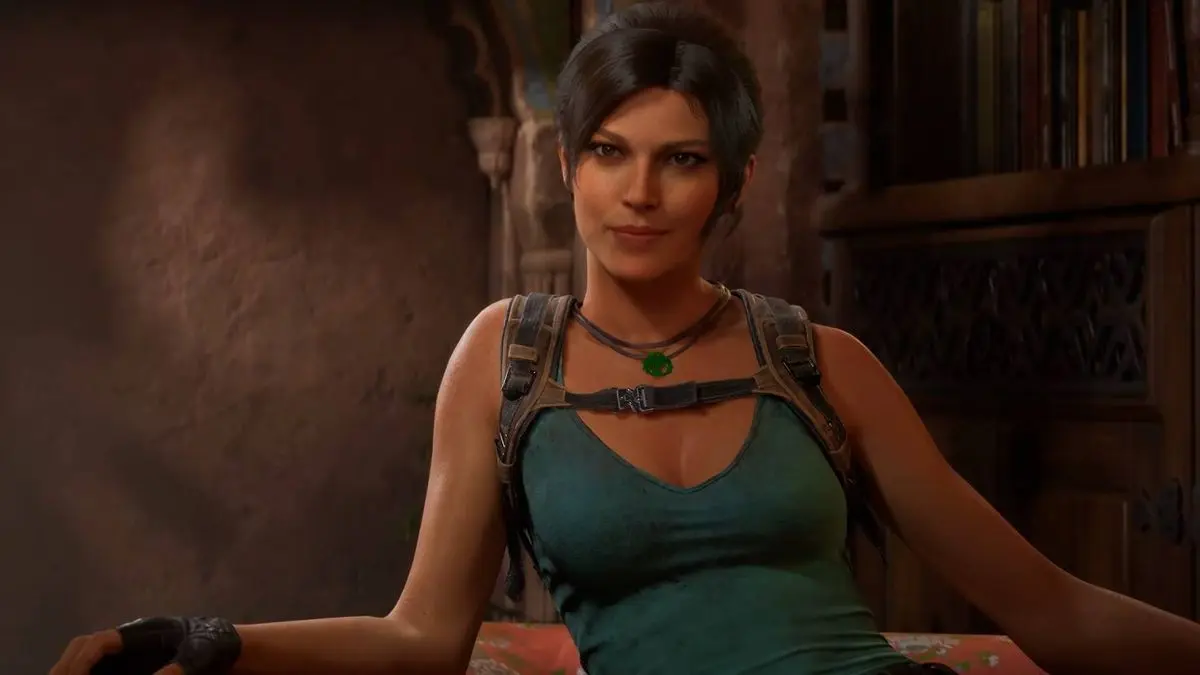
Using Tomb Raider: Legacy of Atlantis as an example, MacLean explained that if an outdoor level contained AI-generated trees without significant human transformation, other developers could legally extract and use those same trees. The original developers couldn't claim ownership because they didn't invest the creative labor to transform AI output into original assets. This creates a paradox where companies must retain artists to transform AI-generated content, undermining the cost-saving promise that drove AI adoption.
1
Source: GamesRadar
Related Stories
Public opposition amplifies the legal concerns. Many of MacLean's clients approach contract discussions from a community perspective, stating they avoid AI in gaming because their audience would reject it. Palworld communications lead John Buckley captured this sentiment succinctly: gamers don't want it.
2
Data supports this gamer backlash. Analysis from June revealed that AI disclosures reduced game reviews by 53% while making remaining reviews more negative overall. This business impact particularly affects Western markets and the United States, where multiple states have fought with AI companies over environmental resources and zoning throughout the year.
1
MacLean observes confusion even among major corporations. Watching Unreal Engine 6 tutorials, she noted how presenters would demonstrate AI tools while cautiously suggesting users should transform generated assets, knowing full well most users won't follow that advice. This creates what she describes as a snake-eating-its-tail situation.
1
2
Companies pursuing AI adoption to reduce headcount and cut costs must still employ artists to meaningfully transform AI output for legal protection. Fewer remaining artists who resent layoffs of colleagues increase the likelihood of sloppy implementation, potentially triggering lawsuits or lost sales from consumer backlash. The savings from eliminating salaries may prove negligible compared to potential legal costs and revenue losses.
1
MacLean predicts the industry will see lawsuits emerge as major companies cutting corners get sloppy with AI implementation. Future AI regulations could create retroactive legal havoc for games released today, making current anti-generative AI clauses in contracts a defensive necessity rather than optional protection.
2
Summarized by
Navi
22 Mar 2026•Technology

19 Feb 2026•Entertainment and Society

16 Jun 2026•Entertainment and Society

1
Science and Research

2
Technology

3
Technology