Genesis AI in talks to raise $500M at $3B valuation for robot foundation models


2 Sources
[1]
Genesis AI is in talks to raise about $500m for its robot brains
A year on from its $105m seed, the physical-AI startup is reportedly chasing a raise that would value it at around $3bn. The talks may not close. Genesis AI, the startup building foundation models that it hopes will run inside a wide range of robots, is in talks to raise about $500m, according to
[2]
Genesis AI eyes $500 million round: talks value it at $3 billion
AIGenesis AI eyes $500 million round: talks value it at $3 billion The startup builds a shared AI model for multiple robots Genesis AI is back in fundraising talks, and the figure being discussed is large: about $500 million at a pre-money valuation of roughly $3 billion, according to a Bloomberg
Share
Copy Link
Genesis AI, the robotics startup building foundation models for robots, is reportedly in discussions to raise about $500 million at a $3 billion pre-money valuation. The physical-AI startup emerged from stealth just last July with a $105 million seed round, and the new funding round would mark a steep climb for the company developing its universal robotics model GENE-26.5.
Genesis AI Targets $500 Million in New Funding Round
Genesis AI is in talks to raise $500 million at a roughly $3 billion pre-money valuation, according to a Bloomberg report published on July 23
1
. The robotics startup, which builds foundation models for robots, emerged from stealth only last summer with a $105 million seed round co-led by Eclipse Ventures and Khosla Ventures[1](https://thenextweb.com/news/genesis-ai-500m-raise-roboti cs-foundation-model). If the funding round closes, it would represent a remarkable ascent for a physical-AI startup that has been operating publicly for less than a year.The discussions reportedly involve Premji Invest as a potential lead investor, with HSG (formerly Sequoia China) and Northzone considering additional investment
1
. However, the figures come with standard caveats attached to private fundraising, where rounds can shift, shrink, or fall apart before signatures land on term sheets. The company had not confirmed the raise at the time of reporting, and the investor lineup could still change1
.Building Shared AI Models for Robotics Across Multiple Platforms
Source: Softonic
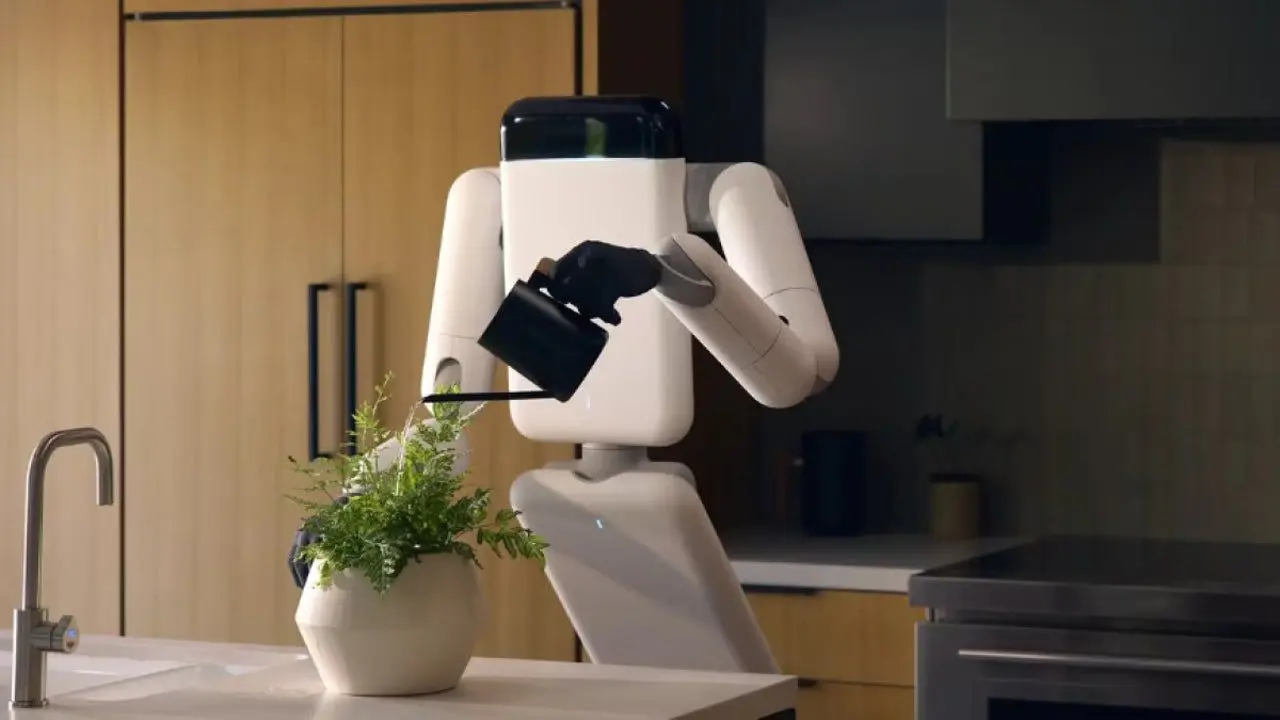
Genesis AI sells software rather than hardware, focusing on its universal AI model called GENE-26.5
2
. This model is designed to act as a shared brain across different machines, capable of handling diverse tasks from cooking to solving a Rubik's Cube and playing the piano2
. The company's approach aims to close what it calls the "embodiment gap" between data gathered from human movement and the machines meant to reproduce it1
.The startup trains GENE-26.5 partly on synthetic data generated by an in-house physics engine that runs scenarios hundreds of thousands of times faster than real time
1
. Last month, Genesis unveiled Eno, a wheeled robot positioned as its answer to humanoid hype, demonstrating the practical applications of its universal robotics model1
. The company also designs dexterous hands with human-like capabilities to run its model.Full-Stack Approach Centers on $300 Sensor Glove Technology
At the center of Genesis AI's training methodology sits a roughly $300 sensor glove worn by workers to capture training data from human movement
1
. This full-stack approach deliberately integrates both the model and the physical hardware, allowing the company to gather more accurate data for training general-purpose robotics systems. Genesis has positioned itself against rivals such as Skild AI and Physical Intelligence partly on openness, stating it intends to open-source parts of its simulation stack1
.Related Stories
Competing in a Crowded Field of Physical AI Investments
The potential raise would slot Genesis AI into a series of outsized robotics checks flowing through the sector. London-based Humanoid secured a $152 million Series A, while Standard Bots reached a $1 billion valuation on a $200 million round
1
. NEURA Robotics recently lifted up to $1.4 billion, reflecting the broader investor appetite for physical AI1
. Other competitors in the space include Field AI and Scout AI2
.The wager across all these investments is that general-purpose robots represent the next frontier after chatbots, and backers are pricing bets accordingly
1
. Genesis AI frames its target as the global market for physical labor, which it values at roughly $40 trillion1
.Leadership and Global Operations Span Multiple Continents
The company was co-founded by Zhou Xian, a Carnegie Mellon robotics PhD who serves as chief executive, and Theophile Gervet, a former research scientist at Mistral AI
1
2
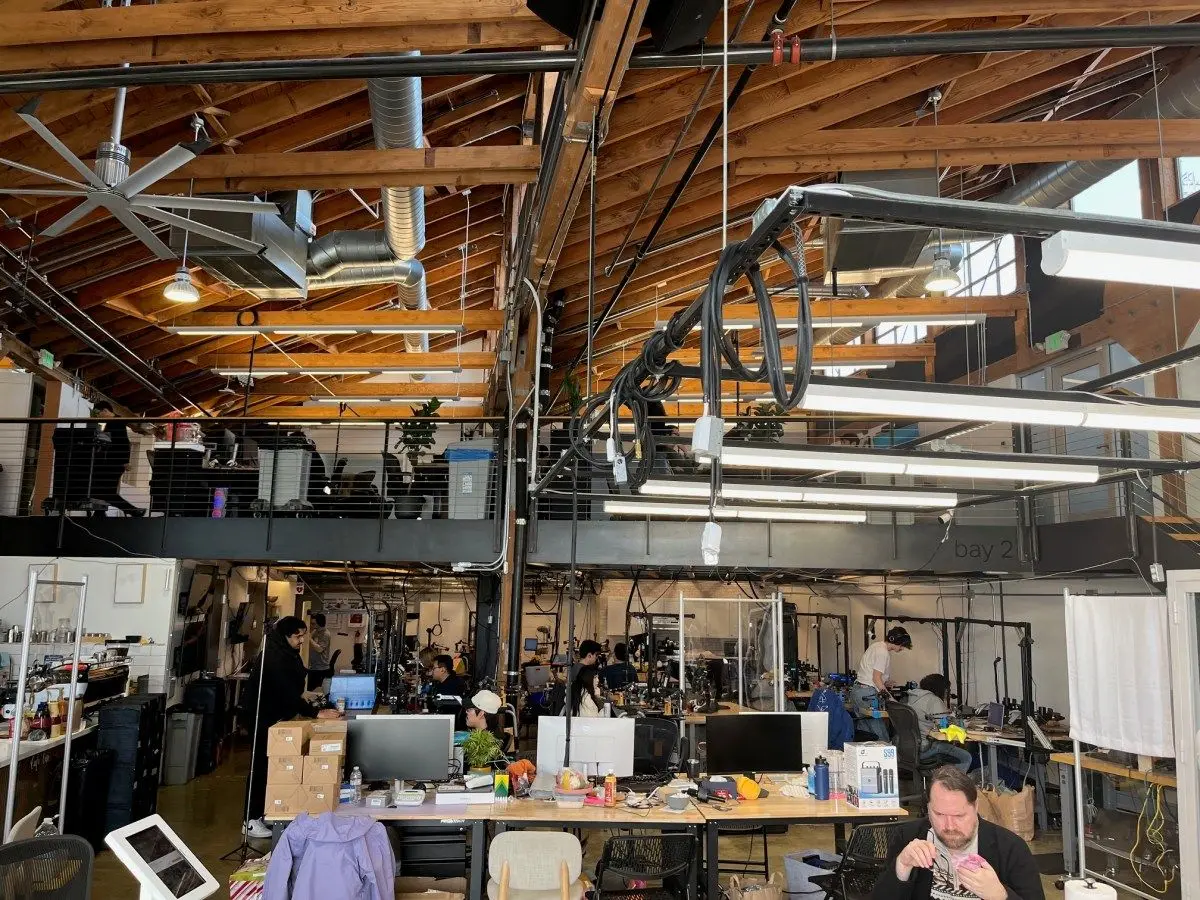
. Genesis AI maintains offices in Paris and the San Francisco Bay Area, with a recent expansion into London, and employs around 60 people split roughly evenly between Europe and the United States1
.The initial $105 million seed round included backing from former Google chief executive Eric Schmidt, French billionaire Xavier Niel, Bpifrance, and HSG
1
. A $500 million follow-on inside 12 months would mark a steep markup for the robotics startup. The exact structure of the new round, including how much constitutes primary capital and when it might close, has not been disclosed1
. Whether the talks convert into a signed term sheet remains to be seen, as the figure currently represents a report rather than a finalized deal1
.References
Summarized by

Navi
[1]
Related Stories
Genesis AI Launches with $105M Seed Funding to Develop Universal Robot Foundation Model
02 Jul 2025•Technology

Figure AI Seeks $1.5 Billion Funding at $39.5 Billion Valuation, Signaling Surge in Humanoid Robotics
15 Feb 2025•Technology

Generalist Secures $200M Funding Round, Reaches $3B Valuation in AI Robotics Race
25 Aug 2026•Business and Economy

Recent Highlights



Recent Highlights
Today's Top Stories






Don’t drown in AI news. We cut through the noise - filtering, ranking and summarizing the most important AI news, breakthroughs and research daily. Follow topics that matter to you and stay ahead.


