Global poll shows China leads in AI capability as world opinion shifts against US dominance


2 Sources
[1]
Consensus Grows That China Is Crushing the United States at AI
Can't-miss innovations from the bleeding edge of science and tech The so-called "AI race" is a tale of two polar extremes. On one end is the Silicon Valley model, where powerful, resource-heavy AI development wreaks havoc on the population, driven by what is arguably the most powerful corporate
[2]
Is China Crushing the US at AI Growth? The World Thinks So, But India Doesn't
What's intruging is that while US allies appear to think China is ahead, respondents from India believes in Uncle Sam's AI prowess The global AI race is taking a rather weird turn whereby a new poll conducted by a British company Public First shows that of the 18,000 responded spread across 15
Share
Copy Link
A sweeping international survey reveals a dramatic shift in how the world views the AI race between superpowers. Respondents in 11 of 15 countries now believe China has surpassed the United States in AI capability and innovation, with only India, Japan, Vietnam, and Americans themselves maintaining faith in US AI leadership. The findings expose a growing legitimacy crisis for Silicon Valley's approach to AI development.
Global Perception Tilts Toward China in AI Leadership Race
The battle for AI leadership between China and the United States has taken an unexpected turn, with global perception shifting decisively in favor of Beijing. According to a new Public First poll surveying 18,000 respondents across 15 countries, a majority in 11 nations now believe China leads in AI capability and innovation, leaving the United States trailing in the court of international opinion
1
2
. The survey, conducted by UK-based firm Public First, marks a striking divergence from traditional assumptions about US AI dominance.
Source: CXOToday
Only respondents from India, Japan, Vietnam, and the United States itself continue to back American leadership in the AI race. Even within US borders, confidence appears shaky—just 51 percent of Americans believe their country dominates AI development, while 24 percent think China is crushing the United States at AI and 25 percent responded "don't know"
1
. The fact that nearly half of US respondents lack confidence in their own country's AI capabilities signals a deeper crisis of faith in Silicon Valley's approach.US Allies Show Surprising Skepticism About American AI Prowess
The global AI perceptions revealed in the survey prove particularly troubling for Washington when examining opinions from traditional allies. In Canada, only 27 percent of respondents favor their southern neighbor's AI leadership, while 40 percent believe China holds the advantage
1
. Mexican sentiment follows a similar pattern, with just 36 percent backing the US compared to 49 percent for China. European allies deliver equally sobering assessments: France mirrors Canada's 27-40 split, while the United Kingdom registers 26 percent for the US against 44 percent for China1
.These numbers reflect more than simple scorekeeping. The survey captured attitudes across both advanced economies—including Canada, France, Germany, Japan, Poland, Singapore, the UK, and the US—and emerging markets such as Brazil, India, Indonesia, Mexico, Nigeria, South Africa, and Vietnam
2
. The breadth of skepticism toward US AI dominance spans geographic, economic, and cultural boundaries.Contrasting Approaches to AI Development Drive Perception Gap
The diverging global perceptions of China vs US AI leadership stem partly from fundamentally different development strategies. The United States pursues what critics describe as resource-heavy AI development driven by unprecedented corporate power consolidation in Silicon Valley
1
. This model has generated concerns about worker displacement, deepfakes, and data privacy issues that remain largely unaddressed by American regulators.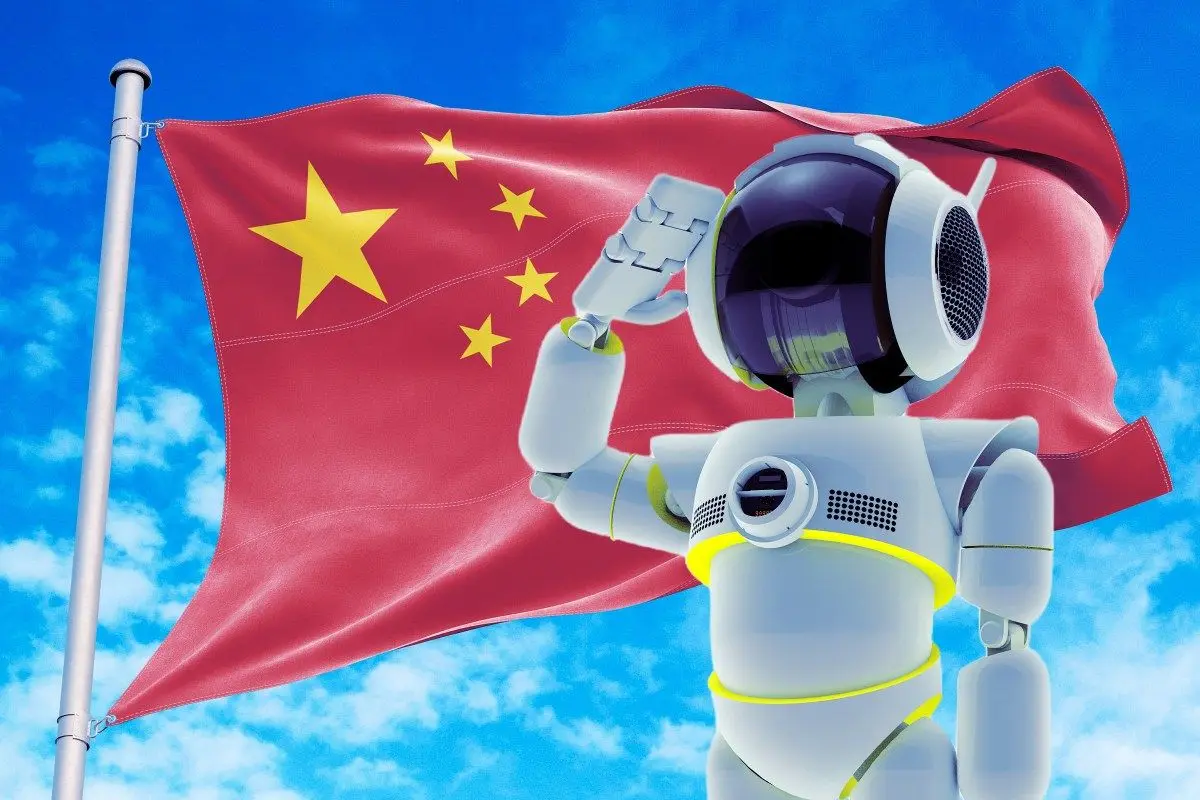
Source: Futurism
China, by contrast, emphasizes people-centric regulation and intense competition among multiple players. In April, the Cyberspace Administration of China announced restrictions on "digital humans," requiring labeling of AI personalities and banning programs that could harm children or lead to addiction
2
. Virtual relationships with AI involving those under 18 were also restricted. As Brookings noted, "China is pursuing a different approach to AI," with Chinese policymakers focusing on "running several different AI races" rather than concentrating solely on artificial general intelligence.Related Stories

India's Outlier Status Reflects Strategic Calculations
India's position as one of only four countries still believing in US AI leadership warrants closer examination. The nation's reluctance to embrace Chinese AI platforms like DeepSeek, combined with longstanding tech partnerships with American companies, likely influences this perspective
2
. However, recent developments suggest this stance may be evolving. Following the Trump administration's decision to restrict access to Anthropic's Claude models for all countries, Indian IT majors criticized Washington's "hegemonic stance" and called for policies supporting a collaborative AI ecosystem that fulfills sovereignty requirements2
.Geopolitical Implications and the Path Forward
The survey reveals broader trends beyond simple national rankings. On average, 45 percent of respondents believe AI will change the world significantly, while 46 percent think it already has
2
. Yet the West faces a growing AI backlash—net favorability for AI in the US and UK has fallen by approximately 75 percent over the past two years2
. This erosion of trust carries serious consequences for AI adoption and economic competitiveness.Whether the shift in global opinion reflects genuine admiration for China's regulatory approach or growing concern about AI ethics and job displacement in the American model remains difficult to untangle
1
. What's clear is that the US technology industry faces a legitimacy crisis that extends far beyond what any single company can address. As AI development accelerates and countries make critical choices about adoption and regulation, these perceptions will shape everything from international partnerships to domestic policy priorities. The question isn't just who leads in AI capability—it's whose vision for AI's role in society the world finds more compelling.References
Summarized by

Navi
Related Stories
China nearly erases US lead in AI as Stanford report reveals widening gap between experts and public
14 Apr 2026•Science and Research

Mistral CEO calls China's AI lag a 'fairy tale' as debate intensifies over US-China AI race
23 Jan 2026•Policy and Regulation

US China competition reveals two divergent paths in the global AI race
20 Feb 2026•Policy and Regulation

Recent Highlights



Recent Highlights
Today's Top Stories













Don’t drown in AI news. We cut through the noise - filtering, ranking and summarizing the most important AI news, breakthroughs and research daily. Follow topics that matter to you and stay ahead.


