GM plans a big robotics push just as the bill for its union contract comes due


4 Sources
[1]
EXCLUSIVE: GM plans 20% boost in robotics as factory costs rise
Nov 17 (Reuters) - General Motors (GM.N), opens new tab is aiming to increase use of robots and other automation by 20% at its North American factories by 2028, two people familiar with the matter said, as the automaker grapples with higher labor and onshoring costs. The Detroit automaker is
[2]
General Motors plans 20% boost in factory robotics by 2028
The automaker is building its own robots at its Kokomo, Indiana, plant and weighing suppliers' automation plans in contract decisions General Motors $GM is targeting a 20% increase in its reliance on robots and other automated systems across its North American plants by 2028, according to
[3]
GM Plans 20% Robotics Boost by 2028 as UAW Warns of Job Threats
General Motors will raise automation in its North American plants by 20% by 2028. It is building some robots itself and asking suppliers for automation plans. Higher labor costs after the 2023 UAW deal drive the move. Union leaders fear job losses. General Motors plans to raise its use of robots
[4]
GM plans 20% boost in robotics as factory costs rise
Nov 17 (Reuters) - General Motors is aiming to increase use of robots and other automation by 20% at its North American factories by 2028, two people familiar with the matter said, as the automaker grapples with higher labor and onshoring costs. The Detroit automaker is developing its own robots
Share
Copy Link
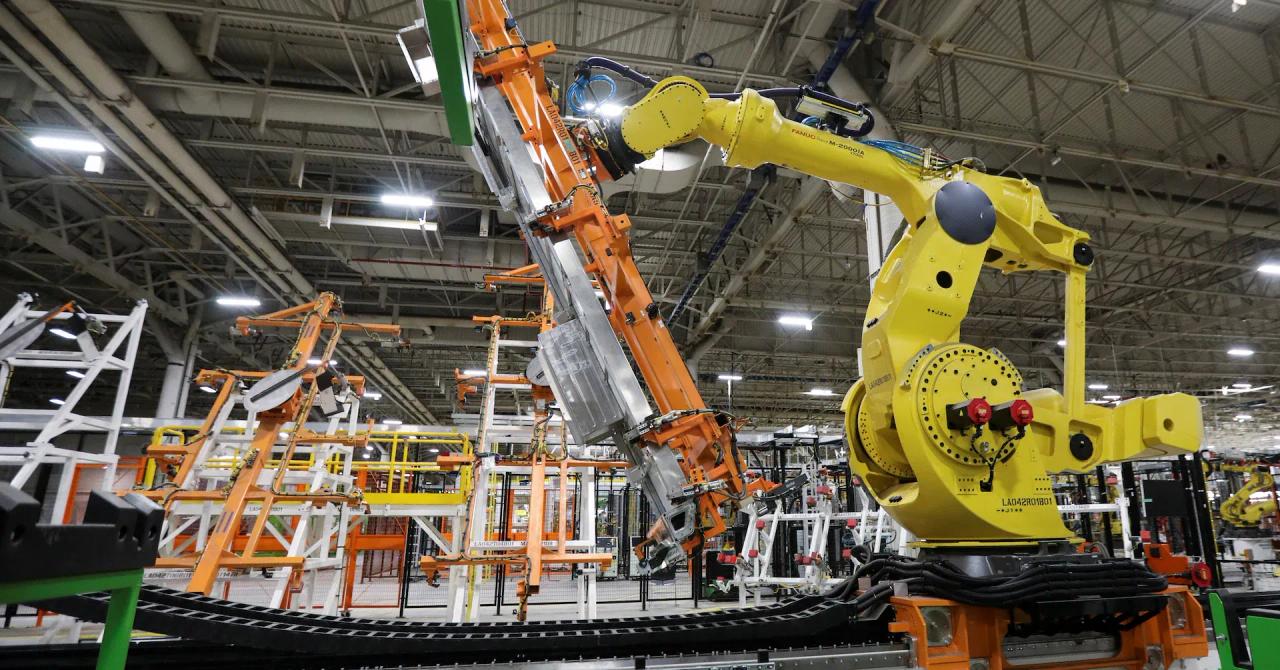
General Motors aims to lift its use of robots and other factory automation by 20% by 2028, per two people familiar with the matter, as the carmaker works to contain labor and production costs that keep climbing
4
1
. The 2028 target has not surfaced in public before, per Reuters.
Source: Analytics Insight
The costs are the point. General Motors says the 2023 United Auto Workers contract costs it about $575 more per vehicle it builds; Ford's own estimate is $900
1
. On top of that, General Motors expects roughly $2 billion in commodity-related inflation, with pricier logistics and memory chips among the causes, per its third-quarter results2
. General Motors is not alone in this. Automakers across the US have been adding automation since the union's record 2023 contract gains, and the push to bring factory work home raised production costs further1
. General Motors and its rivals have long argued that their labor costs run above those of foreign competitors and of Tesla, whose US factories are largely nonunion1
.Building its own robots
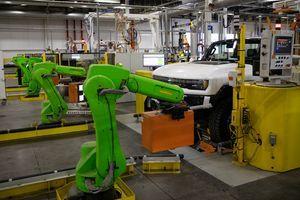
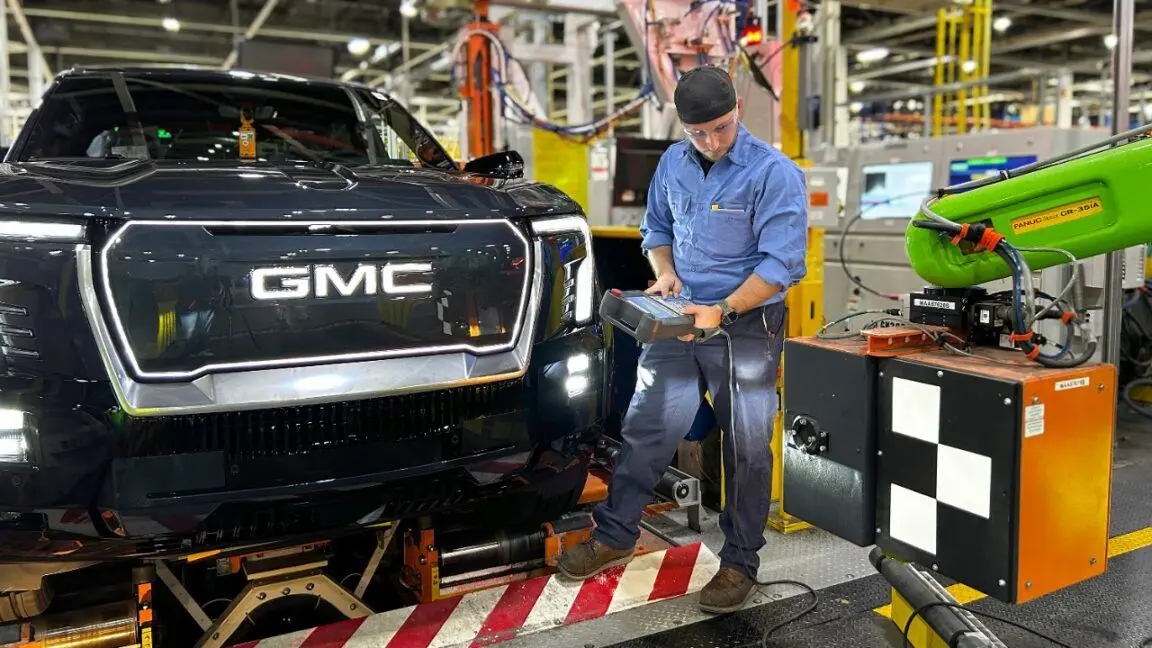
Part of General Motors' plan is to stop renting the technology from others. The company is developing robots of its own, assembled at its Kokomo, Indiana plant, with a focus on autonomous mobile machines that move parts around its plants
1
. General Motors outlined the in-house effort last year, when it put its roster of roboticists, AI engineers and hardware specialists at about 100, all working on advanced robotics systems1
. It still buys robotics equipment from outside suppliers while it builds its own1
.
Source: Quartz
The push also reaches into General Motors' supply base. Parts suppliers bidding on new contracts are being asked to hand over automation plans covering their own operations, and General Motors rates their efforts on a scorecard weighed in contract decisions
1
.The company's answer, and the union's
General Motors itself has not confirmed the figure; the account rests on the two unnamed sources
1
. Its own statement frames the push around safety, quality and efficiency: "As competition intensifies globally, we continue to put these technologies to work in ways that support our manufacturing teams"1
. "How do I get the best out of both the people here and the machines here to get as much efficiency and quality as I can?"1
One analyst reads General Motors' motive more bluntly. "It's all about the end game: putting less hours into the production of the vehicle so (automakers) can be more efficient and more profitable," says Laurie Harbour, a partner at advisory firm Wipfli. She sees a labor-shortage benefit from automation too
1
.The union, though, sees a threat to General Motors' workforce. Shawn Fain, the union's president, has warned that AI and automation endanger workers. He argues that productivity gains have multiplied while workers see none of it, and that AI's role in that has to stop
1
. The collision has a date attached. The 2023 contracts delivered those record gains but raised automakers' per-vehicle costs. They all expire in 2028, when another round of potentially contentious talks with General Motors, Ford and Stellantis is due3
. At the union's convention in June, Fain put the warning in his own words: "The fruits of our labor have multiplied like never before, but workers aren't reaping the harvest. That's theft. And if AI continues to be used as an accessory to that crime, it has to be stopped."1
Source: Reuters
Related Stories
References
Summarized by

Navi
[3]
[4]
Related Stories
GM installs 50 robots at Detroit EV plant as 1,300 workers remain laid off, sparking union clash
23 Jun 2026•Business and Economy
GM Doubles Down on AI and Autonomous Driving to Cut Development Time in Half
21 Oct 2026•Technology

GM lays off 600 IT workers in deliberate AI skills swap as automaker rebuilds tech workforce
12 May 2026•Business and Economy
Recent Highlights


Recent Highlights
Today's Top Stories








Don’t drown in AI news. We cut through the noise - filtering, ranking and summarizing the most important AI news, breakthroughs and research daily. Follow topics that matter to you and stay ahead.


