Hyundai Strike Over Humanoid Robots Marks Historic Labor Standoff in Auto Industry


4 Sources
[1]
Hyundai claims humanoid robot plan is not part of talks with striking workers
Hyundai Motor Company's plan to put humanoid robots to work by 2028 is not part of current negotiations with striking South Korean autoworkers, according to the company. The automaker is disputing news reports that partial labor strikes by the Hyundai Motor union at the world's largest automotive
[2]
Fear of humanoid robots spurs human workers to strike at Hyundai auto factory
Thousands of unionized Hyundai auto workers began walking off the job early after negotiations with the South Korean automaker broke down over plans to deploy humanoid robots -- the most significant pushback from organized labor so far over the latest wave of robotic automation. The partial strike
[3]
A South Korean Labor Union Is in Revolt Over Robots, or Maybe It's Surrendering to Them
When you put a giant legion of humanoid robots on the floor of an auto factory, do they actually increase efficiency and replace labor, or is that just a corporate fantasy? An auto workers union in South Korea, where Hyundai may one day deploy one such legion of robots, doesn't seem to be asking
[4]
Striking Workers Bring Car Factory to a Screeching Halt Over Humanoid Robots
Can't-miss innovations from the bleeding edge of science and tech From the factories of Detroit to the postal warehouses in Shenzhen, a new kind of worker is clocking in -- and the humans it's replacing aren't going down without a fight. In late June, thousands of rank-and-file workers in the
Share
Copy Link
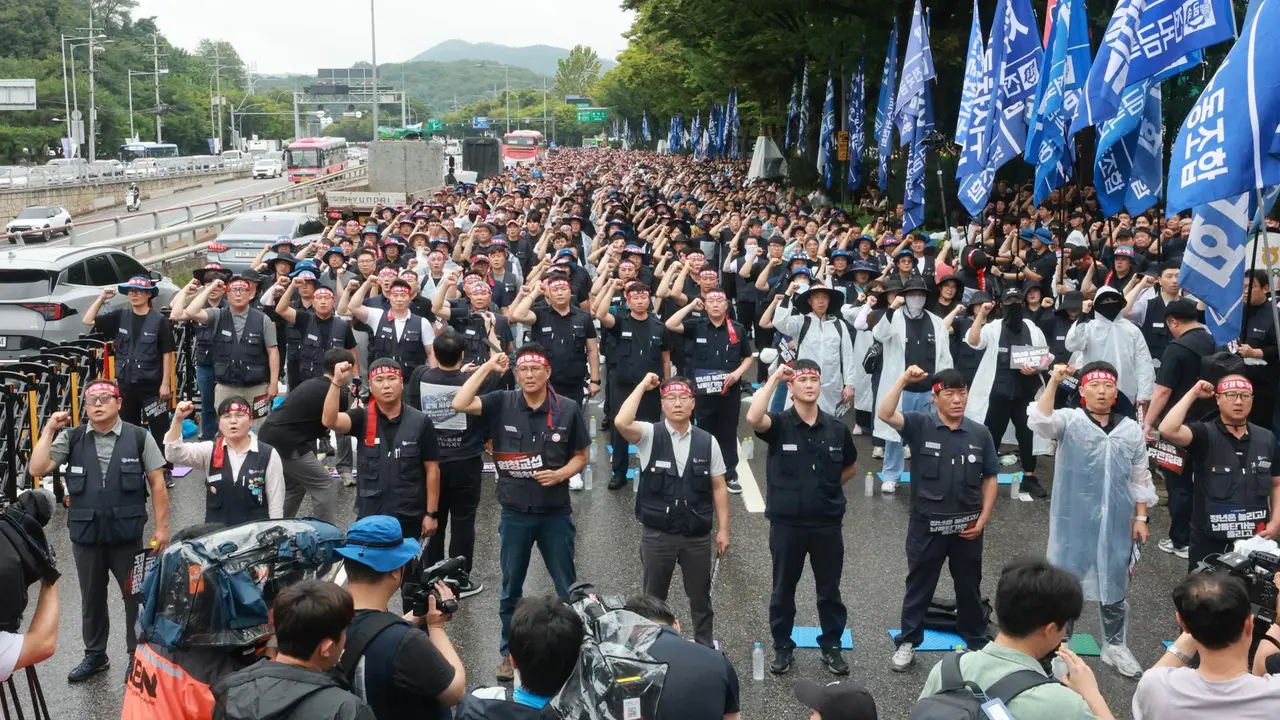
Thousands of South Korean autoworkers at Hyundai's Ulsan plant launched partial strikes after labor negotiations broke down over the company's plan to deploy over 25,000 Boston Dynamics Atlas humanoid robots. The workers are demanding job protections, fixed salaries to guard against reduced hours from automation, and veto power over robot deployment—marking the auto industry's first factory stoppage specifically addressing humanoid robotics.
South Korean Autoworkers Launch Historic Hyundai Strike Over Robot Plans
Thousands of South Korean autoworkers have initiated partial strikes at Hyundai's massive production complex in Ulsan, marking the car industry's first factory stoppage specifically addressing humanoid robots
2
. The Hyundai labor union, representing more than 39,000 workers and part of the Korean Metal Workers' Union, began walking off jobs early after 15 rounds of labor negotiations failed to reach agreement over the automaker's plans to deploy Boston Dynamics Atlas robots across its facilities2
.Workers ended their day and night shifts two hours early from July 13 through July 15, and escalated to four-hour strikes from July 20 to 22
2
. The economic impact is significant: the work stoppage could disrupt production of approximately 5,000 cars and reduce Hyundai's sales revenue by around $135 million4
. Union leaders have warned they could escalate further by prolonging the strike duration or upgrading to a full walkout.Boston Dynamics Atlas and Hyundai's Ambitious Robotics Strategy
Source: Futurism
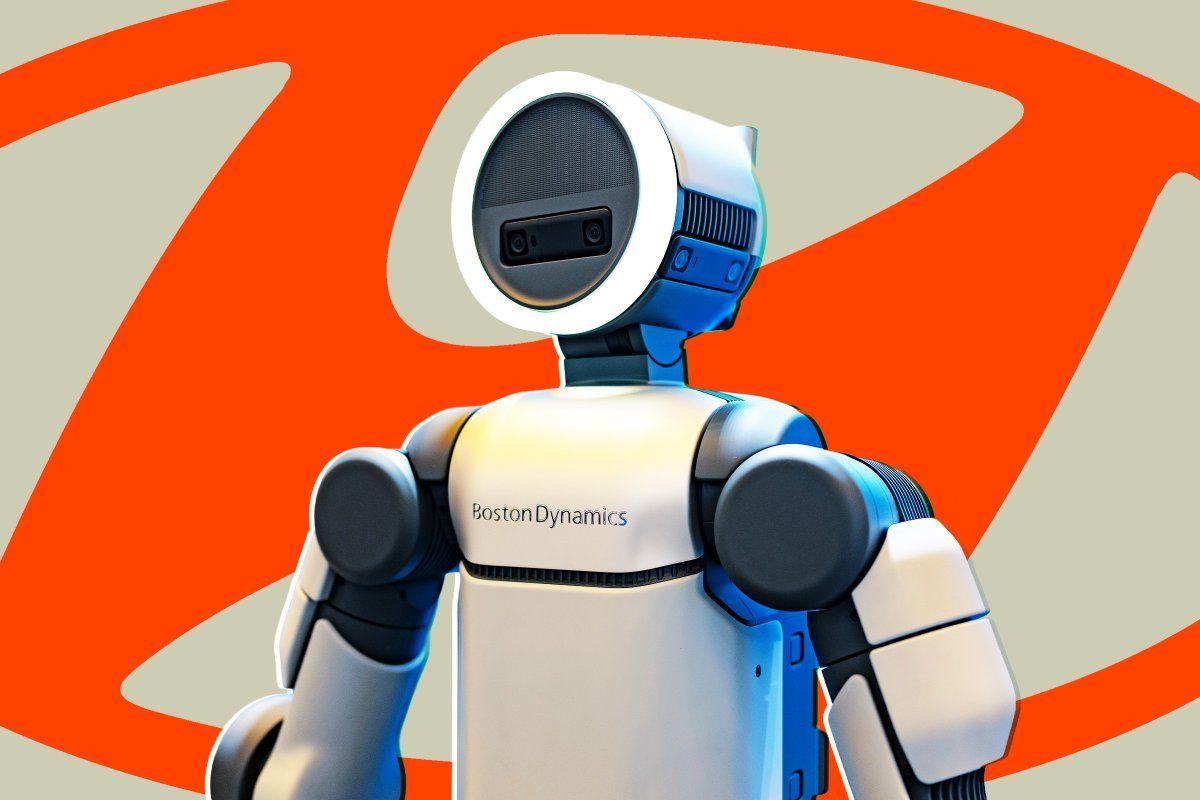
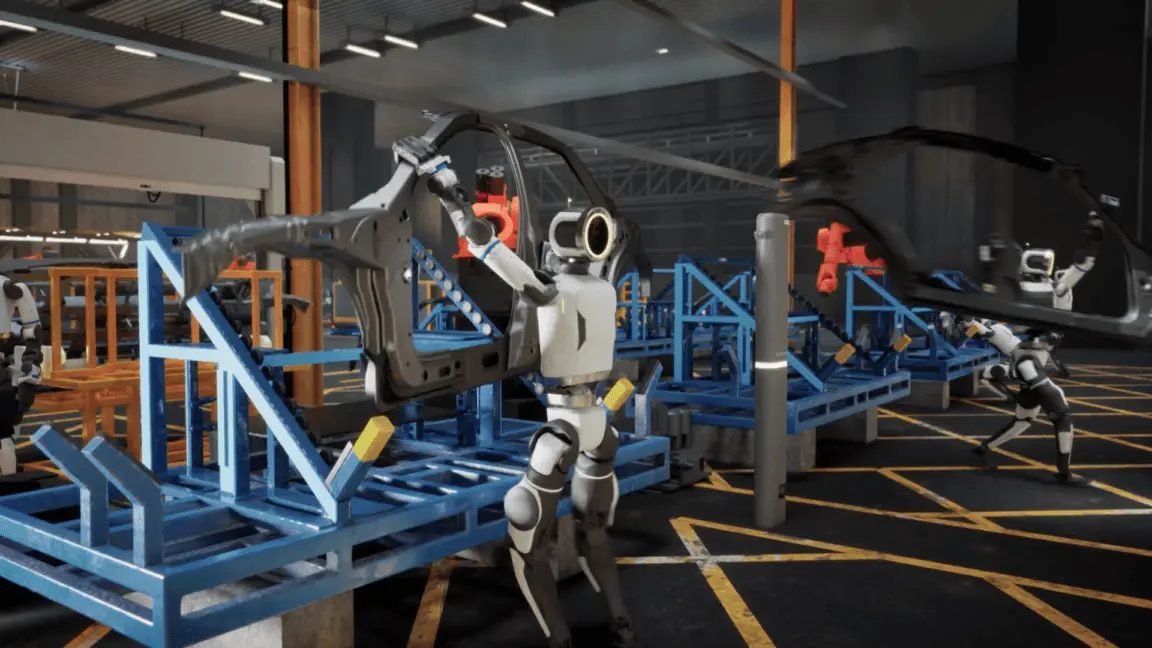
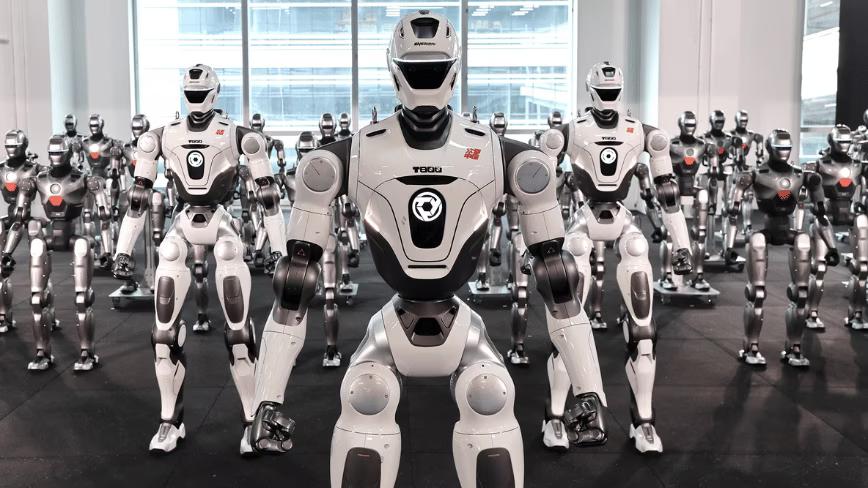
Hyundai aims to deploy more than 25,000 Atlas humanoid robots across various Hyundai and Kia manufacturing plants, according to reports
2
. The Atlas robot, developed by Boston Dynamics—a US robotics company becoming a wholly owned Hyundai subsidiary—stands over 6 feet tall and can lift more than 100 pounds2
. Each Atlas robot costs an estimated $130,000 but may pay for itself within about two years of operations, according to Samsung Securities analyst Esther Yim2
.If robot costs eventually fall to $100,000, operational expenses could drop below the US federal minimum wage of $7.25 and significantly undercut a typical auto worker's salary, suggested James Hong at Macquarie Securities Korea
2
. Hyundai plans to start deployment at Hyundai Metaplant America, an electric vehicle factory near Savannah, Georgia, in 20281
. The robots would initially perform sequencing tasks—placing parts in the correct order for assembly—before potentially handling heavier loads and more complex operations by 20303
.Worker Protections Against Automation Drive Labor Negotiations
The Hyundai labor union's demands center on securing job protections in the era of AI-driven automation. Lead negotiator and secretary general of the Korean Metal Workers' Union, Byun Jun-hwan, told The Wall Street Journal, "We have to prepare to ensure there are safeguards in place"
4
. Specifically, workers are demanding a transition from hourly wages to fixed salaries to guard against potential reductions in work hours caused by industrial automation2
.Additional demands include raising the retirement age from 60 to 65, larger worker bonuses, and formal agreements granting workers veto power over any humanoid robotics deployment
4
. The union previously warned Hyundai in an internal letter: "Remember that without labor-management agreement, not a single robot using new technology will be allowed to enter the workplace"1
.
Source: Ars Technica
However, Hyundai disputes characterizations that humanoid robots are central to current talks. The company stated that labor negotiations focus on compensation-related issues such as wage increases and bonuses, and that "potential deployment of robots in Korean production facilities is not part of the current labor-management discussions"
1
.Yellow Envelope Law Strengthens Union Position
The timing of the Hyundai strike coincides with broader shifts in South Korean labor law. The yellow envelope law, which took effect in March 2026, expands labor rights for subcontracted workers and limits employers' ability to claim damages from unions during strikes
1
. Critically, the law recognizes management decisions that significantly impact working conditions as subject to collective bargaining, meaning large-scale automation efforts using robots must be negotiated with workers1
.South Korea has witnessed a wave of union groups seeking negotiations with company management since the law's implementation. The Korean Confederation of Trade Unions established a joint consultative body with the South Korean government to discuss labor issues including AI-driven automation and robotics in February 2026
1
. The organization stated that "whether these developments become a disaster that forces insecurity and sacrifice onto workers or an opportunity to improve quality of life will largely depend on the government's choices and policy direction"1
.Related Stories

Broader Implications for Labor and Job Displacement
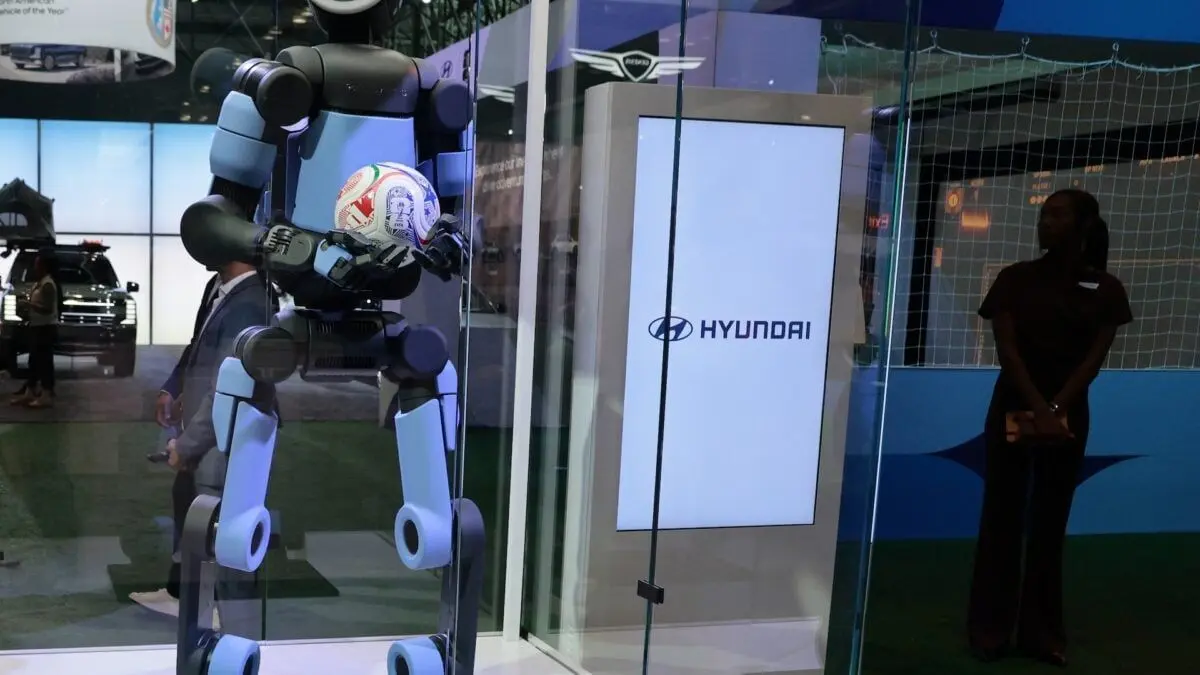
The Hyundai strike represents a pivotal moment as workers confront the reality of job displacement from humanoid robots before deployment begins. This proactive approach differs from past industrial automation waves, where workers often reacted after robots were already operational. Hyundai is far from alone in pursuing humanoid robot workers—Tesla is developing its Optimus robot for electric vehicle factories, BMW has piloted humanoid robots made by Figure AI at its Spartanburg, South Carolina plant, and multiple Chinese automotive companies including BYD are testing similar technology
2
.
Source: Gizmodo
The automotive industry has long led industrial automation adoption, with more than 1 million robots already deployed in automotive factories worldwide by 2021, accounting for one-third of robots across all industries
2
. The United States had deployed 38,000 industrial robots as of 2025, with the automotive sector alone installing 13,500 units2
.Unlike specialized industrial robots designed for single tasks, robotics companies pitch humanoid robots powered by AI models as eventually capable of performing a wide variety of tasks while fitting more easily into workplaces designed for humans
2
. Whether this vision materializes remains uncertain, as significant challenges in AI training and hardware development must be overcome.United Auto Workers Watch Georgia Deployment Closely
The US workers at Hyundai Metaplant in Georgia are not currently unionized, potentially allowing Hyundai to face less organized resistance during its initial 2028 Atlas deployment
2
. However, the UAW, representing about 400,000 autoworkers across the US, Canada, and Puerto Rico, has been attempting to organize workers at the facility1
.During the UAW Constitutional Convention in Detroit in June 2026, UAW president Shawn Fain warned against "the threat of humanoid robotics and mass automation" undermining worker employment and compensation
1
. The Georgia facility is already considered the most heavily automated automotive factory in the United States, with more than 850 robots and 300 automated guided vehicles, plus Boston Dynamics' four-legged Spot robots performing quality inspections2
.As negotiations continue in Ulsan, the outcome will likely influence how automakers and unions worldwide approach the integration of humanoid robots into manufacturing environments. Whether workers can secure meaningful protections or merely negotiate terms of gradual displacement will shape labor's response to automation for years to come.
References
Summarized by

Navi
Related Stories
Hyundai workers vote to strike as humanoid robots threaten factory jobs
25 Jun 2026•Business and Economy
Hyundai labor union blocks humanoid robots over warnings of mass job losses in factories
22 Jan 2026•Policy and Regulation

Hyundai Motor and Labor Union Reach Wage Deal After First Full Strike in Decade Over AI Concerns
21 Aug 2026•Business and Economy
Recent Highlights



Recent Highlights
Today's Top Stories



Don’t drown in AI news. We cut through the noise - filtering, ranking and summarizing the most important AI news, breakthroughs and research daily. Follow topics that matter to you and stay ahead.


