GoDaddy wants AI agents to carry a domain-style ID, and critics know who profits


2 Sources
[1]
GoDaddy exec: AI agents need DNS-style identity
Jared Sine argues the Agent Name Service, a standard GoDaddy built, can stop AI agents dealing with impostors. AI agents need a shared way to check who they are dealing with, GoDaddy's chief strategy and legal officer Jared Sine wrote in a Fortune op-ed on Thursday. Without one, he argued, the
[2]
GoDaddy chief strategy and legal officer: AI agents still have a trust problem. The solution is waiting
The age of AI assistants is almost here. Soon, we'll delegate tasks like comparing flight prices or managing routine household purchases to agents acting on our behalf. That convenience could transform the digital economy. But it also raises a basic question. How will those systems know which
Share
Copy Link
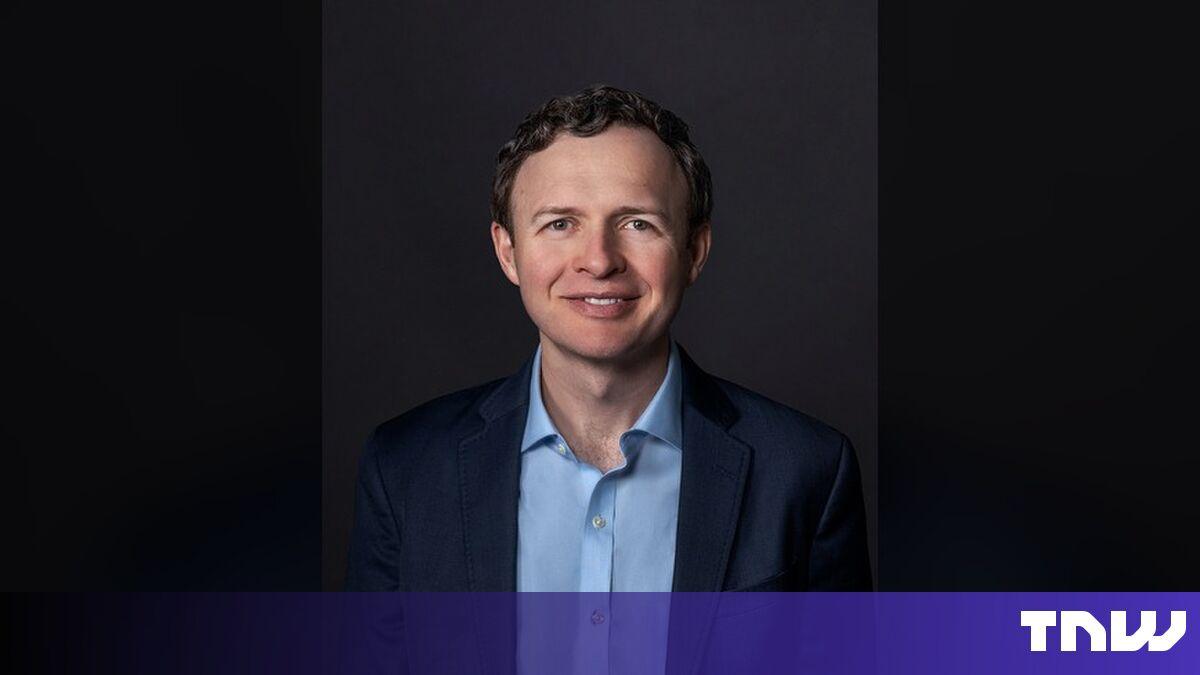
Jared Sine, GoDaddy's chief strategy and legal officer, has published an argument that AI agents need a shared way to prove who they are, and his company has already built the thing he is proposing
2
. The op-ed, which ran in Fortune on 19 November, pitches the Agent Name Service as the missing trust layer for an economy where software buys, books and negotiates on people's behalf2
.
Source: The Next Web
The pitch is straightforward. The proposed service ties an AI agent to an internet domain name, the same way websites are tied to them now. Sine's analogy is to the domain name system, which turned raw numeric addresses into names people trust, like Amazon.com, and made online commerce possible
2
. GoDaddy created the service and contributed it to the Linux Foundation, where it became a formal project on 10 November, nine days before the op-ed appeared1
. Backers include Cisco, Cloudflare and Salesforce, among others1
.What the standard would do
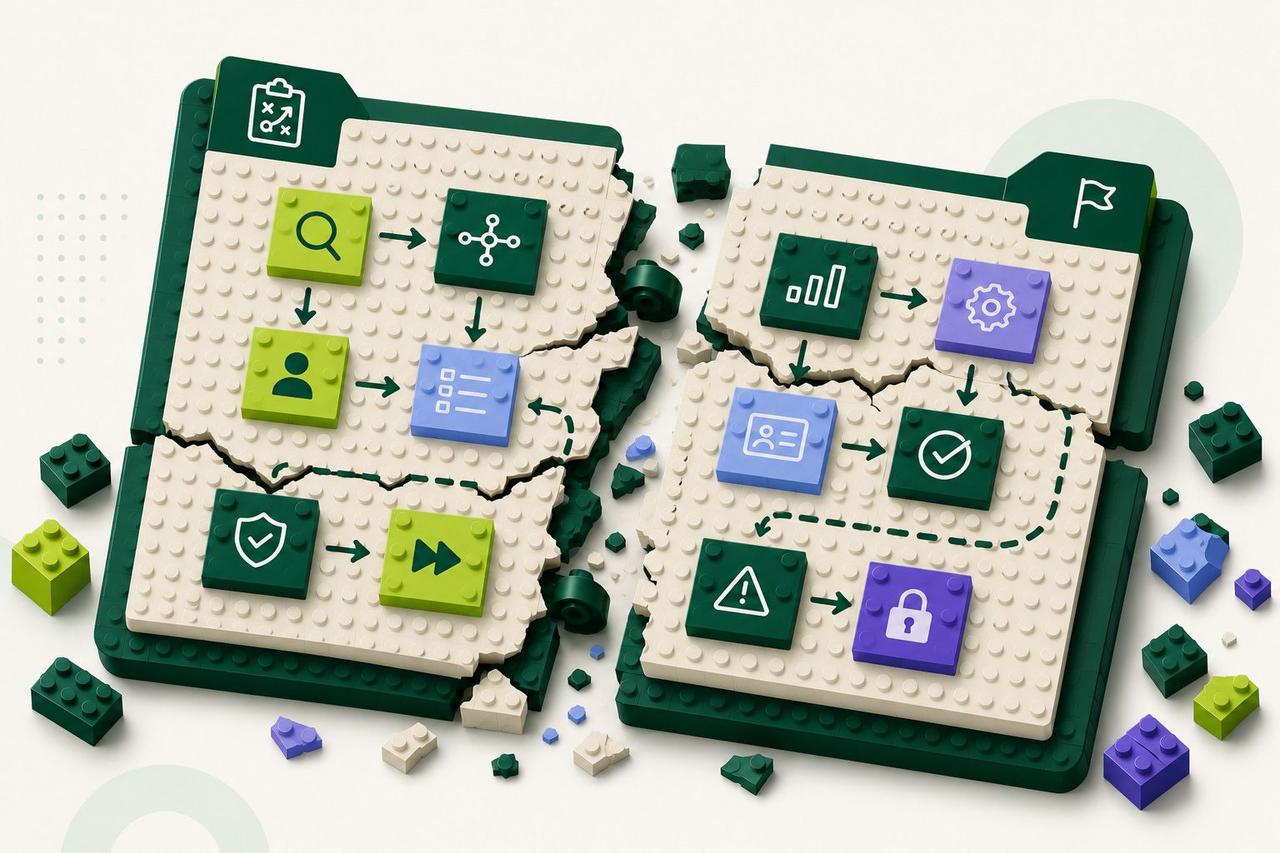
Sine argues that without one, the agent economy will fragment into closed, proprietary platforms and become easy prey for fraud
2
. The service, he says, would let a business check who operates an agent, whether the software matches what was registered, and whether its ownership or code has changed since2
. His examples: a travel bot should confirm it is talking to a real airline booking system, and a shopping agent should verify the merchant and payment provider before it buys2
.He also warns of a risk beyond obvious fraud. A supplier could acquire a company's procurement agent, keep the software and domain name, and quietly nudge it toward its own products, with the customer none the wiser
2
. Sine acknowledges that some companies are already wiring agents together, especially in payments and logistics, but says cooperation inside a few commercial ecosystems is not the same as a global open standard2
.The registrar problem
The obvious question is who benefits, and the op-ed answers it itself: GoDaddy, a domain registrar, built the service and says so in the piece
1
. The New Stack has noted that the service leans on the domain name system's old trust model and that the registrars promoting it most aggressively are the ones that stand to profit1
.That tension is the story. A way of verifying agents may be genuinely needed if agents are going to act for us online. Handing the proposed standard to the Linux Foundation is the usual move for neutralizing a conflicted sponsor. But the argument comes from the company that would sell the identities, and its early critic has already said so out loud. The service exists on paper and has named backers; what it does not yet have is a single business that has actually checked an agent against it.
Related Stories
References
Summarized by

Navi
[1]
Related Stories
AI Agents Force Enterprise Security Shift: Identity Management Becomes Critical Control Plane
29 Jul 2026•Technology

Who Owns AI Risk? CIOs Split as 81% Lack Full AI Agent Oversight, Dataiku Survey Finds
25 Sept 2026•Business and Economy

The Rise of AI Agents: A New Frontier in Cybersecurity and Identity Management
25 Sept 2025•Technology
Recent Highlights


Recent Highlights
Today's Top Stories











Don’t drown in AI news. We cut through the noise - filtering, ranking and summarizing the most important AI news, breakthroughs and research daily. Follow topics that matter to you and stay ahead.


