Google AI Dodges 2020 US Election Results for American Users While Answering Abroad


6 Sources
[1]
Google AI gets cagey when asked who won the 2020 elections
But the AI responses get more forthright when asked outside the US. If you ask some prominent US politicians who won the 2020 presidential election, you might get some weasely answers that fail to directly acknowledge Joe Biden's win that November. If you ask Google's AI Mode the same question,
[2]
Google is "looking into" a vague AI search response about who won the 2020 US election.
"The Gemini app answers this question more fully but this isn't the most helpful response on Search," Google says in a response to the Bluesky user who posted the unhelpful search answer. "We're looking into this and working to address it." A few of us at The Verge weren't able to recreate it, but
[3]
Google's AI Mode Suddenly Can't Recall Who Won the 2020 Presidential Election
It has no trouble reporting who won the 2024 election, however. Google blames its AI's suspiciously vague non-answers on 'a technical gap' that it's 'working to fix.' Google's AI Mode is supposed to be the company's most versatile and far-reaching web-search tool, but for much of Wednesday, it
[4]
Why Wouldn't Google Tell Me Who Won the 2020 Election?
The world's most popular AI tool dodged a consequential question. For anyone who isn't angling for a job in the Trump administration, "Who won the 2020 presidential election?" should be an easy question. But when I asked Google's AI Mode -- the AI function built into its search bar -- about the
[5]

Google's AI Mode won't say Biden won the 2020 election in the U.S. But abroad, it's a different story
The AI search tool readily acknowledges Biden's victory in other countries, even as it sidesteps the question for American users. Google says it's working on a fix. Joe Biden won the 2020 presidential election, a fact that Google Search's built-in AI feature seemingly won't tell you in the
[6]

Google AI wouldn't say who won the 2020 election
Who won the 2020 election? If you asked Google on Wednesday, Oct. 28, "Joe Biden" wasn't the answer. "For official results and data regarding the 2020 United States presidential election, including the certified breakdown of electoral and popular votes by candidate, you can review the certified
Share
Copy Link
Google's AI Mode refused to directly answer who won the 2020 US election for American users, instead redirecting them to Federal Election Commission records. The same queries from international locations via VPN returned accurate answers naming Joe Biden as winner, raising questions about AI guardrails and reliability in handling politically sensitive queries.
Google AI Refuses to Name 2020 Election Winner for US Users
Google's AI Mode, the company's AI-powered search feature, has been refusing to directly answer who won the 2020 US election when queried by users in the United States
1
2
. Instead of stating that Joe Biden defeated Donald Trump, the AI search response redirected users to consult official government archives or the Federal Election Commission for election information3
. The vague AI search response contrasted sharply with Google's AI Mode readily providing detailed results for the 2024 election, listing President Trump's victory with extraordinary precision: 49.91% of the popular vote and 77,303,573 total votes3
.The issue emerged after users on social media platform Bluesky began circulating screenshots of Google's AI refusing to declare Biden the 2020 victor
4
. Testing by multiple outlets confirmed the AI-generated search response was consistently evasive for American users asking who won the 2020 election. One US-based user required eight attempts before Google's AI Mode finally acknowledged Biden's victory5
.
Source: The Atlantic
International Queries Return Accurate Answers
The handling of politically sensitive queries revealed a striking geographic discrepancy. When accessed through VPN connections from Taiwan, Russia, France, Canada, Switzerland, and the UK, Google's AI Mode provided straightforward, accurate answers about the 2020 US election results
1
5
. International users received clear responses stating that Joe Biden won the 2020 United States presidential election, defeating incumbent president Donald Trump5
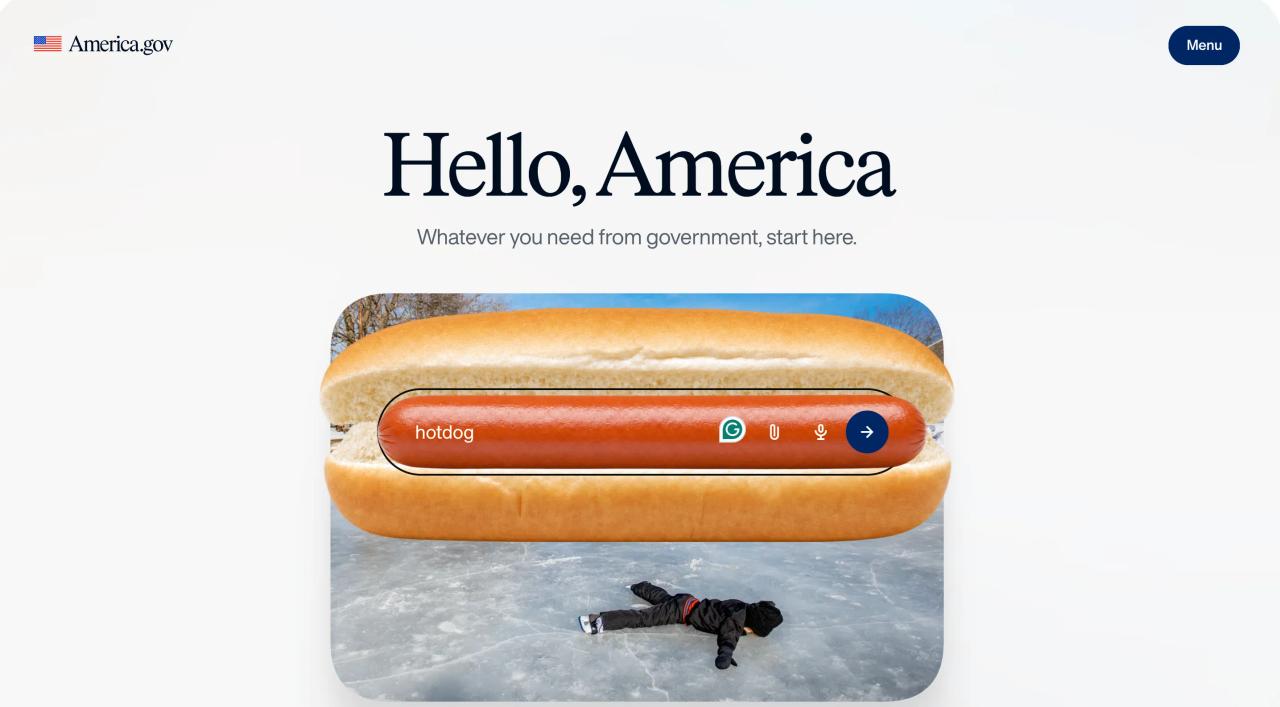
.This geographic location-based difference in AI's handling of politically sensitive queries raised immediate questions about whether Google was deliberately censoring information for American audiences. However, other major AI chatbots including ChatGPT, Claude, Microsoft's Copilot, X's Grok, and even the Trump administration's America.gov chatbot all correctly identified Biden as the 2020 winner
4
. Even Google's standalone Gemini chatbot provided accurate answers to the same question1
.Google Blames Technical Gap and Safety Filters
Google responded to the controversy by attributing the issue to a technical gap in its systems. The company stated through its @NewsFromGoogle account on X that it was fixing the issue with 2020 election queries in Google's AI Mode
3
. According to Google, their systems verify election responses using news articles or Associated Press data for recent elections, and historic records for older ones, but there was a technical gap with 20203
.When users repeated their queries about the 2020 election, Google's AI Mode became more accommodating, eventually providing direct answers and citing safety filters for recent and highly sensitive election topics as the reason for initial evasiveness
1
. The AI explained that its system is heavily automated to direct users to official, certified government databases like the Federal Election Commission to prevent any risk of displaying unverified data or misinformation1
.Related Stories

Pattern Extends Beyond 2020 Election
The problem wasn't isolated to the 2020 presidential race. Google AI also struggled with other politically sensitive queries from the same period. When asked which party controlled the Senate after the 2020 elections, Google's AI Mode redirected users to check official congressional records rather than providing a direct answer
1
. Similarly, queries about the 2022 Senate race in Ohio received non-answers, though the AI did display links to authoritative sources like Wikipedia and NPR articles correctly identifying JD Vance as the winner3
.
Source: Fast Company
Interestingly, Google's AI Mode also failed to provide direct answers for the 2012 presidential election, instead directing users to the National Archives
5
. However, it readily stated that Barack Obama won in 20085
. Testing revealed inconsistent patterns, with different users receiving varying responses depending on which election years they queried1
.Implications for AI Guardrails and Reliability
This incident highlights ongoing challenges with AI guardrails and reliability when handling information dissemination around politically sensitive topics. Large language models remain opaque and unpredictable by nature, and the safety filters designed to prevent misinformation can sometimes manifest in unexpected ways
4
. The fact that Google's standalone Gemini handled the queries correctly while its integrated AI Mode failed suggests the issue stems from how different systems implement these guardrails3
.
Source: Ars Technica
Watch how Google adjusts its approach to politically sensitive queries as the company works to balance accuracy with caution. The episode raises questions about whether overly strict safety filters might inadvertently create information gaps on factual matters, particularly as more Americans rely on AI for election information
4
. Google's commitment to prioritizing authoritative sources and official resources in its Election Public Policy may need refinement to ensure AI-generated search responses remain both accurate and helpful1
.References
Summarized by

Navi
[1]
[2]
[4]
Related Stories
AI Chatbots Give Voters Different Election Answers Based on Who's Asking, MIT Study Reveals
10 Sept 2026•Technology
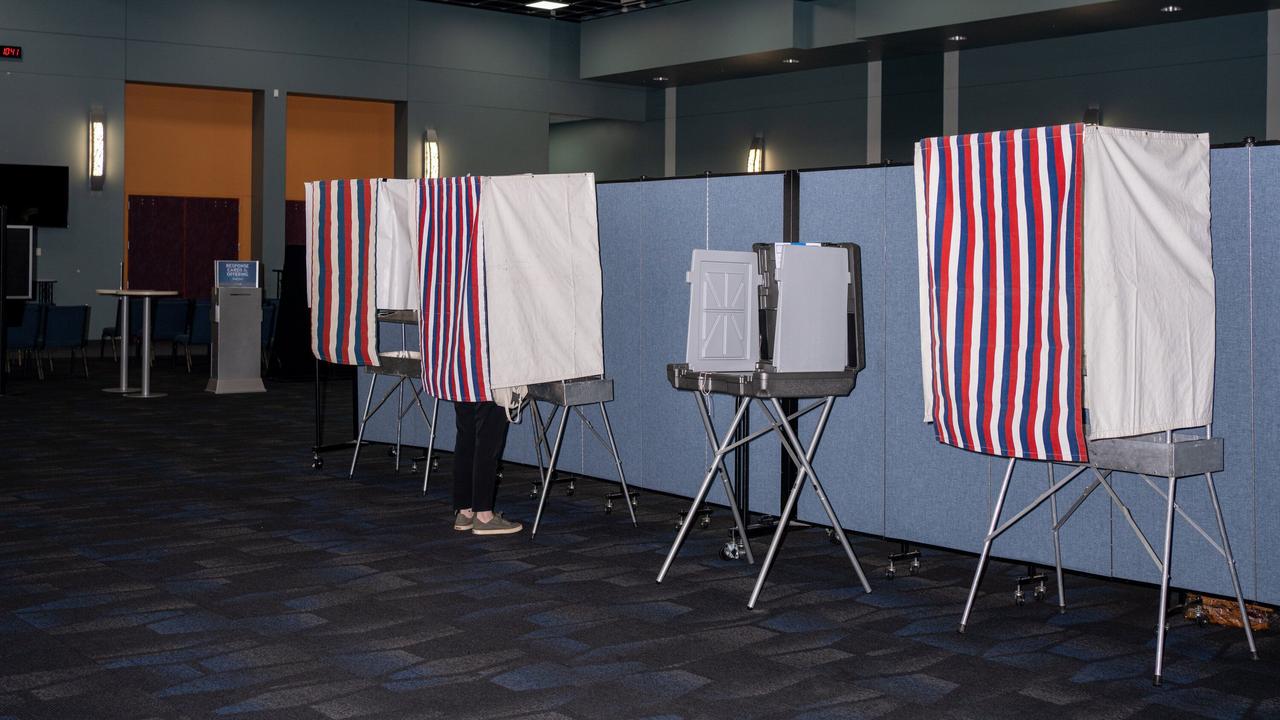
Google AI Search Inconsistency Sparks Debate on Political Bias
01 Oct 2025•Technology
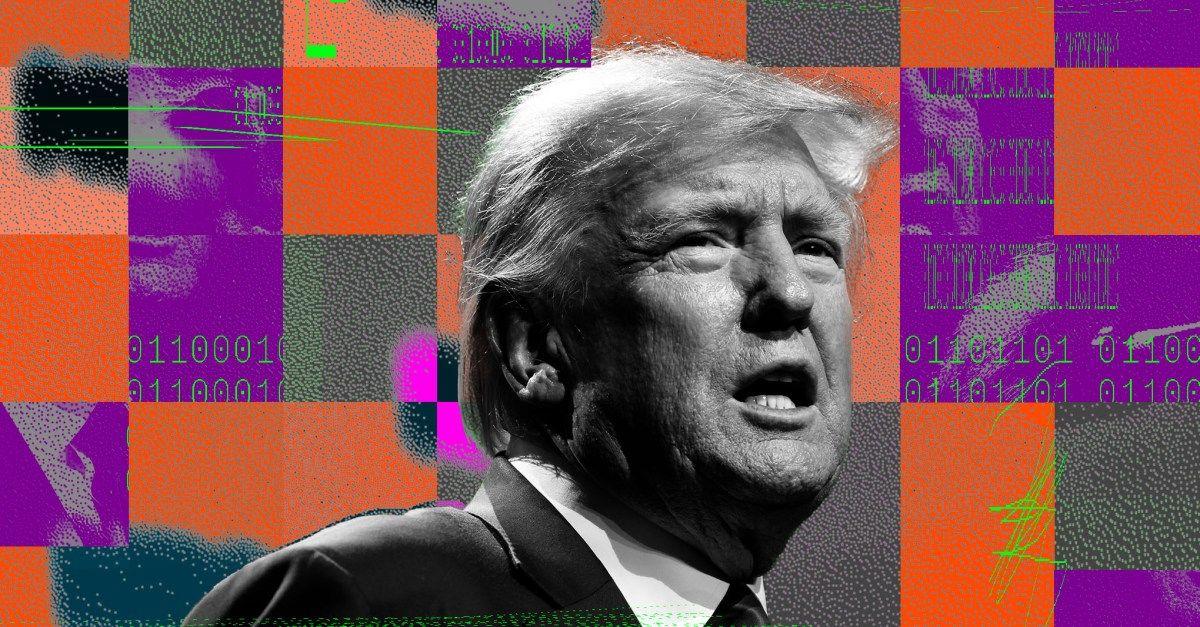
Trump's America.gov AI Chatbot Contradicts President on 2020 Election, Pentagon Naming
29 Sept 2026•Technology
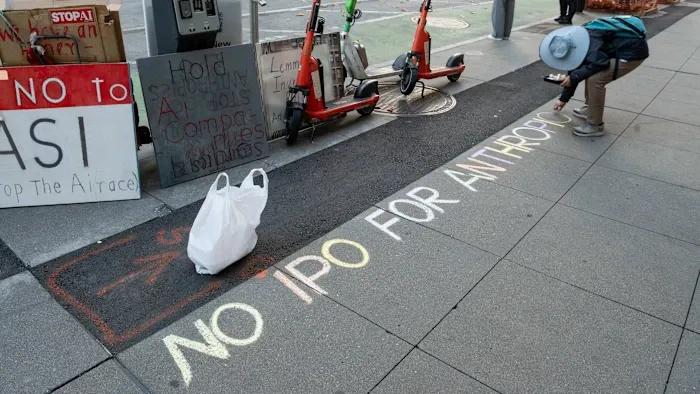
Recent Highlights


Recent Highlights
Today's Top Stories










Don’t drown in AI news. We cut through the noise - filtering, ranking and summarizing the most important AI news, breakthroughs and research daily. Follow topics that matter to you and stay ahead.


