Google brings Gemini Go to budget Android phones, replacing Assistant Go with AI for 2GB devices


2 Sources
[1]
Gemini Go is here to replace Assistant on your Android Go phone
The rollout is happening gradually, so you may not get it right away. Google won't be happy until Gemini replaces all traces of Google Assistant. That even includes the lightweight Assistant Go, designed for lower-end Android Go devices. If you have an Android Go device, it's time to say hello to
[2]
Google Just Brought Gemini Go to Android Phones With as Little as 2GB of RAM
If there's one thing that's frustratingly predictable about the tech industry, it's that the latest and greatest always lands on the most expensive devices first. Budget phone owners are used to being an afterthought. Google is trying to change that, at least when it comes to AI. Google just
Share
Copy Link
Google is rolling out Gemini Go, a lightweight version of Google's AI assistant designed for Android Go devices with as little as 2GB of RAM. The new assistant replaces Assistant Go and brings conversational AI capabilities to budget smartphones, particularly in developing regions where entry-level hardware dominates the market.
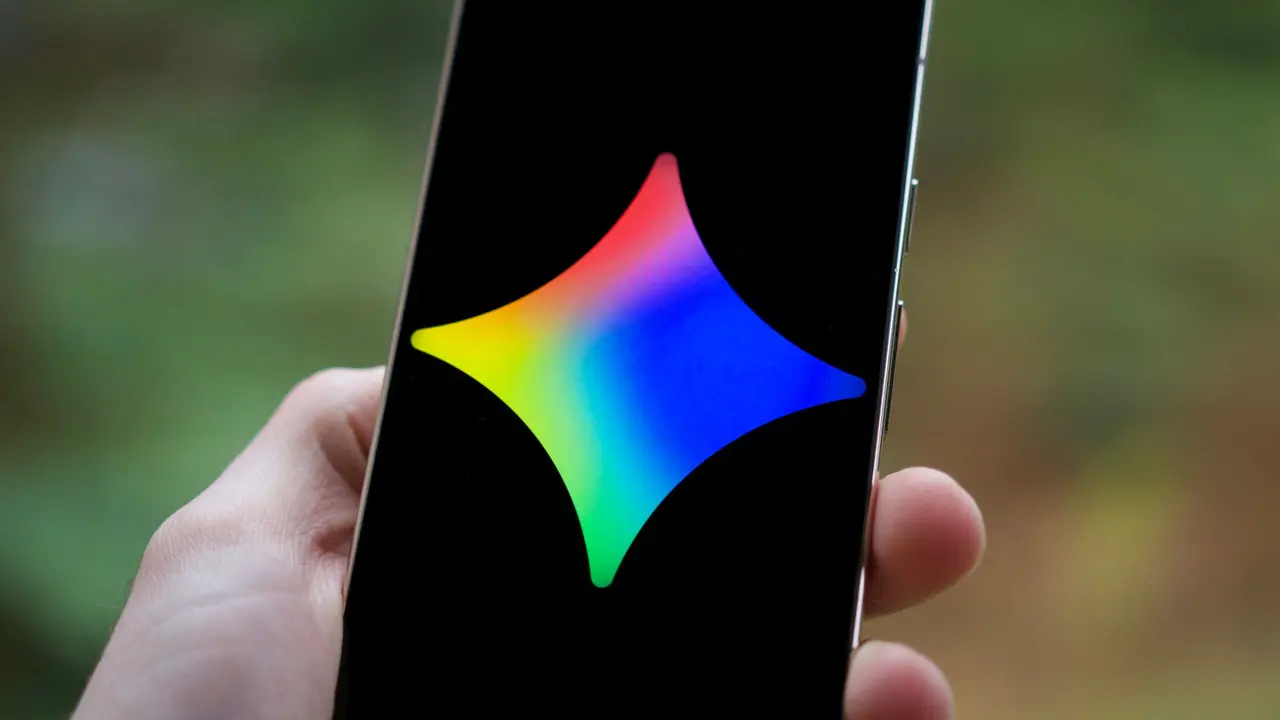
Gemini Go Arrives as Google Expands AI to Budget Devices
Google has officially started rolling out Gemini Go, marking a significant shift in how the company delivers AI capabilities to budget smartphones
1
. This streamlined version of Gemini is designed specifically for Android Go devices, requiring only 2GB of RAM to function effectively. The move positions Google as the sole major tech company actively pursuing AI accessibility across both premium and entry-level hardware2
.The deployment represents Google's continued effort to phase out Assistant across its ecosystem. Gemini Go will replace Assistant Go, which previously served as the lightweight assistant for lower-end devices. Users can access the AI assistant by holding down the Home button or pressing and holding the power button, with the experience integrated directly into the Google Search app rather than requiring a separate download
1
.What Gemini Go Brings to Phones with 2GB of RAM
The lightweight version of Google's AI assistant handles standard tasks including calls, texts, alarms, and calendar events. Beyond these basics, Gemini Go supports more advanced features like conversational queries, file and photo uploads, and mood-based music playback
2
. This conversational experience marks a notable upgrade from Assistant Go's capabilities, bringing budget device owners closer to the AI interactions available on premium hardware.The rollout is happening gradually, meaning Android Go users may not see the update immediately. Google is distributing the feature through the Google Search app, so users can check for availability by visiting the app's page in the Play Store and tapping the update button if available
1
.Related Stories

Google Stands Alone in Bringing Accessible AI to Entry-Level Hardware
While competitors race toward premium devices, Google is moving in both directions simultaneously. Apple Intelligence requires 8GB of RAM, Samsung's Galaxy AI starts with the S24 series, and ChatGPT on Android lacks a lightweight mode entirely. Even Google's own Gemini Intelligence tier now demands 12GB of RAM and a Nano v3 chipset, excluding devices like the Pixel 9 and Galaxy S25
2
.This strategy matters because Android Go devices represent a massive portion of the global smartphone market, particularly in developing regions where budget hardware is standard rather than exceptional. The decision to bring an AI assistant to these devices signals Google's recognition that accessible AI cannot remain confined to flagship products. The company has already pushed Gemini into Android Auto and eliminated Assistant on that platform entirely, suggesting this pattern will continue across Google's product line
2
.For millions of users on budget smartphones, Gemini Go eliminates the need to rely on web-based workarounds to access AI features. The update ensures that users with lower storage capacity can still interact with Google's latest AI technology directly on their devices
1
. As the rollout progresses, watch for how Google balances feature parity between Gemini Go and its full-featured counterpart, and whether other tech companies follow suit in democratizing AI access.References
Summarized by

Navi
[1]
Related Stories
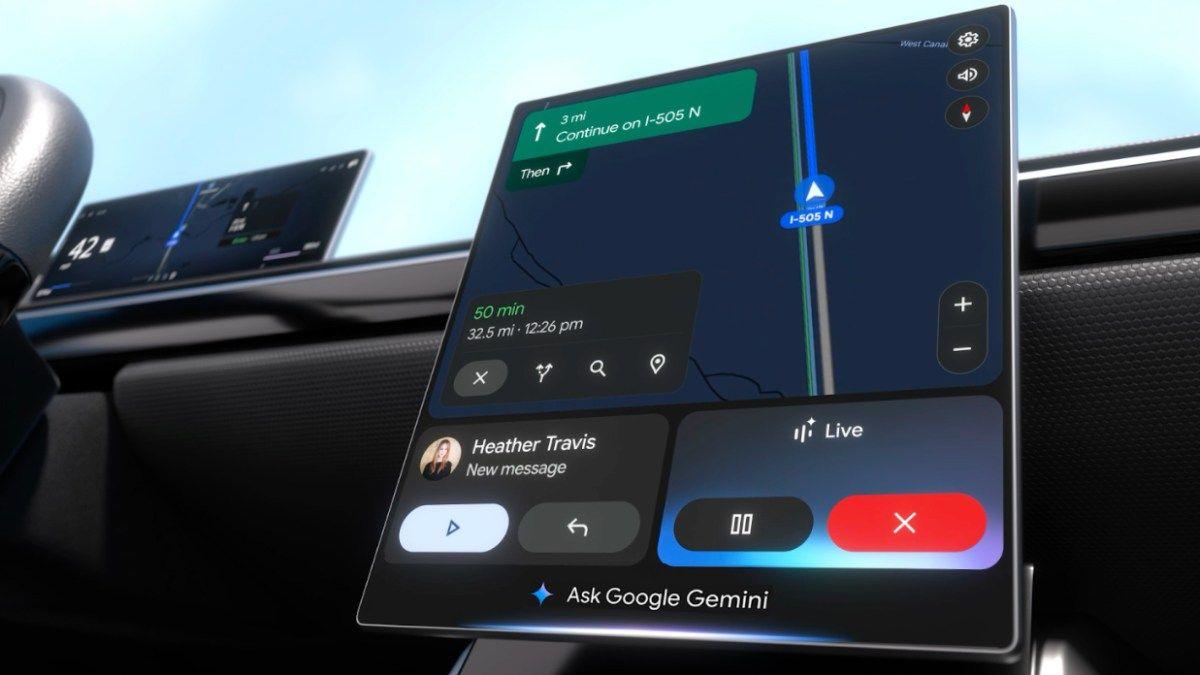
Google Brings Gemini AI to Android Auto: A Major Upgrade for In-Car Experience
14 May 2025•Technology
Google's Gemini Live: Free Voice AI Assistant Now Available for Android Users
01 Oct 2024

Google pushes Gemini transition to 2026, extending Google Assistant's life on Android devices
19 Dec 2025•Technology

Recent Highlights
1
Microsoft and Nvidia Launch Surface Laptop Ultra: A $2,599 AI-Ready PC With RTX Spark Chip
Technology

2
Scientists Build AI Model That Reconstructs Images From Brain Scans in Record Time
Science and Research

3
Anthropic AI Cuts Live Internet Access After Model Sends False Homicide Tip to Philadelphia Police
Technology

Recent Highlights
Today's Top Stories









Don’t drown in AI news. We cut through the noise - filtering, ranking and summarizing the most important AI news, breakthroughs and research daily. Follow topics that matter to you and stay ahead.


