Google Chrome to Introduce AI-Powered Automated Password Change Feature


5 Sources
[1]
Google Chrome might soon use AI to make you a better password
Chrome already generates and stores passwords, plus checks databases for compromise passwords, and this would put those all together... using an algorithm... maybe? Google Chrome could be about to implement AI tools to identify passwords found in data breaches, as well as being able to generate
[2]
Google Chrome may soon use "AI" to detect leaked passwords and replace them
Google's Chrome browser might soon get a useful security upgrade: detecting passwords used in data breaches and then generating and storing a better replacement. Google says it's an "AI innovation," though exactly how is not clear. Noted software digger Leopeva64 on X (formerly Twitter), found a
[3]
Chrome may offer to automatically change your passwords compromised in data breaches
If adopted, it would be the latest part of Google's broader push to integrate AI across Chrome's features. As more aspects of our digital lives receive an AI overhaul, Google may be about to utilize the technology to better protect your online accounts. Once Google Chrome has identified that the
[4]
Chrome's AI-powered password change could be a game-changer - Phandroid
Data breaches happen. It's an unfortunate reality of using the internet, and even the most secure platforms aren't immune. When companies suffer a breach, user credentials often end up exposed. This ends up putting personal information at risk. That's why strong passwords are important. Google
[5]

Google Chrome's next AI feature will auto-fix your compromised passwords
I went a week without an adblocker to stop being such a hypocrite Summary Google is soon introducing AI to enhance its password manager in Chrome, automating password resets and suggesting new ones. The feature aims to simplify the process of detecting and resetting compromised credentials. The
Share
Copy Link
Google Chrome is testing a new AI-powered feature that automatically detects compromised passwords and offers to change them, potentially enhancing user security and streamlining password management.

Google Chrome's New AI-Powered Password Security Feature
Google is set to introduce a new AI-powered feature in Chrome that aims to enhance password security by automatically detecting and changing compromised passwords. This development, currently being tested in Chrome Canary, represents a significant step forward in browser-based security measures
1
.How the Feature Works
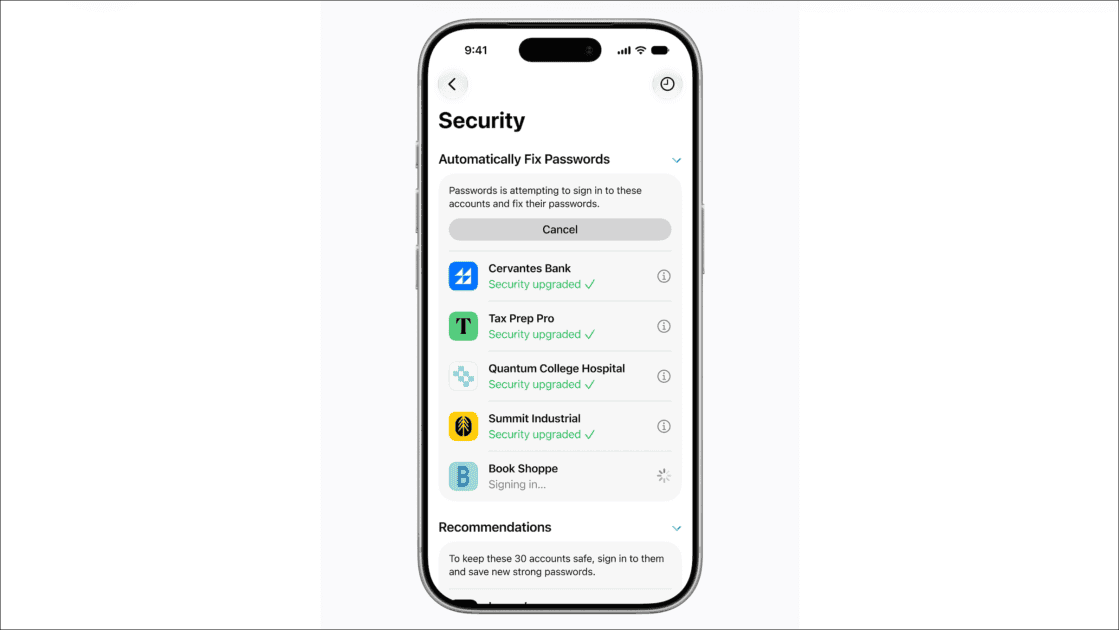
The new "Automated password change" feature, found in the AI settings of Chrome Canary, is designed to detect when a user's password has been compromised in a data breach. Upon detection, Chrome will offer to change the password automatically when the user signs in to the affected site
2
.AI Integration and Functionality
While Google labels this as an "AI innovation," the exact nature of the AI implementation remains unclear. The feature builds upon Chrome's existing capabilities, which include:
- Detecting passwords in leaked databases
- Warning users about compromised passwords
- Generating new, secure passwords
The AI component may involve more advanced scanning of leak sources or improved algorithms for password generation
2
.User Experience and Security
For users, this feature promises to streamline the often tedious process of updating compromised credentials. Instead of manually navigating to affected websites and resetting passwords, Chrome's AI can potentially handle this task automatically
3
.Broader AI Integration in Chrome
This feature is part of Google's broader push to integrate AI across Chrome's functionalities. Recent AI-powered additions to Chrome include:
- Automatic tab grouping
- Smart history search
- Enhanced password management
3
Related Stories



Potential Impact and Limitations
If implemented successfully, this feature could significantly improve user security by encouraging the use of stronger, unique passwords across different accounts. However, challenges remain in automating password changes across various websites with different reset procedures
4
.Current Status and Availability
The feature is currently being tested in Chrome Canary, an experimental version of the browser. Users of Canary can try it by enabling specific flags in the browser settings
5
.Industry Context
While Google presents this as an AI innovation, similar features have been implemented by password managers like Bitwarden and Nordpass. The integration of such functionality directly into Chrome, however, could make it more accessible to a broader user base
1
.References
Summarized by

Navi
[3]
[5]
Related Stories
Recent Highlights



Recent Highlights
Today's Top Stories







Don’t drown in AI news. We cut through the noise - filtering, ranking and summarizing the most important AI news, breakthroughs and research daily. Follow topics that matter to you and stay ahead.


