Google DeepMind's Lila Ibrahim Takes on AI Readiness Role to Shape Technology's Future Impact


2 Sources
[1]
Google DeepMind's Lila Ibrahim, world's top AI 'readiness' officer, on preparing for what's to come
* Lila Ibrahim has been with DeepMind since 2018 and recently shifted from the role of chief operating officer to her new "AI readiness" C-suite title. * The former Intel chip engineer and venture capitalist shared the ways she uses AI in her professional and personal life with CNBC's Julia
[2]
Google DeepMind's Lila Ibrahim on AI risks and benefits
She made the remark to CNBC's Julia Boorstin during a conversation on the "CNBC Changemakers" podcast. Ibrahim moved into the role earlier this year from her previous position as Google DeepMind's chief operating officer. The role, Ibrahim said, is not about DeepMind's internal readiness but about
Share
Copy Link
Lila Ibrahim transitioned from COO to Chief AI 'Readiness' Officer at Google DeepMind earlier this year. Her focus is preparing workers, schools, and communities for AI deployment across scientific research, education, and workplace productivity while ensuring people have agency in shaping how the technology impacts their lives.
Google DeepMind Creates First Chief AI 'Readiness' Officer Role
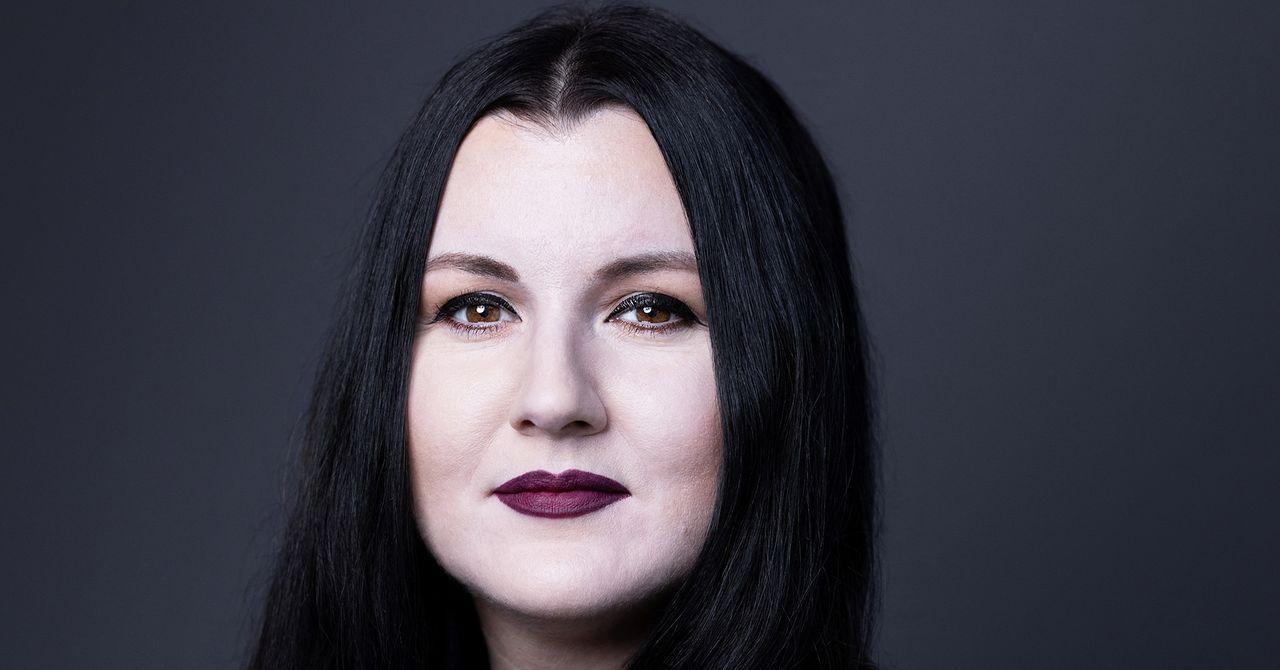
Lila Ibrahim may be the only person in the world with the title Chief AI 'Readiness' Officer, a position she took on earlier this year at Google DeepMind after nearly a decade as the company's COO. Ibrahim, who has been with DeepMind since 2018, told CNBC's Julia Boorstin that she wouldn't have accepted the role if she didn't believe AI risks and benefits would ultimately tip toward the positive. "I don't think I could do this job if I didn't believe that the benefits will outweigh the risks," she said during the CNBC Changemakers podcast
1
.The former Intel chip engineer and venture capitalist is now focused on whether workers, schools, and communities are prepared for what comes next as AI moves beyond the lab into everyday life. Her role isn't about DeepMind's internal AI readiness but about helping the rest of the world understand and adapt as societal changes driven by AI accelerate across scientific research, weather forecasting, education, and workplace productivity
2
.Shaping AI's Future Through Community Involvement
For Ibrahim, the critical question isn't whether AI will become more capable or exactly how it will evolve. The more important consideration is whether people have a say in AI deployment and how the technology is used. "While I might not know what it will do, I know that we still can - we have the agency to shape how we get there," she explained. But she emphasized that inclusive decision-making is essential: "You can't shape the right future unless you do so with the communities that it's going to impact"
1
2
.This philosophy extends to workers confronting headlines about AI-driven layoffs and automation. Ibrahim's advice for those facing uncertainty is straightforward: begin using the technology. "You have to start using AI yourself and create the time and space to do it," she said. "You don't have to be the smartest in the room"
1
.Practical AI Adoption at Google DeepMind
Ibrahim and her teams at Google DeepMind put responsible AI use into practice daily. She describes the "most transformational" AI use case for herself at work as briefing documents. "I went into engineering partly because I didn't want to have to read and write a lot, and the ability to be able to synthesize in a way that I can absorb information very quickly has been transformational, not only for me but the team that has to prepare that," she said. This efficiency allows her team to focus on higher-value work and big thinking rather than document preparation
1
.To drive AI adoption across her organization, Ibrahim asks all team members three questions: How are you using AI? What would help you use it more? Where are you not using AI? That third question identifies the human talent element that remains critical. "That's what we need to hire for; we need to reward. This is what we want to continue developing in our employees," she said, adding that this applies to herself as well. "AI can help automate all of my tasks, but it cannot automate my Tuesdays"
1
.Related Stories

Generational Preparedness and Education
With her two teenage daughters in mind, Ibrahim stresses that the AI learning process needs to start long before people enter the workforce. "They're going to inherit the technology we're developing, and yet they're not getting a voice in how this is being taught to them, how it's being integrated into their schools or into their life," she said. Ibrahim wants to see schools lean in more to work with teachers, who she believes should always lead students in exploring the boundaries of what makes sense with AI. Students need to "grow up more literate in what the technology is and isn't, and also what are responsible use cases for it"
1
.Reflecting on her professional path from graduate student in electrical engineering to designing Intel's Pentium processor and now to Google DeepMind and AI, Ibrahim acknowledges how much has already changed. Her focus on AI readiness represents a recognition that technological capability alone isn't enough—communities must have agency in shaping how AI transforms their lives, work, and education.
References
Summarized by

Navi
[1]
Related Stories
Google CEO Sundar Pichai Urges Embracing AI at Paris Summit, Highlighting Its Transformative Potential
11 Feb 2025•Technology

AI experts clash at Davos over when AGI will arrive and reshape the global economy
20 Jan 2026•Technology

OpenAI's New Applications CEO Outlines Vision for AI's Societal Impact
22 Jul 2025•Technology
Recent Highlights



Recent Highlights
Today's Top Stories



Don’t drown in AI news. We cut through the noise - filtering, ranking and summarizing the most important AI news, breakthroughs and research daily. Follow topics that matter to you and stay ahead.


