Google Gemini Expands Lock Screen Functionality, Enhancing Smart Home Control and Communication


3 Sources
[1]
Google Gemini's new lock screen setting has a hidden smart home benefit
Summary Gemini's functionality has expanded to allow control of smart home devices like lights and thermostats without needing to unlock your phone. This feature is enabled by toggling "Use Gemini without unlocking" in Gemini Settings, under the "Gemini on the lock screen" section. Devices with
[2]
Gemini's Android assistant just got a lot more useful when your phone is locked
Gemini's newest extension finally makes it a decent Google Assistant alternative Summary Google is rolling out a new Gemini setting that allows the AI to make calls and send texts while your phone is locked. This feature is not enabled by default and requires the user to manually turn it on in the
[3]
Google Gemini's new lock screen features make the AI even more useful -- here's what it can do
Google is making changes to Gemini that will make it much easier to use key features of your phone without having to unlock it first. Recently spotted by 9to5Google, it seems the ability to send messages or make calls from the lock screen via Gemini has been slowly rolling out to users, after
Share
Copy Link
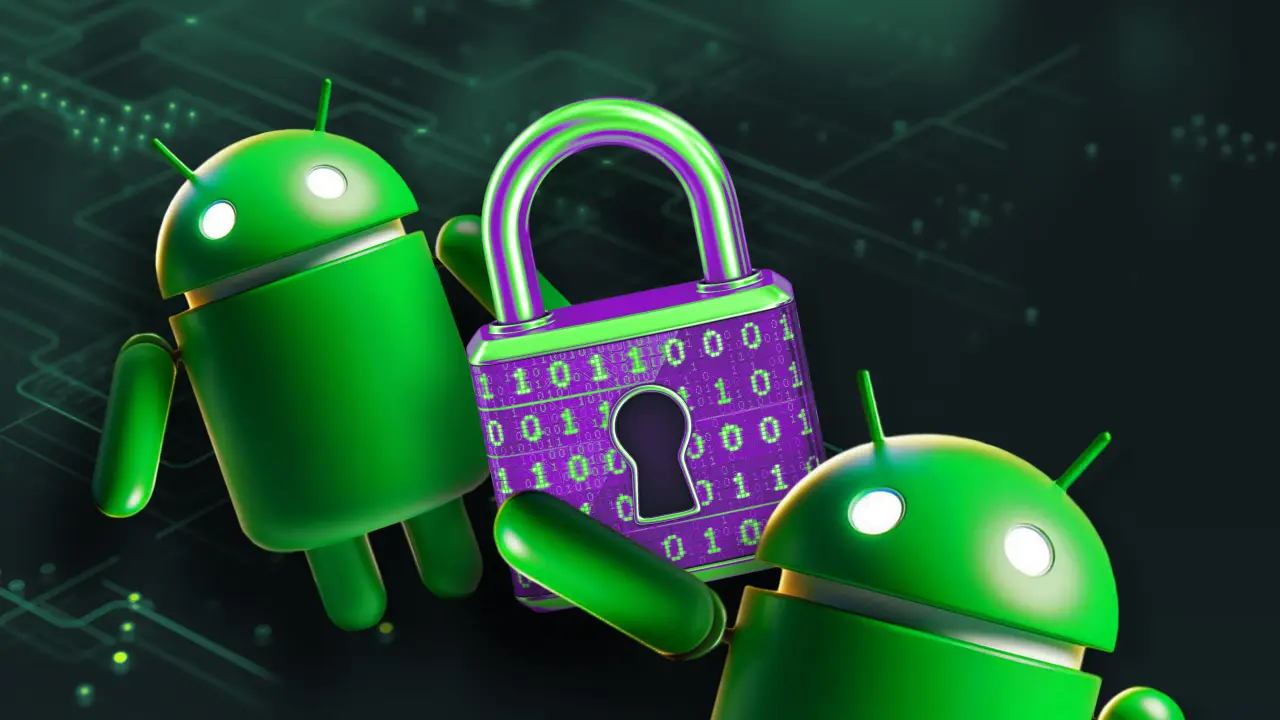
Google's AI assistant, Gemini, now allows users to control smart home devices and send messages without unlocking their phones, marking a significant step in its evolution as a Google Assistant alternative.

Google Gemini Introduces Enhanced Lock Screen Capabilities
Google has rolled out a significant update to its AI assistant, Gemini, expanding its functionality on Android devices' lock screens. This update marks a crucial step in Gemini's evolution as a viable alternative to Google Assistant, addressing key usability concerns and enhancing user convenience
1
2
3
.Smart Home Control Without Unlocking
One of the most notable features of this update is the ability to control smart home devices directly from the lock screen. Users can now manage devices like smart lights and thermostats without the need to unlock their phones. This functionality is activated by enabling the "Use Gemini without unlocking" toggle in the Gemini Settings under the "Gemini on the lock screen" section
1
.However, Google has implemented privacy safeguards for sensitive devices. For instance, when users attempt to access smart cameras through Gemini, the system will still require the phone to be unlocked, ensuring an additional layer of security for potentially sensitive information
1
.Expanded Communication Features
In addition to smart home control, Gemini now allows users to make phone calls and send text messages from the lock screen. This feature requires manual activation through a separate toggle in the Gemini app settings. Users need to navigate to Settings → Gemini on lock screen, and enable the "Make calls and send messages without unlocking" option
2
3
.To utilize these communication features, users must also ensure that the Messages and Phone extensions are enabled within the Gemini app. These extensions are typically activated by default but can be manually toggled if necessary
2
.User Experience and Convenience
The new lock screen capabilities significantly enhance Gemini's utility, particularly in situations where users may have limited ability to physically interact with their devices. For example, in cold weather scenarios, users can now make calls or control smart home devices without removing gloves to unlock their phones
3
.Related Stories


Gradual Rollout and Availability
Google is implementing these features through a phased rollout. Users are advised to update to version 15.50+ of the Google app to access these new functionalities. If the options are not immediately visible, force-stopping the Gemini app and restarting it may resolve the issue
2
3
.Implications for Google's AI Strategy
This update represents a significant step in Google's efforts to position Gemini as a comprehensive AI assistant. By addressing key usability concerns and expanding its capabilities, Google is clearly aiming to make Gemini a more integral part of users' daily digital interactions. The company's ambitious plans for Gemini, including the recent introduction of Gemini 2.0 and the promise of new AI agents, underscore its commitment to advancing AI technology in consumer applications
3
.References
Summarized by

Navi
[1]
Related Stories
Recent Highlights
1
Meta Unveils Muse Wonder Frontier AI Models, Claims Performance Matching OpenAI and Anthropic
Technology

2
IMF Report Warns AI Market Correction Could Spark Global Financial Crisis With $1.4T at Risk
Business and Economy

3
OpenAI Releases 722 AI-Generated Math Solutions, Triggering Existential Crisis in Mathematics
Technology

Recent Highlights
Today's Top Stories





Don’t drown in AI news. We cut through the noise - filtering, ranking and summarizing the most important AI news, breakthroughs and research daily. Follow topics that matter to you and stay ahead.


