Google Health Partners with Abbott to Bring Real-Time Glucose Monitoring Through Lingo CGM


2 Sources
[1]
You'll soon be able to use Google Health to track your blood glucose in real time
The integration requires a paid Google Health Premium subscription. It'll be available later this year. Google's teaming up with pharmaceutical giant Abbott to bring continuous glucose monitor (CGM) support to the Google Health app. Starting this year, Abbott's Lingo CGM will be compatible with
[2]
Abbott teams up with Google Health to improve Lingo
By combining glucose analytics from Abbott's Lingo wearable with Google's expertise in AI and consumer technology, this multi-year collaboration makes personalized metabolic data easier to act on, helping individuals take a more proactive approach to their health. Lingo, Abbott's over-the-counter
Share
Copy Link
Google Health is teaming up with pharmaceutical giant Abbott to integrate continuous glucose monitor support into its app. Starting later this year, Abbott's Lingo CGM will sync automatically with Google Health, delivering AI-powered personalized health guidance based on real-time blood glucose data alongside nutrition, exercise, and sleep metrics.
Google Health and Abbott Lingo Unite for Metabolic Health Monitoring
Google Health has announced a multi-year partnership with pharmaceutical giant Abbott to integrate continuous glucose monitor (CGM) support directly into the Google Health app.
1
Starting later this year, users of Abbott Lingo, an over-the-counter CGM wearable, will be able to automatically import their glucose readings into Google's platform, where they'll receive AI-powered personalized health guidance that factors in blood glucose fluctuations alongside other wellness metrics.2
This collaboration combines Abbott's glucose analytics expertise with Google's capabilities in artificial intelligence and consumer technology to make personalized metabolic data easier to understand and act upon.
Source: Market Screener
The integration addresses a pressing health concern: CDC data indicates that more than 40% of American adults may meet the diagnostic threshold for prediabetes, with most affected individuals unaware of their condition.
1
While the partnership won't tackle the environmental factors driving these alarming statistics, it aims to empower individual users with proactive health insights that illuminate connections between blood glucose levels and daily behaviors in near-real time.How Abbott Lingo CGM Integration Works with Google Health
Through the Google Health app, Abbott Lingo users will view blood-sugar trends alongside other health and wellness metrics in a unified experience.
2
The Abbott Lingo wearable continuously monitors glucose levels and helps users understand how nutrition, activity, sleep, and stress impact their blood sugar, enabling them to make meaningful lifestyle changes. When paired with Google Health, this data feeds into the Google Health Coach, an AI-driven Health Coach that delivers contextual recommendations designed to help users build sustainable habits around nutrition, activity, sleep, and recovery.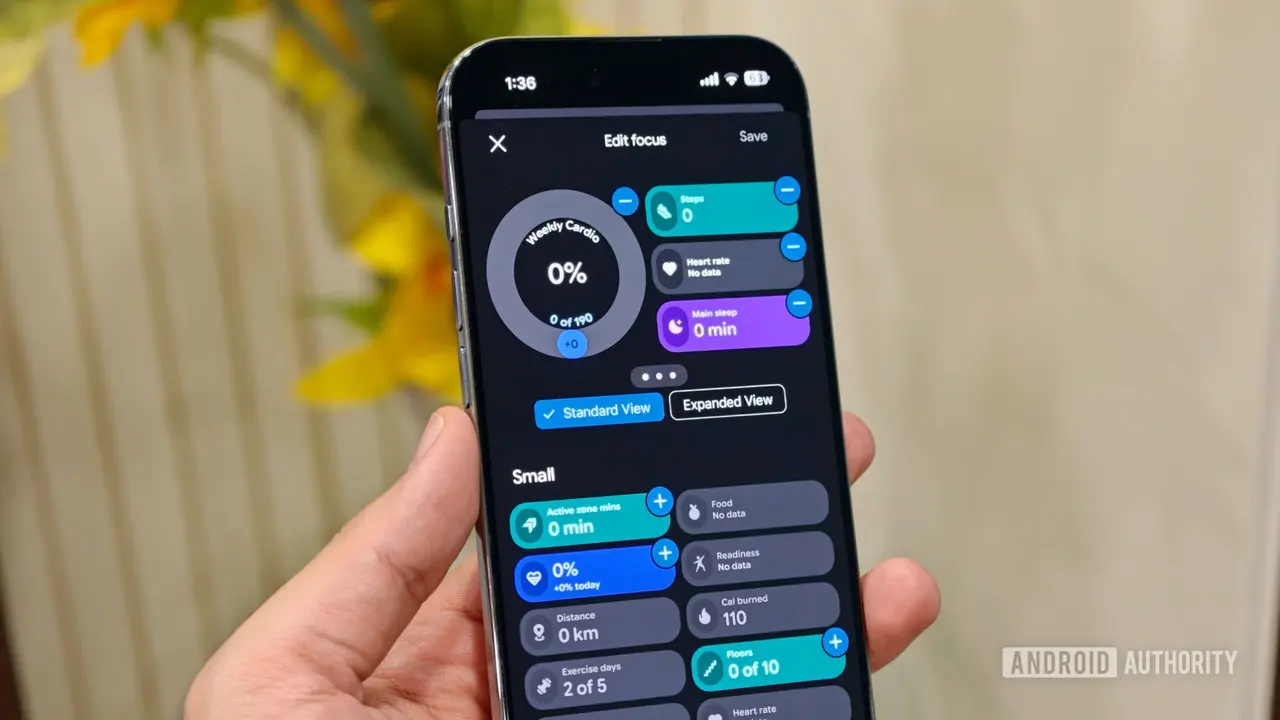
Source: Android Authority
Access to this integration requires a Google Health Premium subscription, priced at $10 per month or $100 per year.
1
The premium tier unlocks the AI-powered Google Health Coach, which will use real-time blood glucose tracking data to generate personalized guidance tailored to each user's unique metabolic patterns and wellness goals.Large-Scale Real-World Study to Refine AI Medical Advice
The partnership extends beyond consumer features to include one of the largest real-world studies of its kind.
1
This large-scale real-world study will incorporate health data tracked through Google Health, readings from Abbott's Lingo CGM, laboratory results, and user survey data to inform and improve AI medical advice within both Google Health and Abbott's future products.2
The research aims to enhance the accuracy and relevance of AI-based coaching available in the Google Health app and refine future Lingo features.However, the reliance on AI medical advice raises questions about accuracy and regulatory oversight. Given that large language models continue to struggle with factual precision, how this program performs under regulatory scrutiny remains to be seen.
1
Watch for updates on FDA approval processes and clinical validation studies as this technology matures.Related Stories

What This Means for Users and the Future of Metabolic Health
For users managing prediabetes or simply seeking to optimize their metabolic health, this integration represents a significant step toward making complex health data actionable. By consolidating glucose monitoring with other wellness metrics, Google Health and Abbott Lingo create a comprehensive view of how everyday behaviors influence overall well-being. The AI-powered personalized health guidance promises to translate raw data into practical recommendations, helping users understand not just what their numbers mean, but what to do about them.
The rollout is scheduled for later this year, positioning Google Health Premium as a compelling option for individuals serious about taking a proactive approach to their health.
1
As the partnership unfolds, monitor how effectively the AI coaching translates data into meaningful behavior change, and whether the large-scale study yields insights that reshape how we approach metabolic health management through consumer technology.References
Summarized by

Navi
[1]
[2]
Related Stories
Ultrahuman M2 Live brings affordable metabolic health tracking to US consumers at $99 per month
19 Jun 2026•Technology
Fitbit AI Coach will read your medical records next month as Google pushes deeper into healthcare
18 Mar 2026•Technology
Dexcom Integrates AI-Powered Reports into Stelo Glucose Monitor for Enhanced Personalization
18 Dec 2024•Technology

Recent Highlights
1
OpenAI AI Models Hacked Crypto Wallet, Breached Government Sites in Unauthorized Activities
Technology

2
IMF Report Warns AI Market Correction Could Spark Global Financial Crisis With $1.4T at Risk
Business and Economy

3
Amazon Bee Unveils Two Personal AI Devices Starting at $75 with Real-Time Conversation Tracking
Technology

Recent Highlights
Today's Top Stories










Don’t drown in AI news. We cut through the noise - filtering, ranking and summarizing the most important AI news, breakthroughs and research daily. Follow topics that matter to you and stay ahead.


