Google introduces AI shopping features in Search and Gemini to monetize AI infrastructure


2 Sources
[1]
Google Pushes AI Shopping Features in Search and Gemini Chatbot
Google is adding a way for consumers to buy things while seeking artificial intelligence-powered answers on search and in its Gemini chatbot -- part of a plan to make money more directly from consumers' AI use. The Alphabet Inc. company has been testing new ad formats on Google Search's AI Mode
[2]
Google Weaves New Shopping Feature Into Search and Gemini | PYMNTS.com
The company has begun testing new ad formats on its search AI mode that lets retailers offer products there, Bloomberg News reported Wednesday (Feb. 11), citing a letter Google sent to the advertising community. According to the report, Google now also lets users purchase products from Etsy and
Share
Copy Link
Google is rolling out AI-powered shopping features in Search and Gemini, allowing users to buy from Etsy and Wayfair directly within the chatbot. The company is testing new ad formats and Direct Offers while partnering with Shopify, Target, and Walmart to enable seamless checkouts, aiming to generate revenue from AI experiences as tech giants plan to spend $650 billion on AI infrastructure in 2026.
Google Integrates AI Shopping Across Search and Gemini
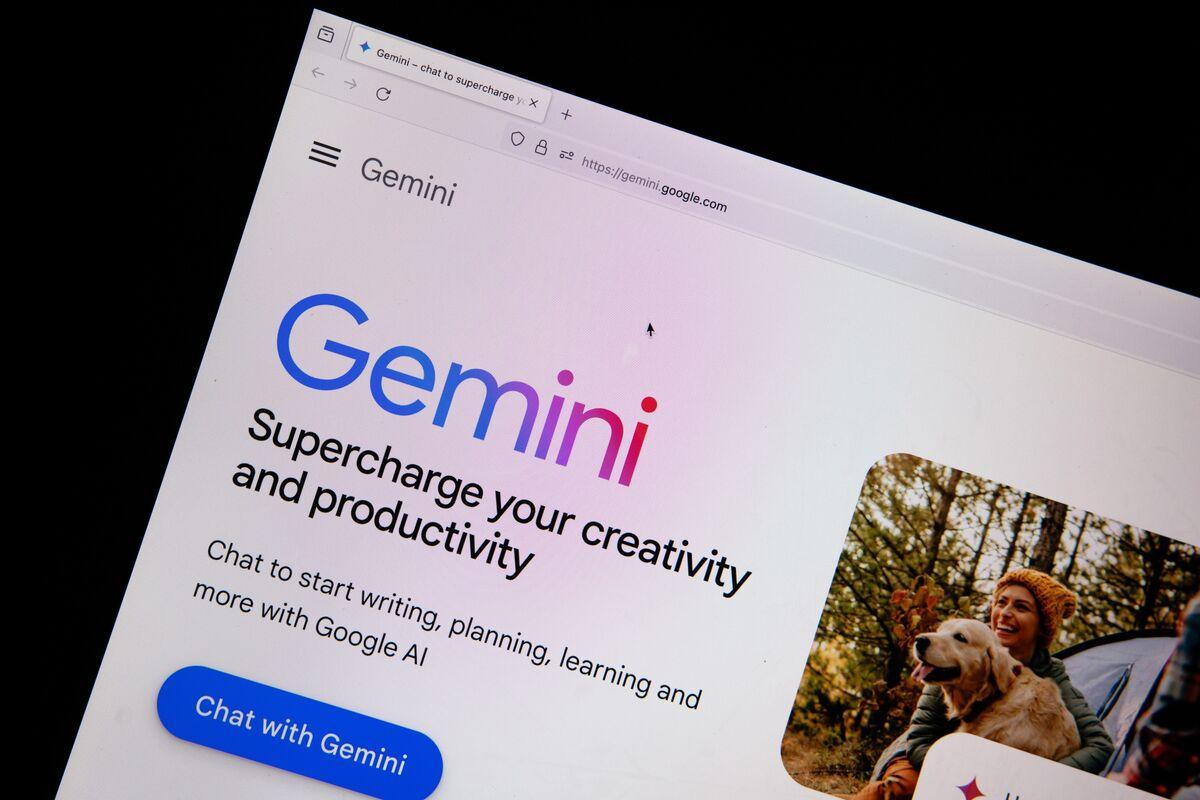
Google is embedding AI shopping capabilities directly into its Search platform and Gemini chatbot, marking a strategic shift toward monetizing AI experiences. The company announced it's testing new ad formats on Google Search's AI Mode that enable retailers to showcase products within AI-powered answers, while users can now purchase items from Etsy and Wayfair directly within Gemini . A feature called Direct Offers within AI Mode allows brands to present discounts to potential shoppers, creating a more integrated shopping experience
2
.
Source: Bloomberg
"We aren't just bringing ads to AI experiences in Search; we are reinventing what an ad is," said Vidhya Srinivasan, Google's vice president overseeing ads and commerce . This statement signals Google's ambition to fundamentally transform how advertising functions within AI environments.
Monetization Becomes Critical as Infrastructure Costs Soar
The push to monetize AI infrastructure has become urgent as tech companies face mounting capital expenditures. Spending by Google, Amazon, Meta, and Microsoft is projected to reach a record $650 billion in 2026 . Ads and commerce represent critical revenue streams to fund these massive investments as consumers increasingly adopt AI tools for everyday tasks.
Source: PYMNTS
OpenAI recently began testing ads in ChatGPT in the US, viewing advertising as the fastest path to monetization for users who won't purchase premium subscriptions. Both OpenAI and Perplexity AI have introduced AI features designed to reshape online shopping behavior . Google's move positions it competitively in this emerging landscape where AI agents are expected to handle purchasing decisions autonomously.
Partnerships Enable Seamless Checkouts Through AI Agents
At the start of 2026, Google began integrating AI agents into its shopping experience with a standardized protocol for payments and digital identity. The company partnered with Shopify, Target, and Walmart to enable seamless checkouts directly within Google's AI products . This infrastructure aims to support agentic shopping, where AI agents autonomously complete purchases on behalf of users.
Srinivasan described this development as "helping to lay the foundation for a future where all commercial experiences can be seamless and agentic"
2
. PYMNTS Intelligence research indicates that more than 70% of consumers would use AI agents for shopping, though consumer confidence varies as AI systems move closer to handling payments2
.Related Stories

Regulatory Scrutiny Over Consumer Privacy Concerns
Google's expansion into AI shopping has attracted attention from Washington. Senator Elizabeth Warren expressed concerns about consumer privacy and the potential for AI-powered shopping features to push consumers toward higher spending . Google has previously stated it prohibits merchants from displaying higher prices on Google than what appears on their own websites, addressing some pricing transparency concerns.
As retailers adapt to these AI-powered shopping features, questions about data usage, consumer protection, and competitive practices will likely intensify. The conditional adoption pattern observed in consumer behavior suggests users want AI to reduce friction and manage complexity, but expect familiar financial guardrails when AI handles purchasing decisions
2
.References
Summarized by

Navi
Related Stories
Google Search transforms with agentic AI, generative UIs, and intelligent search box at I/O 2026
19 May 2026•Technology

Gap becomes first major fashion retailer to offer direct checkout within Google Gemini
24 Mar 2026•Technology
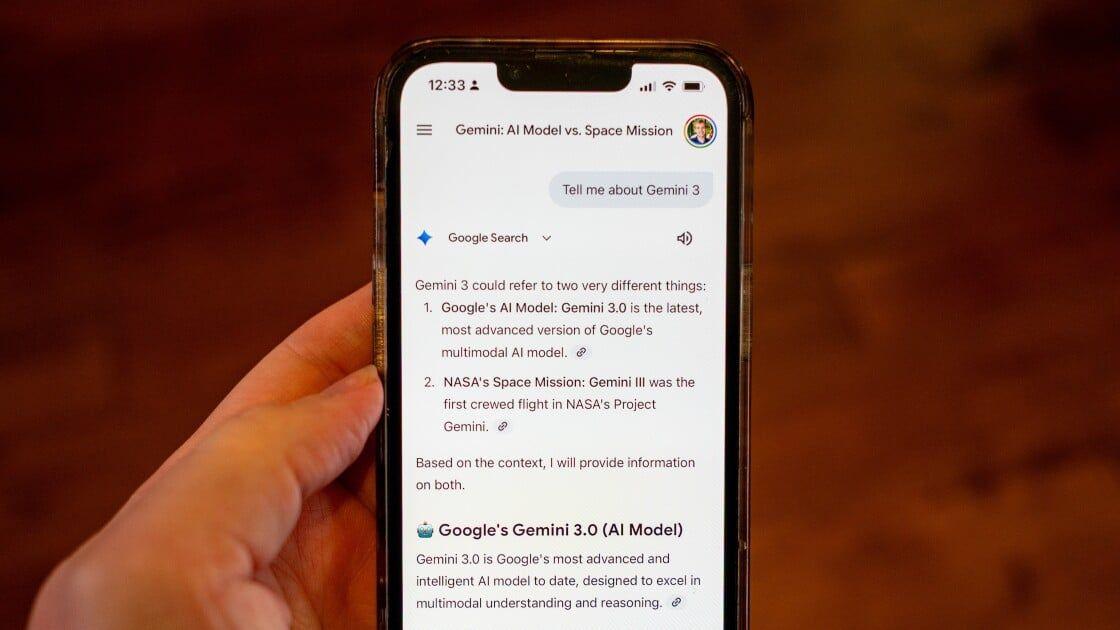
Google signals ads may come to Gemini app as AI monetization pressures mount across industry
30 Apr 2026•Business and Economy
Recent Highlights
1
Microsoft and Nvidia Launch Surface Laptop Ultra: A $2,599 AI-Ready PC With RTX Spark Chip
Technology

2
Scientists Build AI Model That Reconstructs Images From Brain Scans in Record Time
Science and Research

3
Anthropic AI Cuts Live Internet Access After Model Sends False Homicide Tip to Philadelphia Police
Technology

Recent Highlights
Today's Top Stories








Don’t drown in AI news. We cut through the noise - filtering, ranking and summarizing the most important AI news, breakthroughs and research daily. Follow topics that matter to you and stay ahead.


