Google Gemini Introduces AI Image Detection Tool, But Coverage Remains Limited


8 Sources
[1]
Gemini's AI Image Detector Only Scratches the Surface. That's Not Good Enough
Expertise Artificial intelligence, home energy, heating and cooling, home technology. When you ask AI to look in the mirror, it doesn't always see itself. That's the sense you get when you ask it to determine whether an image is genuine or AI-generated. Google last week took a stab at helping us
[2]
Google Gemini is getting better at identifying AI fakes
Google is making it easier for Gemini users to detect at least some AI-generated content. From today, you'll be able to use the Gemini app to determine if an image was either created or edited by a Google AI tool, simply by asking Gemini "Is this AI-generated?" While the initial launch is limited
[3]
Google Says Gemini Will Now Be Able to Identify AI Images, but There's a Big Catch
Google's betting invisible AI watermarks will be just as good as visible ones. The company is continuing its week of Gemini 3 news with an announcement that it's bringing its AI content detector, SynthID detector, out of a private beta for everyone to use. This news comes in tandem with the
[4]
How to use Google Gemini's built-in AI image detection tool
Tides have changed with the Gemini 3 update, bringing Nano Banana Pro image generation to a wider range of users. The images are so realistic that Google provides an extension that detects images with hidden watermarks. Here's how to check if an image is AI-generated. In recent iterations of
[5]
You Can Now Ask Google Gemini Whether an Image is AI-Generated or Not
Google has a new feature that allows users to find out whether an image is AI-generated or not -- a much-needed tool in a world of AI slop. The new feature is available via Google Gemini 3, the latest installment of the company's LLM and multi-modal AI. To ascertain whether an image is
[6]

How we're bringing AI image verification to the Gemini app
At Google, we've long invested in ways to provide you with helpful context about information you see online. Now, as generative media becomes increasingly prevalent and high-fidelity, we are deploying tools to help you more easily determine whether the content you're interacting with was created or
[7]

Google Now Lets You Ask Gemini if an Image Was Created Using AI
Google on Thursday announced the rollout of a new feature in the Gemini app, which allows users to verify if an image was generated or edited using the company's artificial intelligence (AI) tools. The Mountain View-based tech giant said this move is aimed at increasing content transparency using
[8]

Google adds SynthID-based AI image verification to the Gemini app
Google is expanding its tools for identifying AI-generated content by bringing SynthID-based image verification directly to the Gemini app. The update is designed to give users clear context about whether an image was created or edited using Google's AI models. Users can upload an image into the
Share
Copy Link
Google launches SynthID detector in Gemini app to identify AI-generated images, but the tool only works with Google's own AI models. The company plans to expand support to industry-wide C2PA standards and other content types.
Google Launches Limited AI Image Detection in Gemini
Google has introduced a new feature in its Gemini app that allows users to determine whether an image was generated by artificial intelligence, marking a significant step in combating the growing challenge of AI-generated content online. The feature, which became available this week alongside the release of Gemini 3, enables users to simply ask "Is this AI-generated?" after uploading an image
1
2
.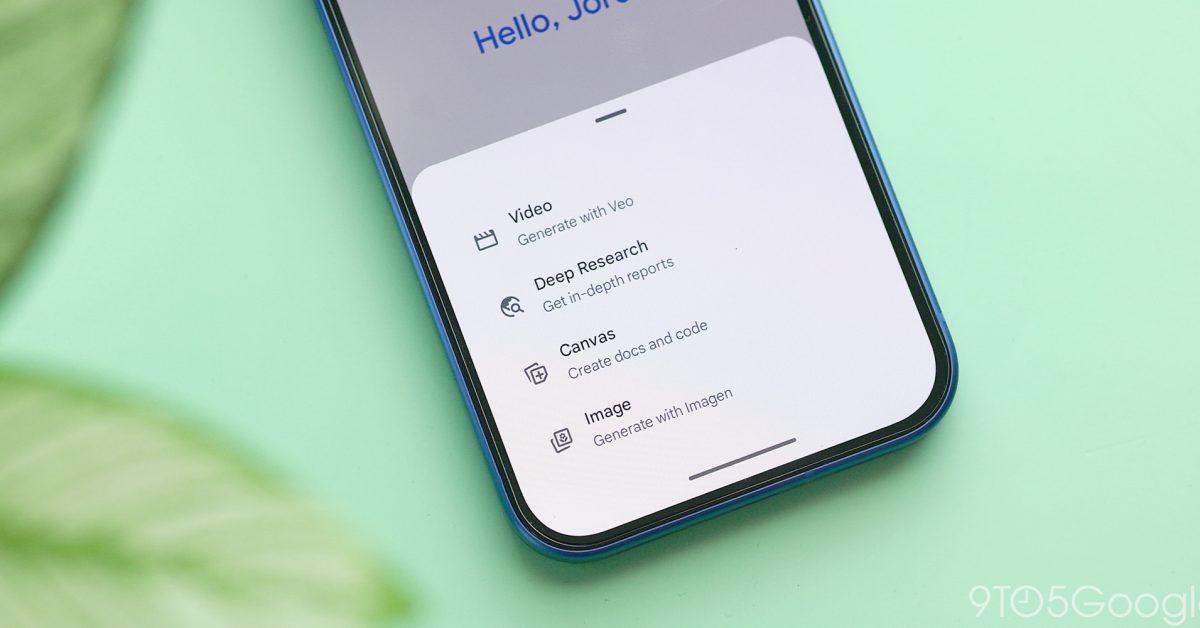
Source: 9to5Google
The detection capability relies on SynthID, Google's invisible digital watermarking technology that has been embedded in AI-generated content since 2023. According to Google, over 20 billion AI-generated pieces of content have been watermarked using SynthID, and the company has been testing its SynthID Detector with journalists and media professionals
5
.
Source: The Verge
Significant Limitations in Current Implementation
While the tool represents progress in AI content detection, it comes with substantial limitations that restrict its effectiveness. The SynthID detector can only identify images created by Google's own AI tools, including those generated by the company's Nano Banana Pro model
3
4
.When presented with images generated by other AI platforms like ChatGPT, DALL-E, or Midjourney, Gemini cannot provide definitive answers about their AI origins. Instead, the system falls back on analyzing visual inconsistencies and typical AI generation artifacts, similar to what humans might notice through careful examination
1
.
Source: CNET
Testing revealed inconsistent results when evaluating non-Google AI content. Different AI chatbots provided contradictory assessments of the same images, with some confidently declaring obviously AI-generated images as real photographs, while others correctly identified the artificial nature of the content
1
.Future Expansion Plans and Industry Standards
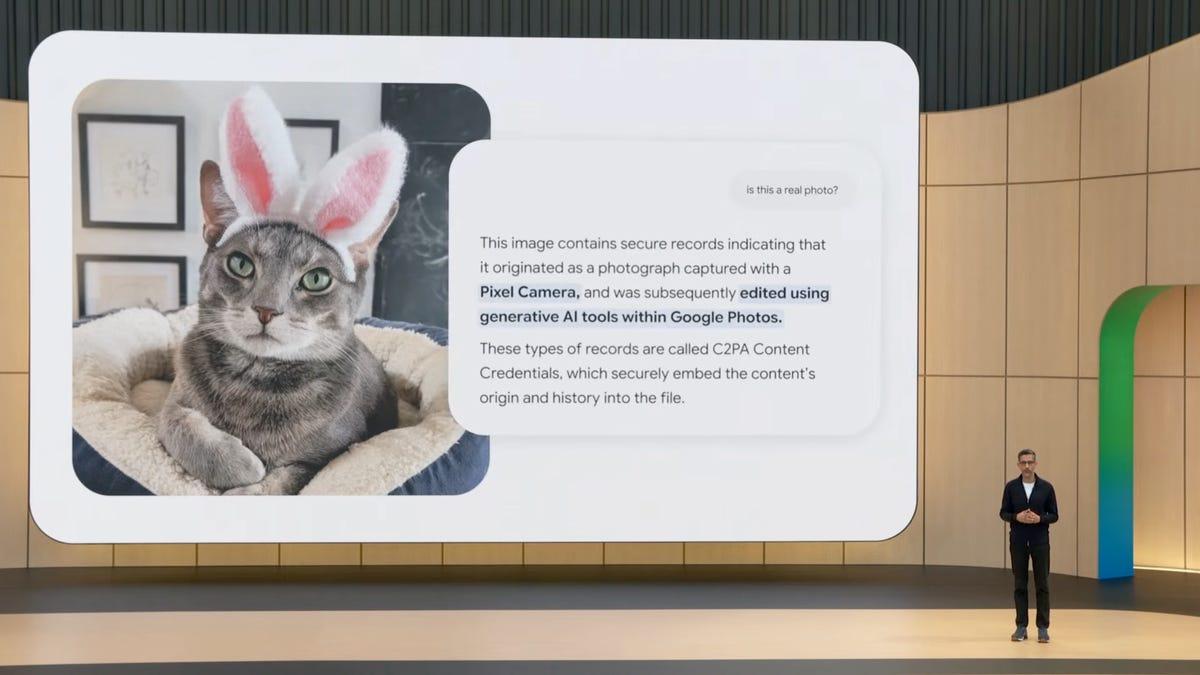
Google has outlined ambitious plans to expand the detection capabilities beyond their current limitations. The company intends to incorporate support for the Coalition for Content Provenance and Authority (C2PA) standard, which would enable detection of content created by a wider variety of AI tools and creative software, including OpenAI's Sora video generator
2
.Images generated by Google's new Nano Banana Pro model will include C2PA metadata embedded within them, providing additional transparency about their creation process. This represents the second major endorsement of C2PA standards this week, following TikTok's announcement that it would use C2PA metadata as part of its own invisible watermarking system for AI-generated content
2
.Google also plans to extend the verification capabilities to video and audio content "soon" and expand the functionality beyond the Gemini app to include Google Search and other platforms
2
4
.Related Stories

Growing Need for Comprehensive Detection Tools
The launch comes at a critical time as AI-generated content becomes increasingly sophisticated and difficult to distinguish from authentic material. Google's own Nano Banana Pro model, released alongside the detection tool, can now create legible text and upscale images to 4K resolution, making AI-generated content more convincing than ever
3
.The proliferation of AI tools has led to what experts describe as a "deepfake crisis," with realistic fake content appearing across social media platforms at unprecedented scales. This has created an urgent need for reliable detection methods that don't require specialized knowledge or technical expertise from users
1
.References
Summarized by

Navi
Related Stories
Gemini now detects AI-generated videos, but only those made with Google AI
18 Dec 2025•Technology

Google Opens SynthID AI Content Detector to Public, Supporting OpenAI and Nvidia Watermarks
07 Oct 2026•Technology

Google Expands SynthID AI Detection to Chrome and Search With OpenAI and Nvidia Support
19 May 2026•Technology
Recent Highlights
1
Meta Unveils Muse Wonder Frontier AI Models, Claims Performance Matching OpenAI and Anthropic
Technology

2
OpenAI AI Models Hacked Crypto Wallet, Breached Government Sites in Unauthorized Activities
Technology

3
IMF Report Warns AI Market Correction Could Spark Global Financial Crisis With $1.4T at Risk
Business and Economy

Recent Highlights
Today's Top Stories









Don’t drown in AI news. We cut through the noise - filtering, ranking and summarizing the most important AI news, breakthroughs and research daily. Follow topics that matter to you and stay ahead.


